








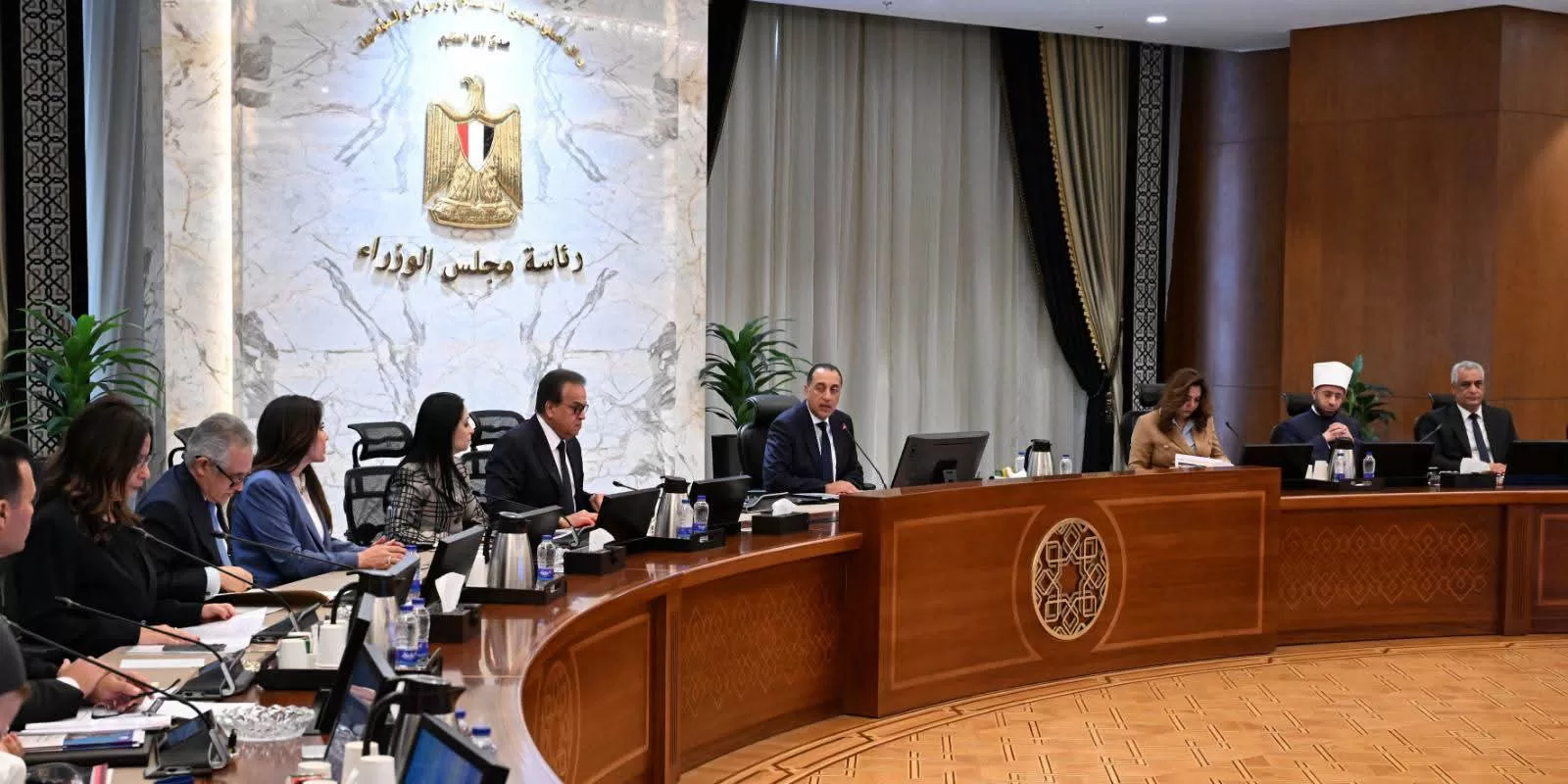
Prime Minister Moustafa Madbouli has unveiled that population issues remain a top priority on the government’s agenda, stressing the importance of coordinated executive plans with state agencies to regulate population indicators, improve demographic characteristics, strengthen data systems, and raise public awareness in support of sustainable development efforts.
The premier remarks came as he chaired the National Population Council meeting, where he underscored the importance of sustained awareness campaigns delivered through a structured approach to highlight the development challenges associated with uncontrolled population growth.
During the meeting, Minister of Health and Population, Khaled Abdel-Ghaffar, reviewed progress on implementing recommendations from previous meetings and presented the Urgent Plan of the National Population and Development Strategy, launched in January 2025 to accelerate population control efforts and unify national action.
He noted that the plan targets a fertility rate of 2.1 by 2027 and has contributed to improving key indicators, including reducing high-density “red zones” from 74 to 20, increasing governorates free of such zones from 3 to 13, and expanding “green zones” from 14 to 39.
He reported that the total fertility rate declined from 2.54 at the end of 2023 to 2.34 at the end of 2025, while the birth rate fell from 19.5 to 18.1 per thousand over the same period.
He also highlighted strengthened family planning services, workforce training, women’s economic empowerment initiatives, and digital platforms linking women to job opportunities.
Head of the Central Agency for Public Mobilisation and Statistics, Major General Akram el-Gohary, presented findings from the 2025 Egyptian Family Health Survey, covering around 42,633 households.
He noted improved indicators in fertility, family planning, maternal and child health, and women’s empowerment, with the fertility rate falling to 2.34 in 2025 compared to 2.85 in 2021.
Deputy Minister of Health and Population for Population and Family Development Affairs Abla El-Alfy outlined institutional development efforts, including digital transformation, regional councils, coordination committees, and expanded field campaigns, which contributed to improved female labour participation and reduced unemployment.
The meeting also reviewed efforts to address school dropout, child labour, and child marriage, alongside integrated population and development programmes.

