



As Muslims celebrate the beginning of the Hijri year 1448, they remember one of the most important events in Islamic history: the Hijra, or the migration of Prophet Muhammad from Mecca to Medina.
Beyond its literal meaning, the Hijra marked a major turning point for early Muslims and later became the starting point of the Islamic calendar.
Over the decades, Egyptian filmmakers have tried several times to make movies about the Hijra.
While they could not directly show the Prophet, some films focused on life in pre-Islamic times, the struggles of the early Muslims, and how Islam grew after the migration.
One of the most popular of these films is Zohoor Al-Islam, also known as Al-Waad Al-Haq (The True Promise).
Released in 1951, the movie was based on a story and script by the famous Egyptian writer TahaHussein.
It paints a picture of life in the Arabian Peninsula before Islam, a time when people worshipped idols and social injustice was widespread.
The film follows Yasser ibn Amer, a young man from Yemen who comes to Mecca looking for his lost brother.
There, he falls in love with Sumayya, a slave girl, and begins to question the idol worship around him.
This raises suspicions among the leaders of Qurayshtribe. The story then jumps 35 years forward, showing key events leading up to the rise of Islam, including the rebuilding of the Kaaba and the famous incident of the Black Stone, which Prophet Muhammad, known then as “The Trustworthy”, helped resolve peacefully.
The movie starred Kouka, Emad Hamdy, Ahmed Mazhar, Tawfik El-Deken, and Serag Mounir, and was directed by Ibrahim Ezz El-Din.
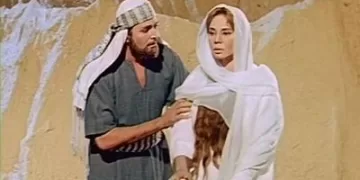
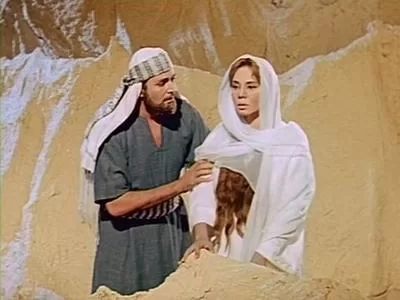
More than ten years later, in 1964, another film called Hegret Al-Rasoul (The Prophet’s Migration) was released.
It tells a fictional story set in Mecca before the start of the Islamic message. It follows characters like Sarah, a dancer who makes money from pagan pilgrims, and two slaves named Faris and Habibawho suffer cruelty.
As Islam begins to spread, Faris and Habiba become strong supporters of the new faith. The film starred Magda, Ihab Nafea, Hassan El Baroudy, and AdlyKasseb.
In 1971, director Salah Abu Seif released Fajr Al-Islam (Dawn of Islam).
The story of this film is set during the early days of Islam in the Arabian Peninsula, showing the clash between old tribal traditions and the new values brought by the religion.
It centres on a young man from a powerful tribe whose father is an important leader. After meeting some Muslims, he joins their movement, creating tension inside his tribe.
The cast included Mahmoud Morsi, Samiha Ayoub, Nagwa Ibrahim, Yehia Chahine, and Aida Abdel Aziz.
These films were made in different periods of Egyptian cinema, but they all aimed to highlight one of the most significant events in Islamic history.
Through storytelling, the filmmakers explored themes of religion; justice; freedom, and social reform.
As we welcome the new Hijri year this month, these classic movies remain treasures of Egyptian cinema.
They show how filmmakers found creative ways to present a pivotal moment in Islamic history on the big screen.

