








The ongoing efforts to restructure the National Investment Bank (NIB)and its affiliated companies, were at the core of a major meeting held on Monday.
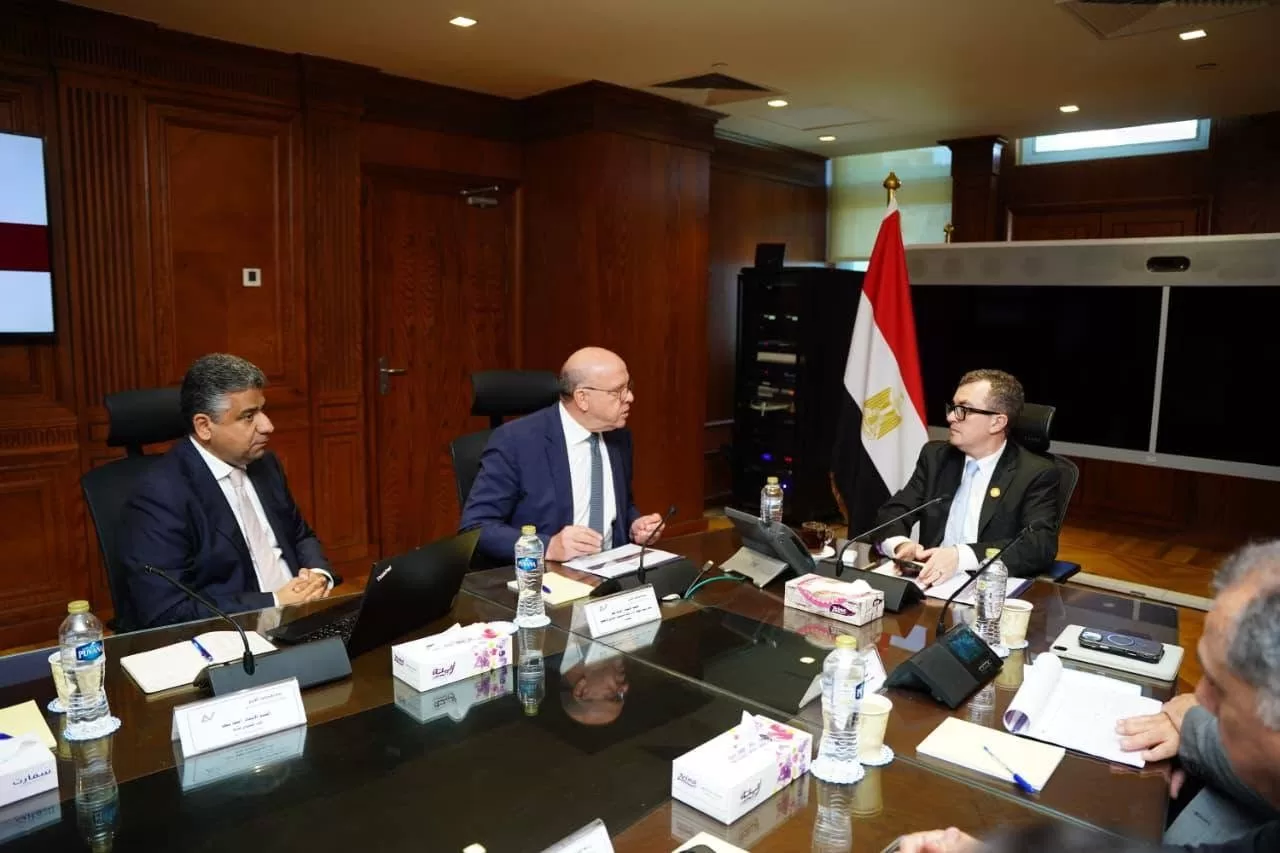
The meeting featured Minister of Planning and Economic Development, Ahmed Rustum, also Chairman of the NIB, NIB’s Vice Chairman and Managing Director Ashraf Negm, and Ahmed Saad, Chief Executive Officer of NI Consulting, a subsidiary of the NIB.
The discussions aimed at maximising the contribution of the bank and its subsidiaries to comprehensive development, increasing private-sector participation, and boosting strategic partnerships between the public and private sectors, according to a press release posted on the Cabinet Facebook page.
During the meeting, the officials reviewed the integrated range of services provided by NI Consulting, which was established in 2017 as one of the bank’s subsidiaries, and examined its diverse activities in the fields of technical and management consultancy.
Discussions focused on the company’s strategic transformation plan, particularly in the areas of strategic planning, business development and project management, as well as its targeted expansion into priority sectors including education and labour markets, healthcare, information technology, environment and sustainability, trade and logistics, food security, manufacturing and infrastructure.
NI Consulting and Project Structuring serves as a national centre of expertise capable of supporting investors, private-sector companies and government entities alike, Minister Rustum said said.
He also stressed the company’s growing role in providing specialised consultancy services, managing complex projects, building institutional capacity, analysing data and supporting organisational development.
Rustum reaffirmed the ministry’s commitment to maximising the potential of all companies affiliated with the NIB, enabling them to fulfil their role effectively within the framework of the state’s economic and social development plan.
These efforts would contribute to improving the efficiency of public investment and achieving a tangible structural transformation in the bank’s role as one of Egypt’s key investment and development institutions, he noted.

