



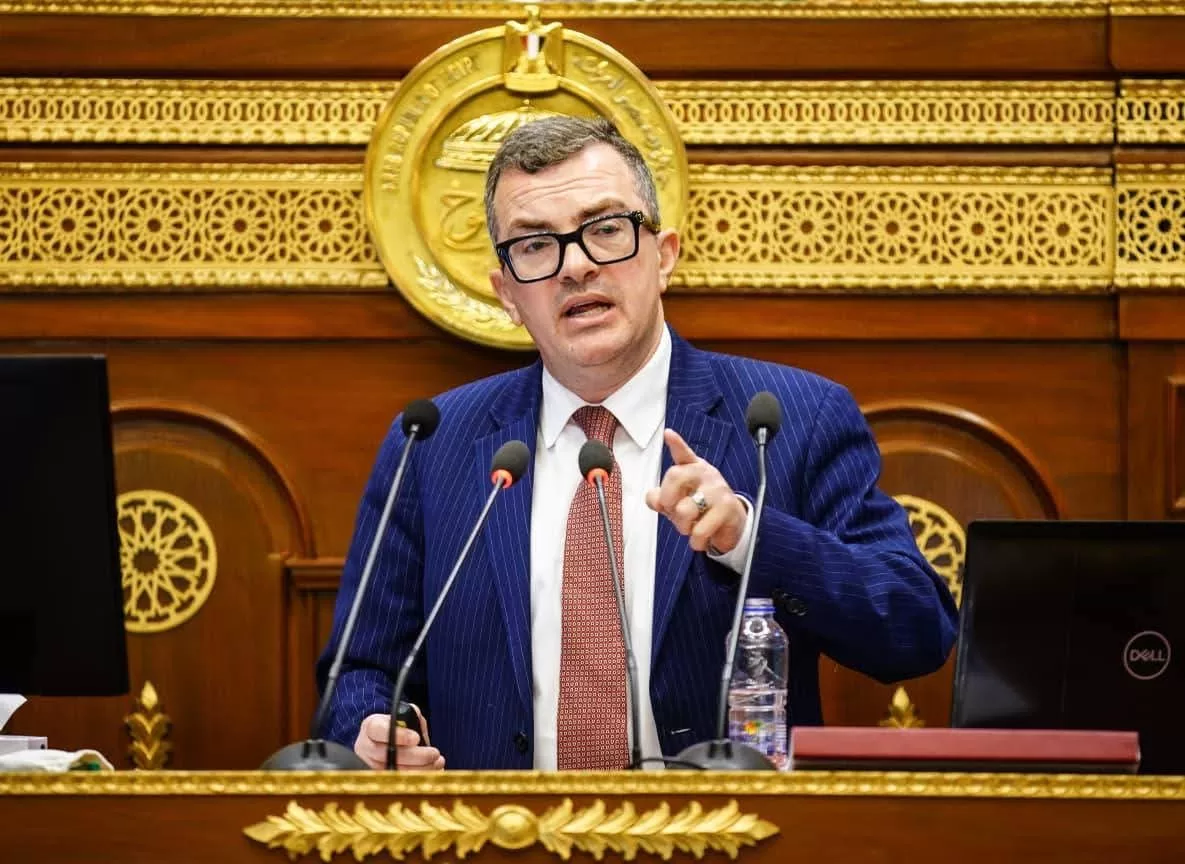
Egypt’s Minister of Planning and Economic Development, Ahmed Rustum, reviewed the key features of the country’s economic and social development plan for the 2026/27 fiscal year, as well as the framework of the medium-term development plan through to 2029/30, during a Senate plenary session chaired by Speaker Essam Eddin Farid.
Rustum said the plan reflects the state’s vision of placing citizens at the heart of the development process. He noted that its central theme is “Building the Human Being”, in line with President Abdel Fattah El Sisi’s directives to increase investment in education, healthcare, basic services and productive sectors.
He stressed that the presidential Hayah Karima (Decent Life) initiative remains a top priority, with efforts focused on completing its first phase and launching the second phase despite ongoing global and regional challenges affecting supply chains and fuelling inflation.
The government has chosen to expand investment in people as a key driver of development, the minister said, noting that the Egyptian economy has moved from a stage of absorbing shocks to one focused on sustainable growth and job creation.
Rustum explained that the plan seeks to strike a balance between supporting production and private-sector activity in industry, agriculture and communications, and strengthening social protection measures while ensuring a fair distribution of the gains of development. He said these efforts would be reflected in the construction of new schools and hospitals, the creation of job opportunities, and the implementation of development projects across the country.
According to the minister, the plan aims to improve citizens’ quality of life, boost productivity and economic growth, strengthen energy and food security, accelerate the rollout of the comprehensive health insurance system, and increase growth rates across various sectors.
He revealed that total targeted investments for the 2026/27 fiscal year are estimated at LE3.7 trillion, including LE1.5 trillion in public investments, representing 41 per cent of the total, and LE2.2 trillion in private investments, accounting for 59 per cent. The investment-to-GDP ratio is expected to reach around 17 per cent.
Rustum said measures to regulate public investment and rationalise spending have helped increase private-sector investment and strengthen its role in economic activity.
He also announced a 25 per cent increase in allocations for the health sector, an 11.5 per cent increase for pre-university and technical education, and an 11 per cent increase for higher education. Allocations for utilities, drinking water, sanitation and social housing will also rise by 22 per cent and 21 per cent, respectively.
The minister concluded by describing the draft plan as a roadmap for building a strong and sustainable economy that places citizens first and supports Egypt’s long-term development objectives.

