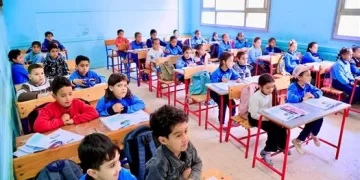




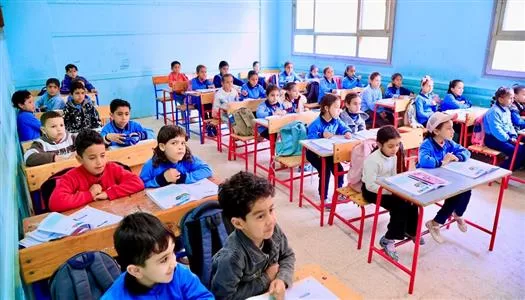
An overcrowded classroom packed with nearly 100 students, severe teacher shortages, low attendance rates and parents complaining about their children’s weak academic performance — this was the reality of Egypt’s public schools that the UNICEF documented in 2021 as one of the country’s greatest human development challenges.
Five years later, that picture appears to be changing.
A recent meeting between Prime Minister Moustafa Madbouli and Minister of Education Mohamed Abdel Latif reviewed a new study conducted by the Egyptian government in cooperation with UNICEF, indicating that Egypt’s education system is witnessing what officials described as a “real transformation” driven by accelerated reforms.
The study, presented during the “Forecasting the Future of Egypt in Education” conference, highlighted reforms aimed at reducing classroom overcrowding, addressing teacher shortages and encouraging students to return to school.
Among the most significant findings was the increase in school attendance rates from 15 percent to 87 percent, alongside a decline in average class sizes at the primary level from 63 students to 41 students within only three years.
“The continuation of efforts to develop and reform the education system is essential to preparing generations capable of keeping pace with the latest developments and labour market demands,” Madbouli said.
He stressed that the government considers education a cornerstone in building the Egyptian individual.
Yet literacy remained one of the system’s biggest challenges, particularly in the early years of education. In response, the Ministry of Education, in cooperation with UNICEF, launched the “National Program for Developing Arabic Language Skills,” which tested 1.38 million students and trained 30,000 teachers across Egypt’s governorates.
According to the study, the percentage of students struggling with basic literacy skills gradually declined from 45.5 percent in 2025 to 13.9 percent by the third phase of the programme in May 2026.
The report described the results as evidence of improving foundational learning inside Egyptian schools.
UNICEF said Egypt has succeeded in translating educational ambitions into practical reforms that are producing tangible change for children across the country. The organisation added that the rapid assessment results reflect growing momentum within Egypt’s education system.
“The continuation of implementing further reforms across the components of the education system in Egypt will build upon the gains already achieved and improve learning outcomes,” Abdel Latif said.
UNICEF noted that what is taking place in Egypt goes beyond administrative reform, describing it instead as an attempt to rebuild the learning experience itself. However, it stressed that reforms of this scale require long-term investment and sustained cooperation between the government, society and international institutions.

