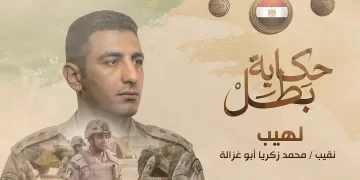





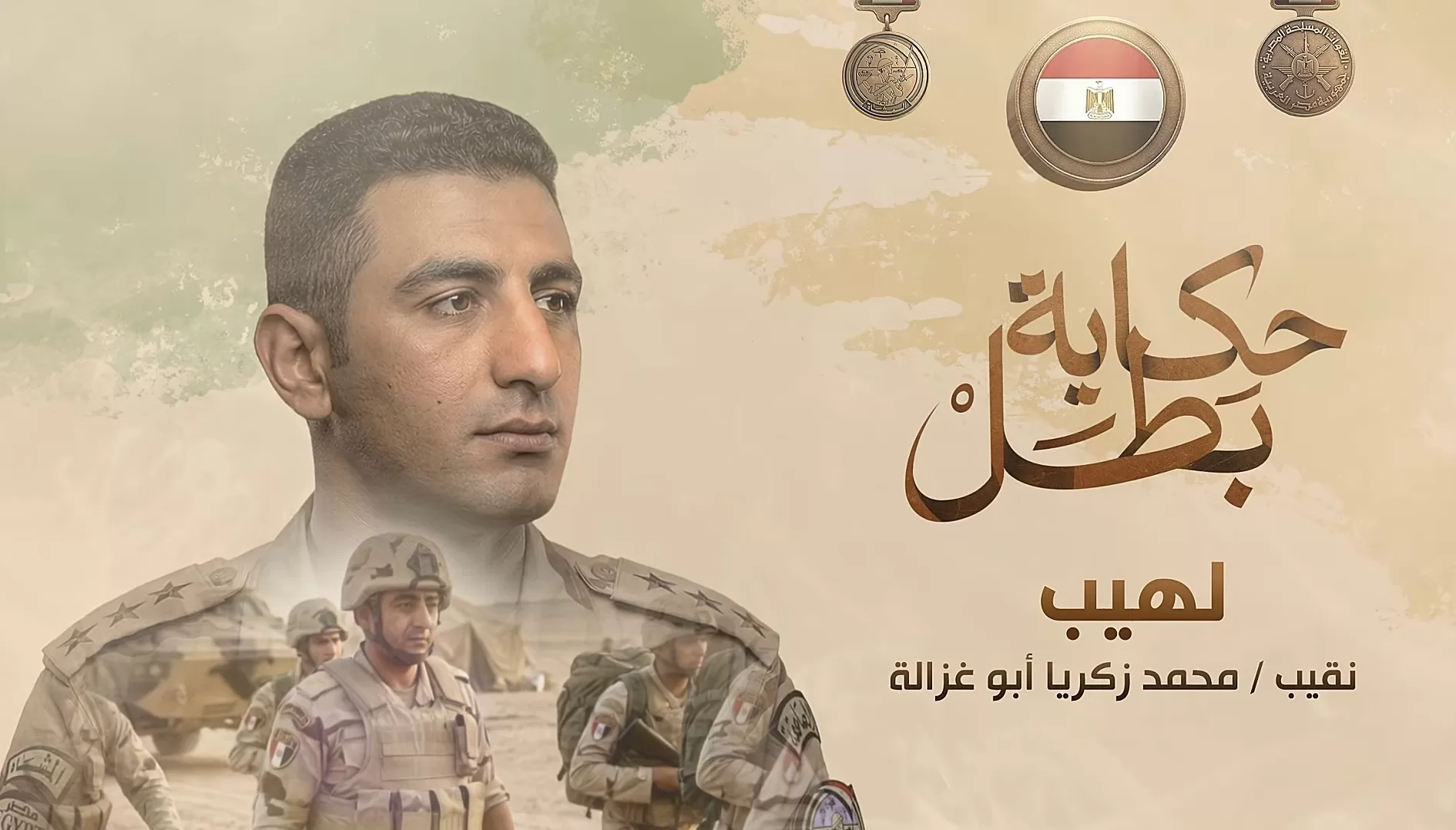
A new episode of Egypt’s military documentary series “Hekayat Batal” (A Hero’s Story) has revisited one of the deadliest terrorist attacks in the country’s modern history, telling the story of Captain Mohamed Abu Ghazala, an officer who refused to abandon wounded soldiers during the assault on the Karam Al-Qawadis checkpoint in North Sinai.
Published by the official pages of military spokesperson Brigadier General Staff Gharib Abdel Hafez, the film combines battlefield testimony with personal memories, presenting Abu Ghazala not only as a combat officer, but as a man remembered for loyalty, calmness and an unwavering sense of duty.
A strategic target
Karam Al-Qawadis was not an ordinary checkpoint. Located between Al-Kharouba, Al-Arish and Sheikh Zuweid, and close to the village of Al-Touma, the position held major strategic importance during Egypt’s war against terrorist groups in Sinai. According to soldiers featured in the documentary, the checkpoint formed part of a broader security network designed to contain terrorist movement through a combination of fixed positions and mobile patrols.
The attack
On Friday, 24 October 2014, shortly after afternoon prayers, the checkpoint came under a large-scale assault.
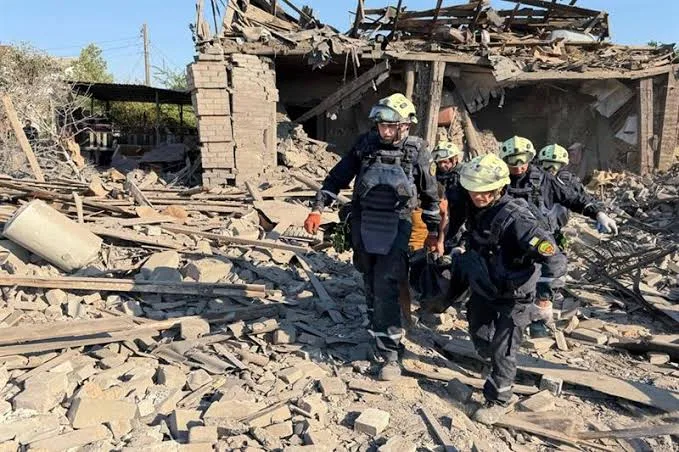
A bomb-laden pickup truck approached the position. Witnesses said the vehicle had been reinforced with heavy steel plating and packed with powerful explosives, including TNT and C-4. Soldiers opened fire, but the armour prevented them from stopping it before it detonated near the checkpoint. The explosion devastated the area.
Amid smoke, debris and shockwaves, surviving soldiers tried to regroup. Abu Ghazala was among those who remained standing.
According to testimonies in the film, he gathered troops who were still able to move and attempted to withdraw towards the nearby village of Al-Tawila. But several wounded soldiers could not continue.
At that moment, he made what comrades described as his final decision: “he would not leave them behind”.
His final stand
Abu Ghazala moved the injured men into a nearby building and prepared to defend them as terrorist advanced on motorcycles and in large numbers.
Inside the building, he reportedly hid behind a doorway, waiting for one of the attackers to enter. When a militant carrying an automatic rifle came through, Abu Ghazala launched himself at him, engaging in hand-to-hand combat in an attempt to seize the weapon.
As he fought to overpower the attacker, another militant entered from behind and opened fire. He was martyred instantly.
Terrorist believed the assault would mark a turning point and weaken state control over the region.
Instead, the attack triggered a major military response. According to the documentary, Egyptian forces later recovered weapons and equipment seized during the raid and tracked down the terrorist involved. The checkpoint area was subsequently reinforced across several kilometres, eventually becoming a launch point for further operations towards Al-Kharouba and Al-Touma.
Man behind uniform
Away from combat, the documentary portrays Abu Ghazala as a deeply humble figure.
Friends and relatives describe him as approachable and widely loved among soldiers and officers alike. Many struggled to believe news of his death. Some, according to the film, simply refused to accept the phone calls confirming it.
During leave periods, he returned home to help his father work the land. Despite being the youngest of his brothers, he was said to be closest to his father.
He did not dream of fame or wealth, comrades said. His ambition was far simpler to protect his country and give people a sense of safety.
The episode closes with a phrase repeated by those who knew him best: “Martyrdom chooses its people.”
For them, Mohamed Abu Ghazala was chosen the moment he decided that saving himself mattered less than staying beside a wounded soldier who could no longer run.

