











EgyptAir celebrates 94 years with major expansion, modernisation

By Mohamed Attia
Celebrating nearly 94 years of aviation leadership, EgyptAir stands as a beacon of national pride and a testament to the resilience of Egyptian industry.
Since its inception, the national carrier has successfully navigated global economic shifts and industrial challenges through the foresight of a visionary management team and the tireless efforts of a dedicated workforce.
Today, the airline is experiencing a significant surge in modernisation, positioning itself as a formidable competitor to the world’s leading carriers.
This era of renewal is not merely about growth; it is a strategic effort to elevate the Egyptian flag across every continent, reinforced by its pivotal role in the Star Alliance since 2008.
Bold fleet expansion
Under the directives of the Ministry of Civil Aviation, EgyptAir is executing an ambitious plan to revolutionise its fleet.
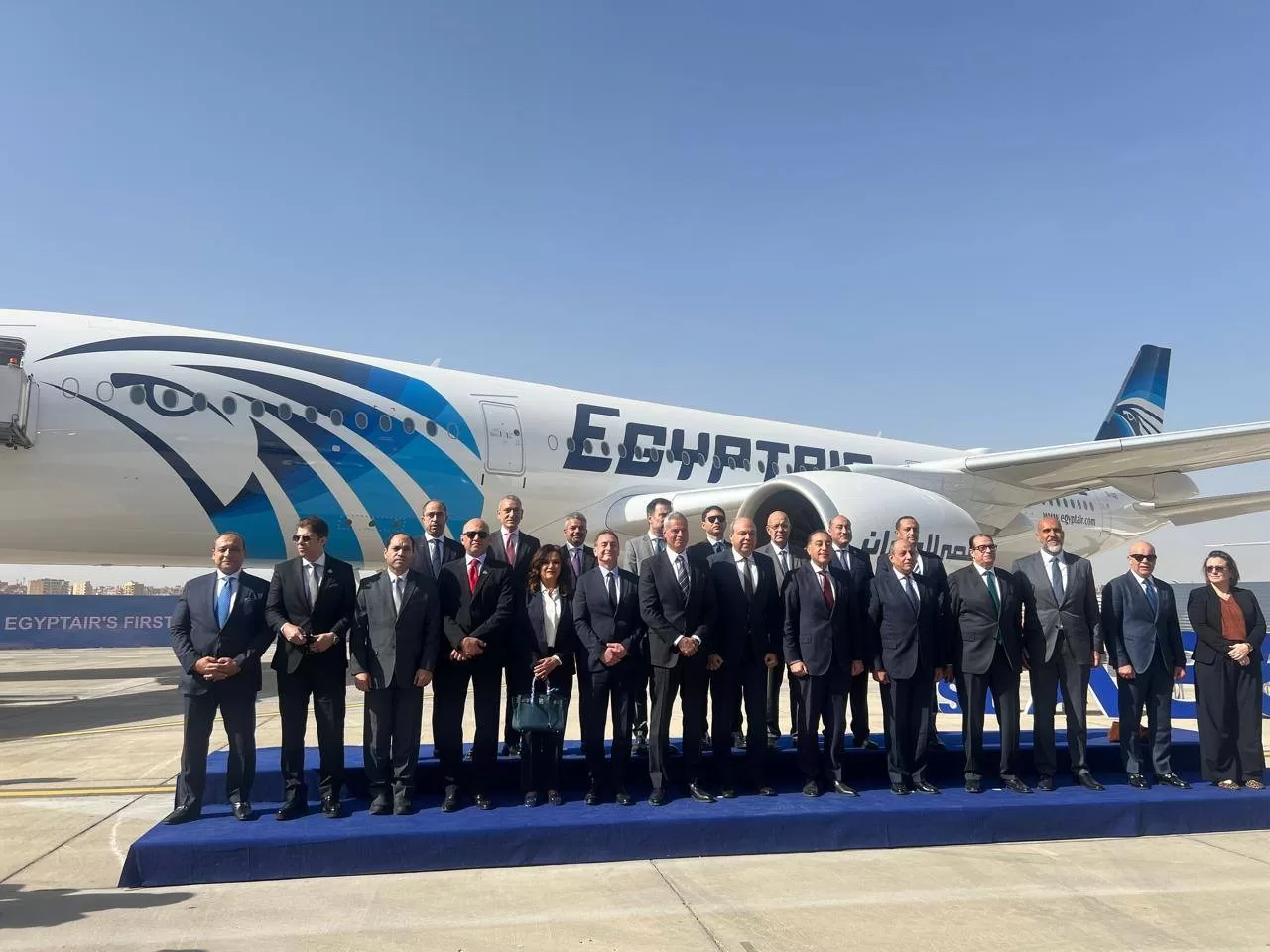
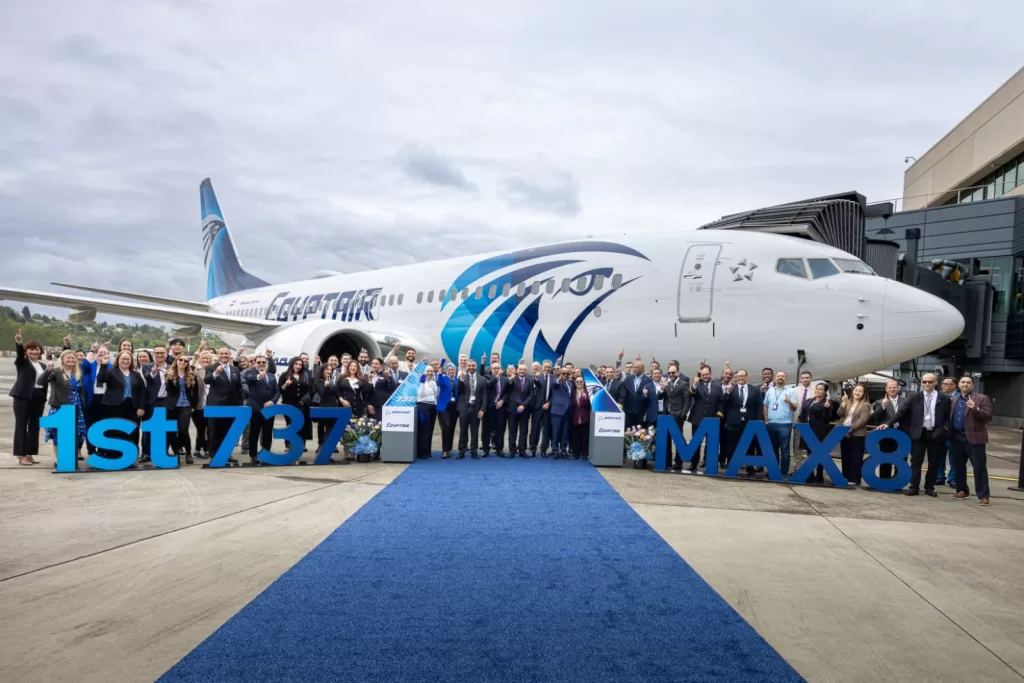
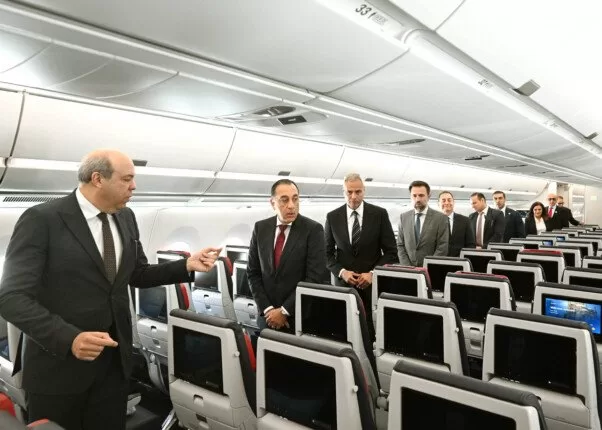
As of early 2026, the company has officially welcomed its first Airbus A350-900 and its first Boeing 737-8MAX, marking a qualitative leap in operational efficiency and passenger comfort.
The current fleet of 71 aircraft—including 67 commercial and 4 cargo planes—is set to expand to a total of 97 aircraft by 2030/2031.
This includes a finalised contract for 16 Airbus A350-900s and a strategic lease for 18 Boeing 737-8MAX jets, ensuring that the airline operates one of the youngest and most technologically advanced fleets in the region.
International recognition
EgyptAir’s commitment to excellence has earned it prestigious international recognition.
In 2025, the carrier was named the “Best Airline in Africa for Passenger Service” by Skytrax and climbed an impressive 20 places to rank 68th among the world’s top 100 airlines. Beyond its accolades, the airline continues to bridge the gap between Egypt and the world, operating a network that now reaches 82 international destinations from Cairo, alongside secondary hubs in Alexandria.
New routes to Zurich, Prague, Mogadishu, and Abidjan reflect a strategic focus on expanding Egypt’s influence as a primary transit hub linking Africa, Europe, and the Middle East.

Eng. Fahim Rayyan
Engineering mastery
The success of the national carrier is underpinned by the world-class capabilities of EgyptAir Maintenance and Engineering.
Recently, the subsidiary was certified as an Airbus Qualified Supplier, a status that recognises its ability to provide high-level maintenance for operators across Africa.
The engineering team’s agility was recently highlighted when they implemented critical software updates for the A320 fleet in record time, earning formal gratitude from Airbus.
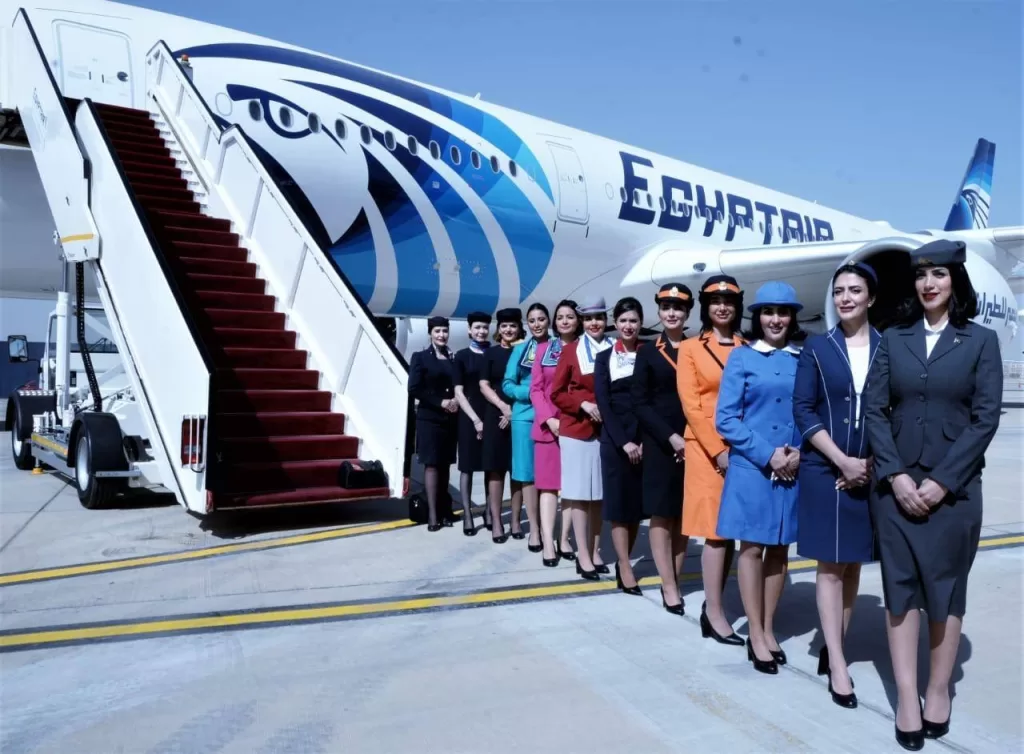
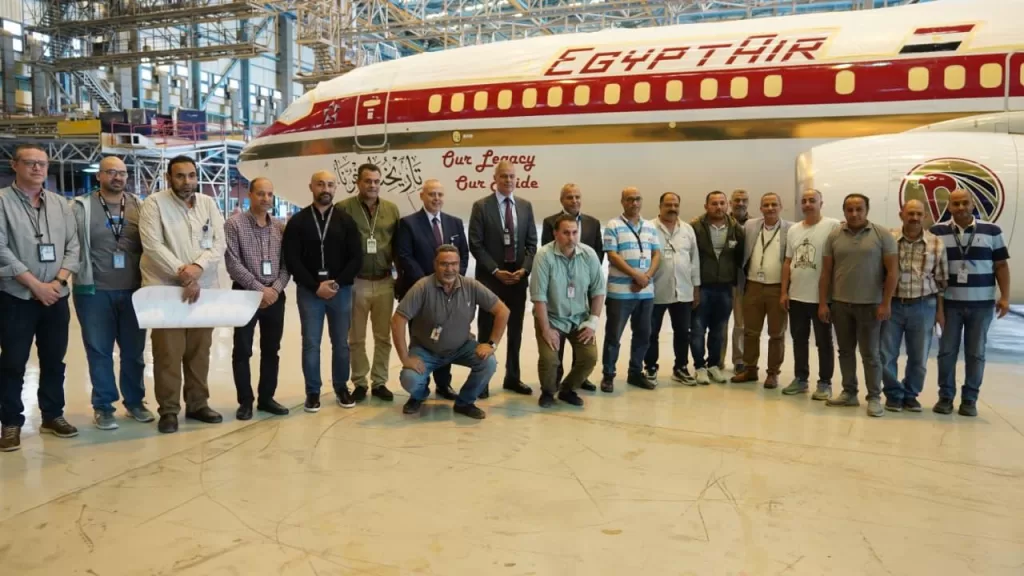
To celebrate this blend of history and modernity, the airline recently debuted a “retro livery” on a Boeing 737-800, featuring the classic 1980s logo, symbolising a deep-rooted pride in its heritage while looking toward a high-tech future.
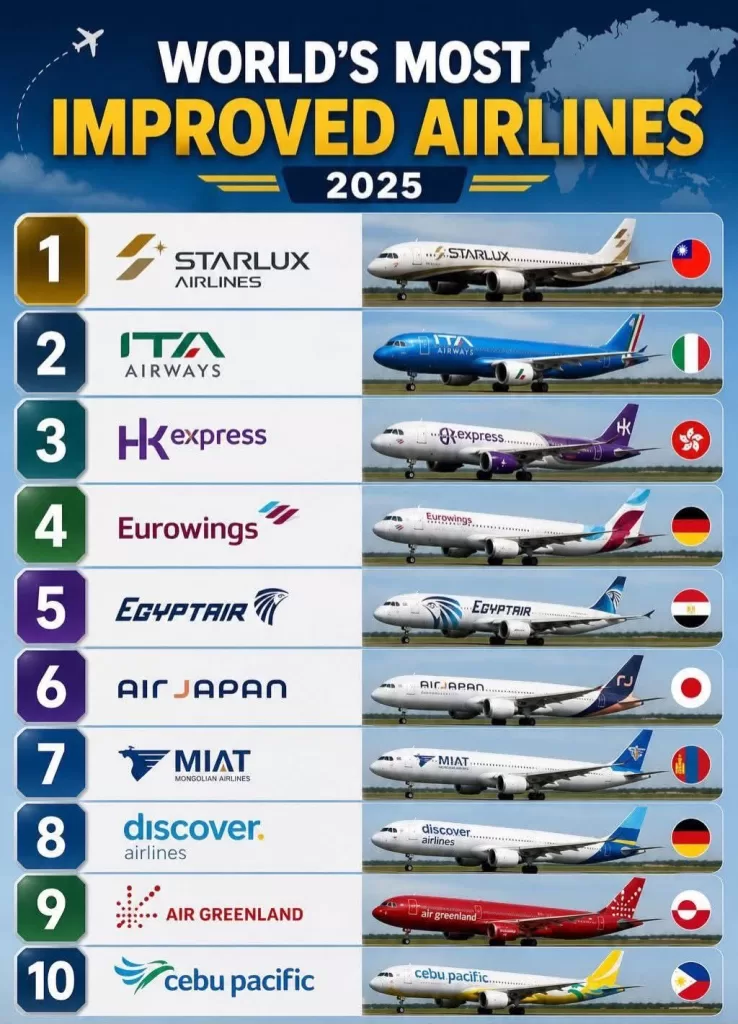
EGYPTAIR among 2025’s fastest-improving global airlines inSkytrax rankings.
The founding story
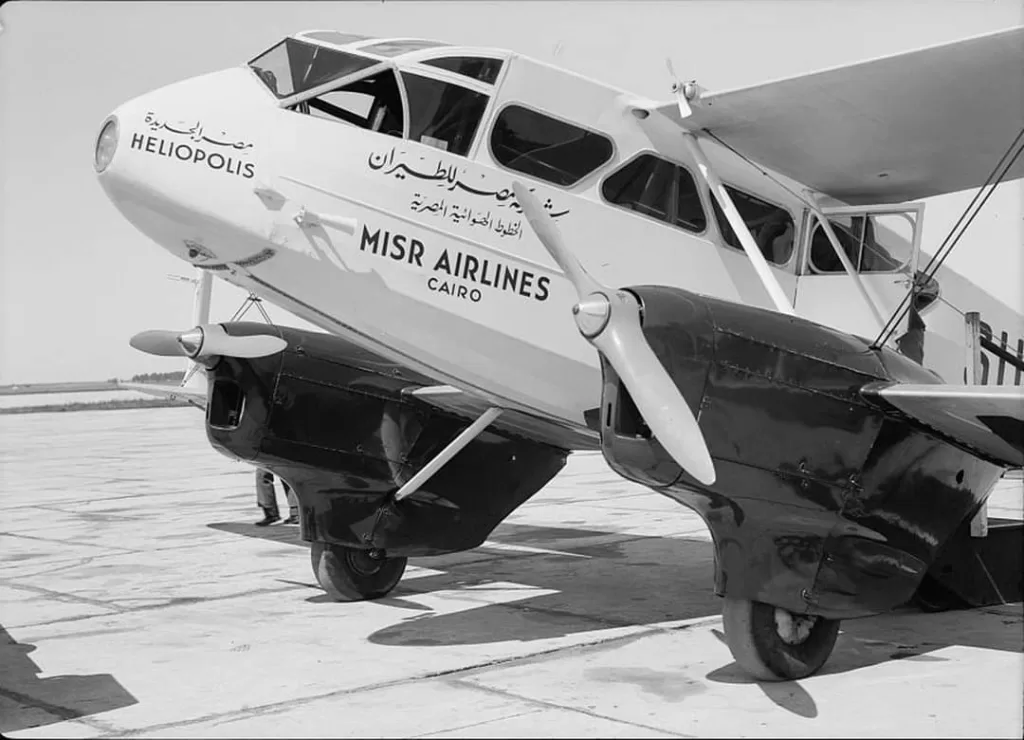
The story of EgyptAir began in the 1920s as a dream championed by the legendary economist Talaat Harb.
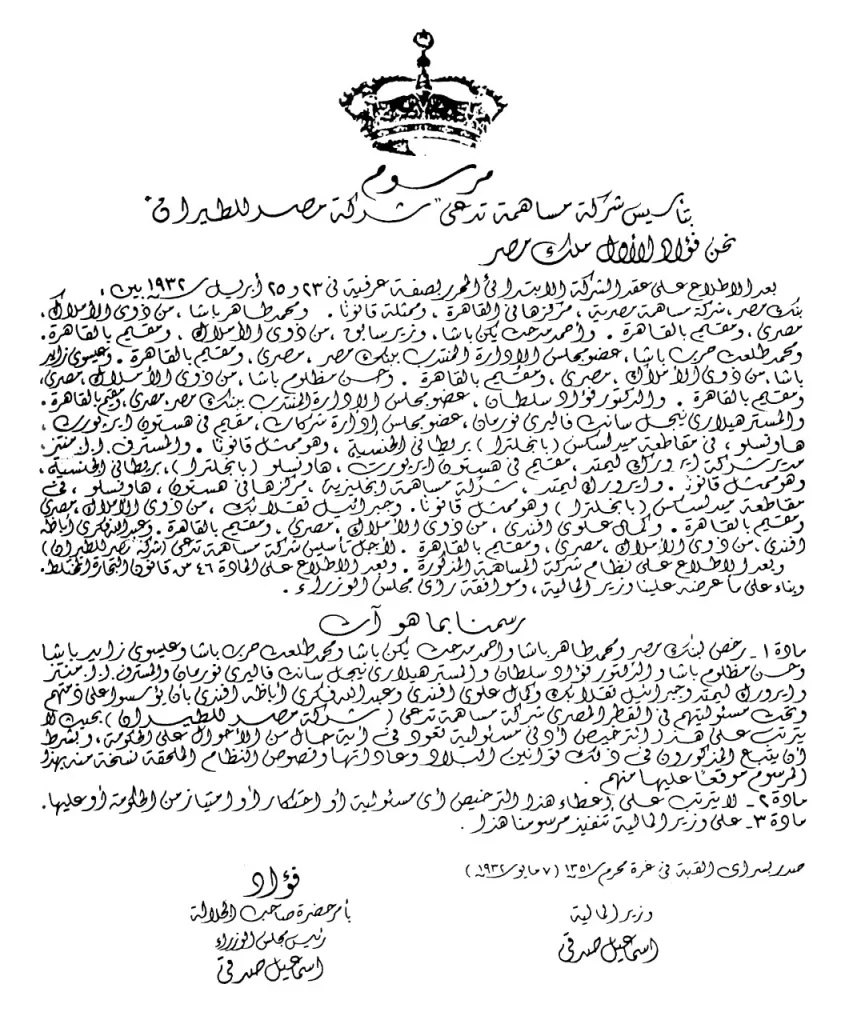
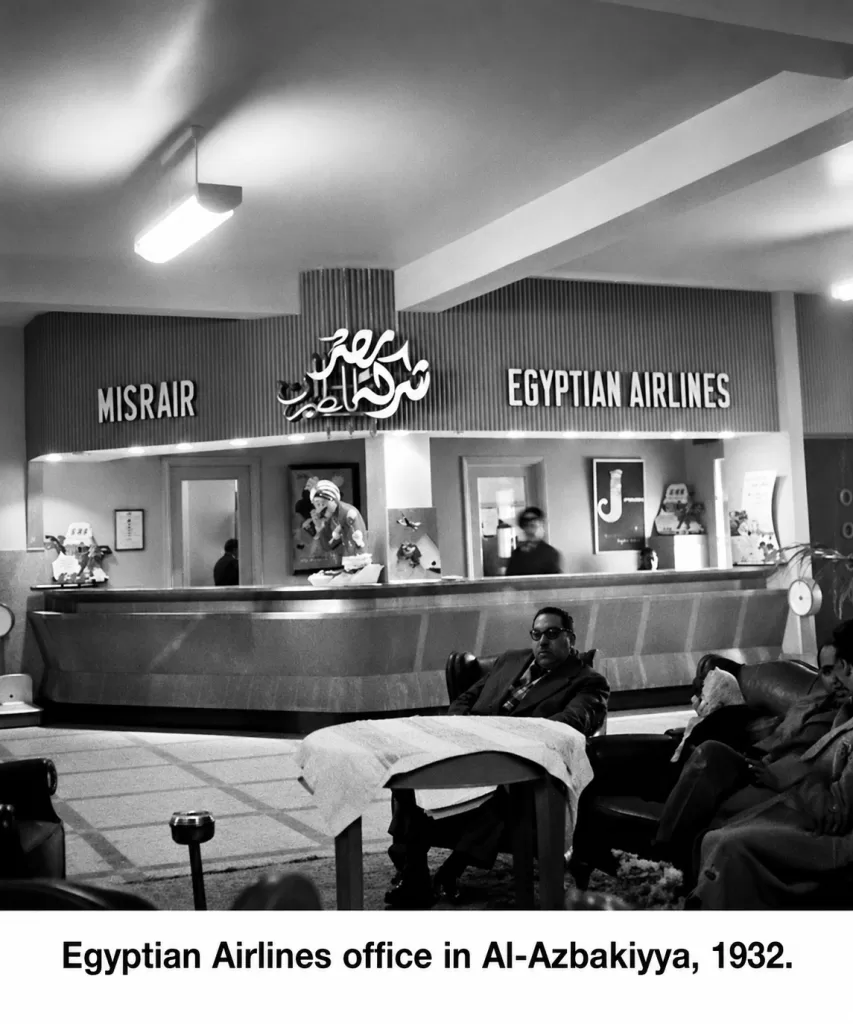
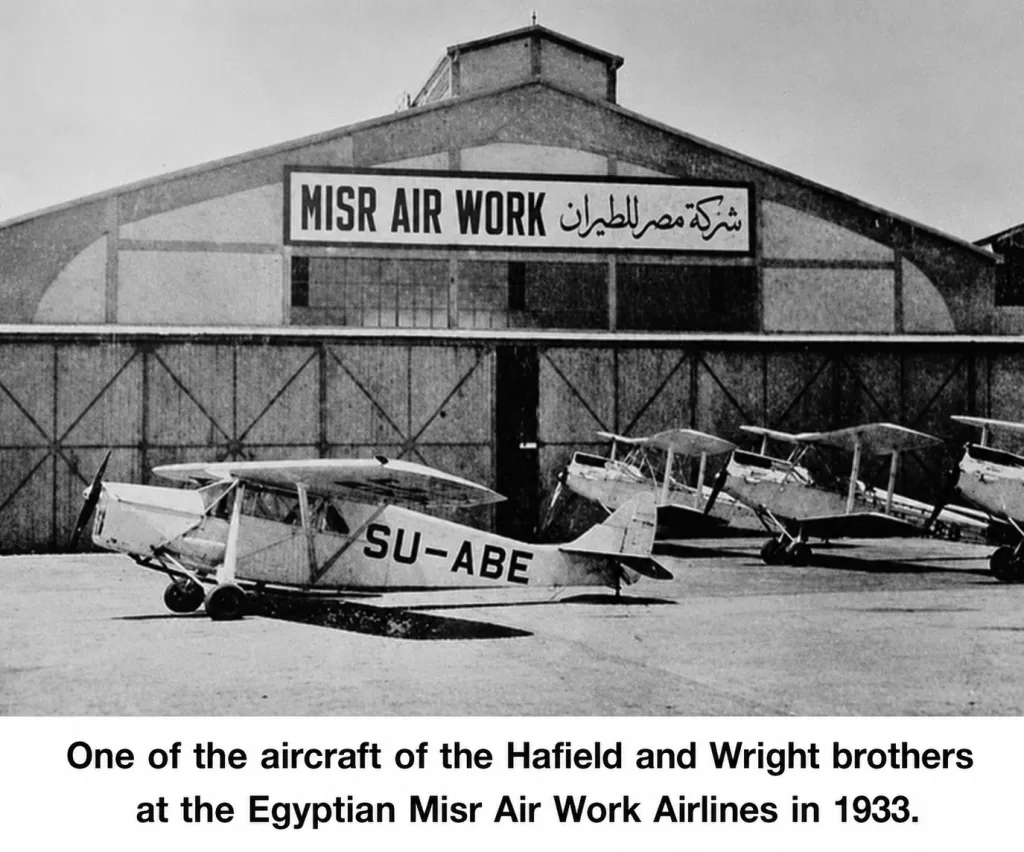
Supported by aviation pioneers like Kamal Alawi—who purchased the first aircraft registered in Egypt—and Mohamed Sedky, the first Egyptian pilot to fly from Berlin to Cairo, the dream became a reality on May 7, 1932. Established by royal decree, the company was born from a nationalist spirit, ensuring at least 60 per cent Egyptian ownership from the start.
This pioneering spirit led to historic milestones, such as EgyptAir becoming the first airline in the world to land in the holy cities of Jeddah and Medina in 1936, a legacy of firsts that continues to define its operations.

Social progress
EgyptAir has always been more than just a commercial enterprise; it is a mirror of Egyptian social and political progress.
In 1936, the airline celebrated the entry of Lotfia El Nadi, the first Egyptian woman to obtain a pilot’s license, paving the way for generations of female aviators.
During the 1950s and 60s, the airline underwent significant transformations, including its merger into “United Arab Airlines” during the union with Syria and its subsequent expansion into the jet age with the De Havilland Comet.
These transitions solidified the airline’s role as a vital instrument of national policy and a provider of essential services during global crises, including the Covid-19 pandemic.
Global standards
Since the restructuring of the civil aviation sector in 2002, EgyptAir has operated as a robust holding company with specialised subsidiaries.
This modern structure allowed the airline to become the first in Africa to achieve the IATA Operational Safety Audit (IOSA) certification in 2004.

Today, with training simulators, a comprehensive medical facility, and a burgeoning cargo network, the EgyptAir Holding Company remains a cornerstone of the national economy.
As it moves toward its centenary, the “National Legend” continues to soar, blending historical prestige with a relentless pursuit of global excellence.