



Egypt is accelerating its push towards clean energy as vast solar developments continue to reshape the country’s desert landscape, reinforcing long-term strategy to diversify energy sources and support sustainable development.
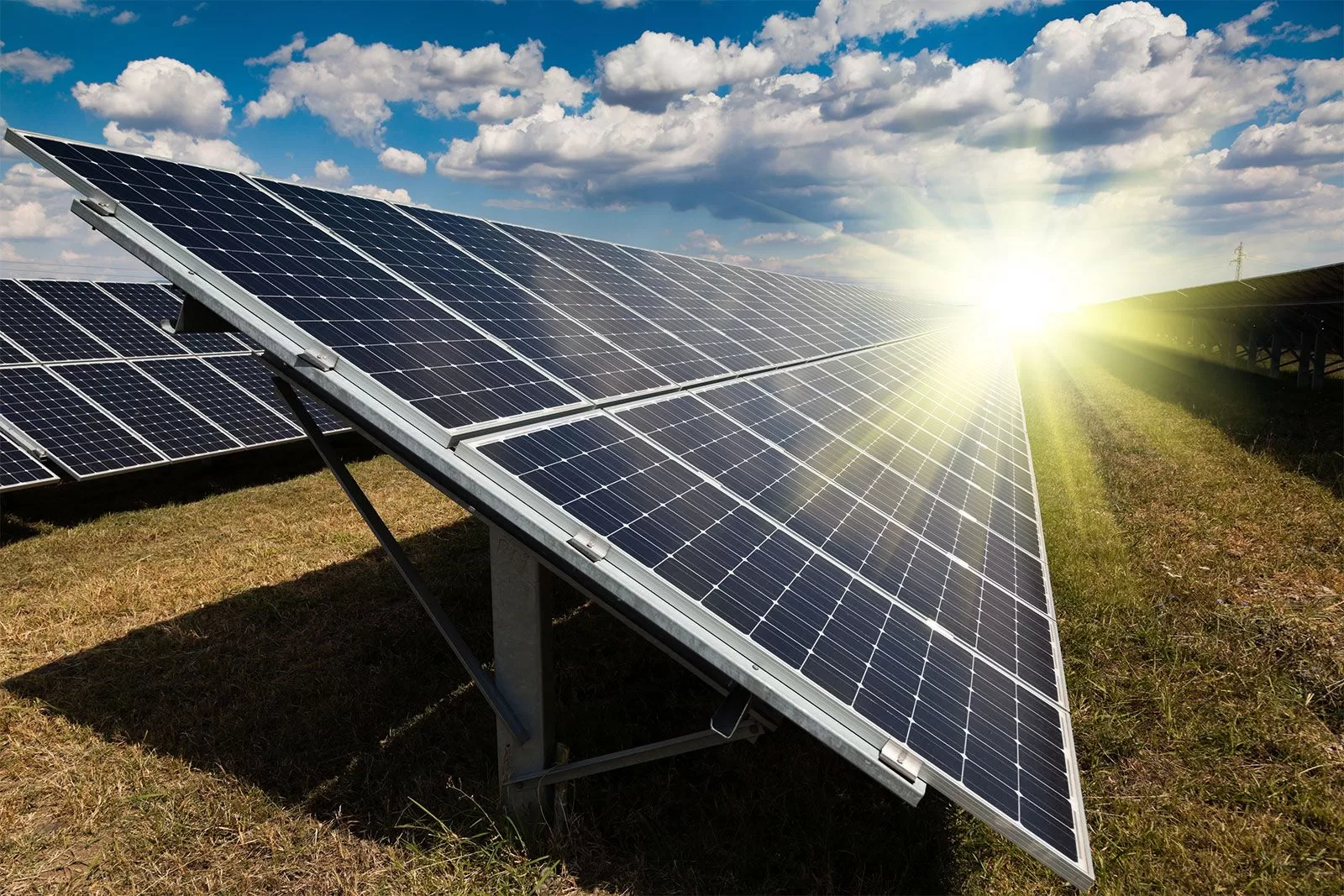
Around 40 kilometres from Aswan Governorate, thousands of solar panels stretch across the desert at the Benban Solar Park, one of the world’s largest solar energy projects, where sunlight is converted into clean electricity that is fed into the national grid with a capacity of approximately 1.6 gigawatts.
The sun has become not only a source of heat but also one of Egypt’s top strategic resources in the transition towards a more sustainable future.
This transformation is no longer confined to Upper Egypt; it is extending into the heart of the Western Desert, where the New Valley Governorate has emerged as a growing model for solar energy utilisation, supported by some of the highest solar irradiation rates in the world—exceeding 10.7 kilowatts per square metre per day and more than 4,000 hours of sunshine annually—making it an ideal environment for generating clean electricity.
Governor of New Valley Hanan Magdy recently met delegations from leading solar energy companies to discuss the status of ongoing projects, future expansion plans across all districts, and challenges facing implementation.
The New Valley Governorate is moving towards investments of around LE5 billion in the solar energy sector, in cooperation with specialised companies, as part of a plan to expand electricity generation and distribution stations in the Oases of Kharga, Dakhla and Farafra, across areas of up to 2,000 acres per project.
This is expected to add around 100 megawatts to the national grid, with plans to increase capacity to 500 megawatts in the next phase.
The expansion also aims to maximise the use of solar energy across various sectors, with government facilities, residential areas and agricultural projects increasingly powered by clean energy. Major projects include the construction of a 900-megawatt station in Dakhla, which is expected to boost investment and create thousands of jobs.
The government services complex in Kharga has already been powered by solar energy and connected to the grid.
In addition, power stations in Farafra, Abu Minqar and Darb El Arbaein have been implemented with a combined capacity of 6 megawatts, serving more than 4,800 homes, reducing carbon emissions by around 8,700 tonnes annually, and cutting diesel consumption by 40 per cent.
Magdy affirmed the government’s full support for all serious investment projects, particularly in new and renewable energy, describing it as a key pillar for sustainable development and job creation for young people.
She also stressed the importance of facilitating procedures and removing obstacles facing investors to ensure faster implementation and optimal use of available resources.
The Ministry of Electricity and Renewable Energy is also supporting the expansion of renewable energy through strengthened partnerships with the private sector and reinforcement of electricity networks, helping improve energy system efficiency and better utilise natural resources.
The impact of this expansion is also reflected in the labour market, as the Benban Solar Park project alone created around 20,000 jobs during its construction phase and 6,000 permanent positions, while Egypt’s solar energy sector continues to record strong growth and rising employment opportunities in recent years.

