



WASHINGTON/CAIRO/ISLAMABAD (Reuters) – Host nation Pakistan said on Tuesday there was still no confirmation that Iran would attend last-ditch peace talks with the United States, after U.S. forces boarded a huge Iranian oil tanker at sea with just a day left to the ceasefire.
President Donald Trump said he hoped to reach a “great deal” to end the U.S.-Israeli war on Iran, but he did not want to extend the ceasefire, and the U.S. military was “raring to go” if negotiations were not successful.
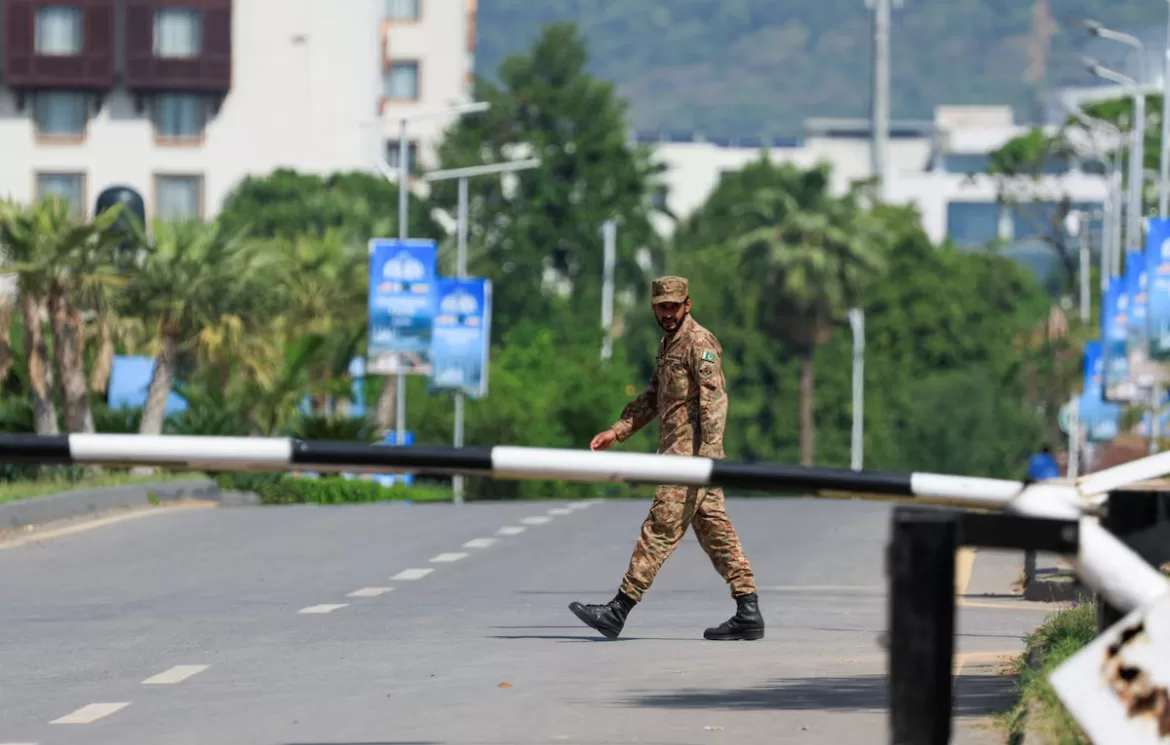
Vice President JD Vance, due to lead the U.S. delegation, had yet to board a flight for Islamabad, where the centre of the city has been locked down and a luxury hotel has been cleared out to host the talks.
A White House official said Vance would be participating on Tuesday in additional policy meetings at the White House.
“Formal response from Iranian side about confirmation of delegation to attend Islamabad Peace Talks is still awaited,” Pakistan’s information minister, Attaullah Tarar, said in a post on X. “Pakistan as the mediator is in constant touch with Iranians and pursuing the path of diplomacy and dialogue.”
Asked about the possibility of extending the truce, Trump told CNBC: “I don’t want to do that. We don’t have that much time.”
“I expect to be bombing because I think that’s a better attitude to go in with,” he added. “But we’re ready to go. I mean, the military is raring to go.”
Iranian government spokesperson Fatemeh Mohajerani said: “We do not want to be attacked again, but if such attacks occur, we will definitely respond more firmly than before,” according to the state news agency IRNA.
The U.S. military said its forces had boarded a tanker under sanctions for trading with Iran, the Tifani, in an operation that took place “without incident”.
The vessel last reported its position on Tuesday morning as near Sri Lanka in the Indian Ocean, according to MarineTraffic tracking data. It was close to fully loaded with 2 million barrels of crude and had signalled Singapore as its destination.
“As we have made clear, we will pursue global maritime enforcement efforts to disrupt illicit networks and interdict sanctioned vessels providing material support to Iran — anywhere they operate,” U.S. Central Command said.
There was no immediate Iranian response to the boarding, but it appeared likely to complicate efforts to persuade Iran to attend the talks.
Iranian officials have publicly cited a U.S. blockade of their ships as a reason not to negotiate. Iranian sources contacted by Reuters after the boarding incident said Iran was still considering whether to attend.

