



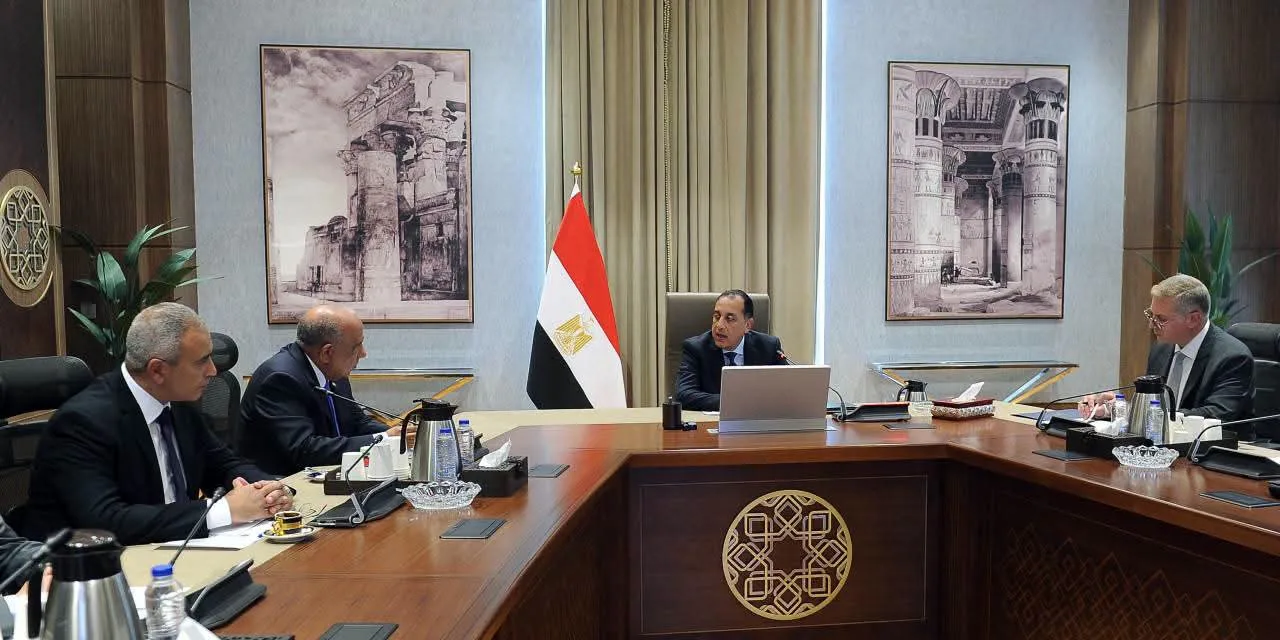




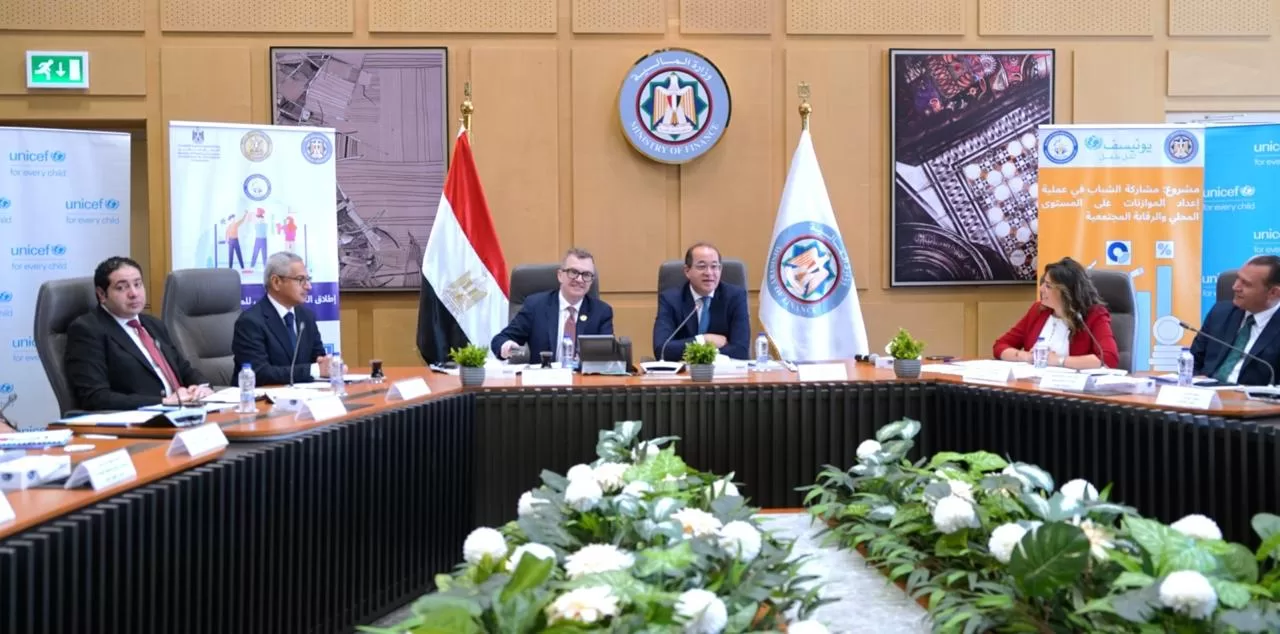
Finance Minister Ahmed Kouchouk reasserted that the state budget extends far beyond a set of financial figures, describing it as a comprehensive framework of services, programmes and initiatives designed to improve citizens’ daily lives and meet their development needs.
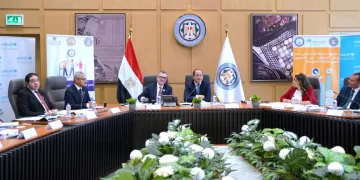
Speaking during a review of the National Participatory Budgeting Model in Beni Suef on Tuesday, Kouchouk highlighted the government’s commitment to aligning public spending with citizens’ priorities, particularly in the face of ongoing economic pressures.
The minister affirmed that the government is working to translate the outcomes of the participatory budgeting model into tangible improvements in public services across Beni Suef, pledging to adopt innovative, community-driven initiatives aimed at addressing locally- identified development gaps.
“We will spare no effort to realise the aspirations of citizens through faster and more efficient services that reflect their priorities,” Kouchouk said.
He acknowledged the ongoing challenge of balancing rising needs with limited resources, stressing that citizen input is essential to setting spending priorities and improving the efficiency of public expenditure.
Within this framework, the Finance Ministry is expanding the participatory budgeting model across governorates, building on successful pilot programmes in Beni Suef, Fayoum and Alexandria governorates. In a notable step towards enhanced transparency, the government will, for the first time, present the outcomes of budget implementation from the perspective of service recipients.
Kouchouk also highlighted continued efforts to boost fiscal transparency through ensuring timely access to high-quality financial data, alongside upgrading oversight mechanisms and broadening community participation. These measures, he noted, have contributed to Egypt’s improved ranking in international transparency and disclosure assessments.
For his part, Minister of Planning and Economic Development Ahmed Rostom described the participatory budgeting model as a significant step towards improving governance of both financial and investment spending. He stressed its role in promoting transparency, accountability and citizen engagement in determining local spending priorities.
Rostom stressed the importance of transitioning from traditional budgeting frameworks to programme- and performance-based models, describing this shift as a qualitative leap in public financial management, one that directly links government expenditure to measurable outcomes and maximises development impact.

