








Egypt’s Prime Minister Moustafa Madbouli has reaffirmed the government’s commitment to strengthening economic performance and enhancing the country’s attractiveness to investment, highlighting the importance of ongoing coordination with international financial institutions and global partners.
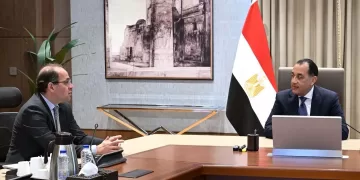
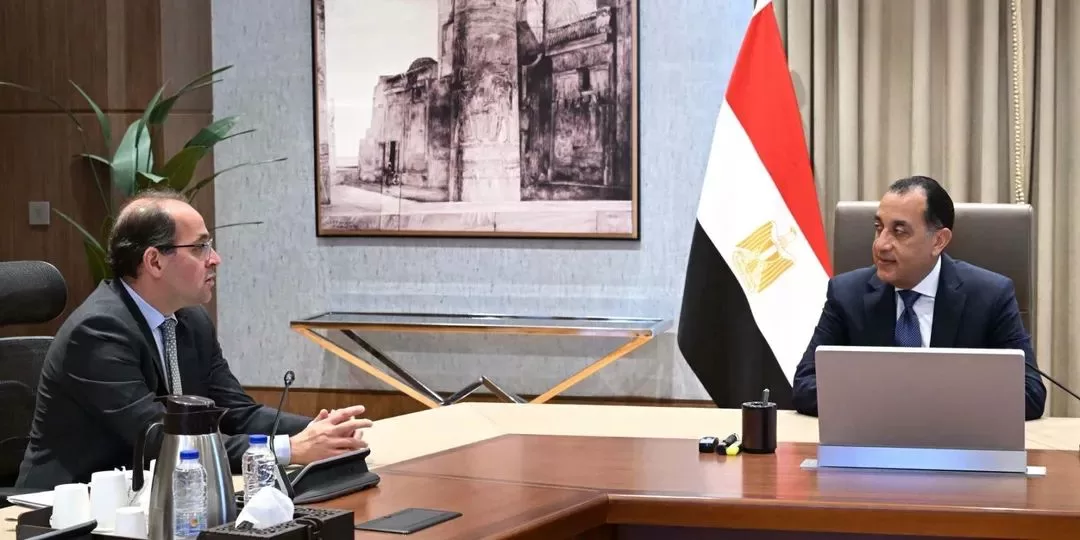
His remarks were made during a meeting held on Saturday with Minister of Finance Ahmed Kouchouk to review the outcomes of his participation in the Spring Meetings of the International Monetary Fund and the World Bank in Washington DC.
Kouchouk stated that his meetings with finance ministers from the Middle East and North Africa focused on accelerating the transition to a green economy and expanding renewable energy, particularly in light of global uncertainties.
According to him, Egypt’s economy has demonstrated resilience in the face of external shocks, supported by proactive and balanced policies that promote growth while protecting vulnerable groups.
He added that discussions with international investors, including those organised by Bank of America, RMB Bank, Jefferies, and Société Générale, highlighted Egypt’s fiscal policy priorities aimed at enhancing public finance discipline, stimulating economic activity, and supporting the business environment.
Minister Kouchouk emphasised that transparency and open dialogue contributed to building investor confidence, noting that the tax incentive programme is expected to expand the tax base and increase revenues by 29 per cent during the current fiscal year without imposing additional burdens.
Minister Kouchouk further indicated that Egypt recorded economic growth of 5.3 per cent during the first half of the fiscal year, driven by strong performance in industry, information technology, tourism, and private investment.
He noted that private sector investments increased by 42 per cent in the first quarter.
During a roundtable on emerging markets, the minister highlighted the challenges posed by rising energy prices and supply chain disruptions, stressing the need for innovative solutions to balance debt sustainability and growth.
He called for more equitable financing mechanisms and reduced borrowing costs to support emerging economies.

