




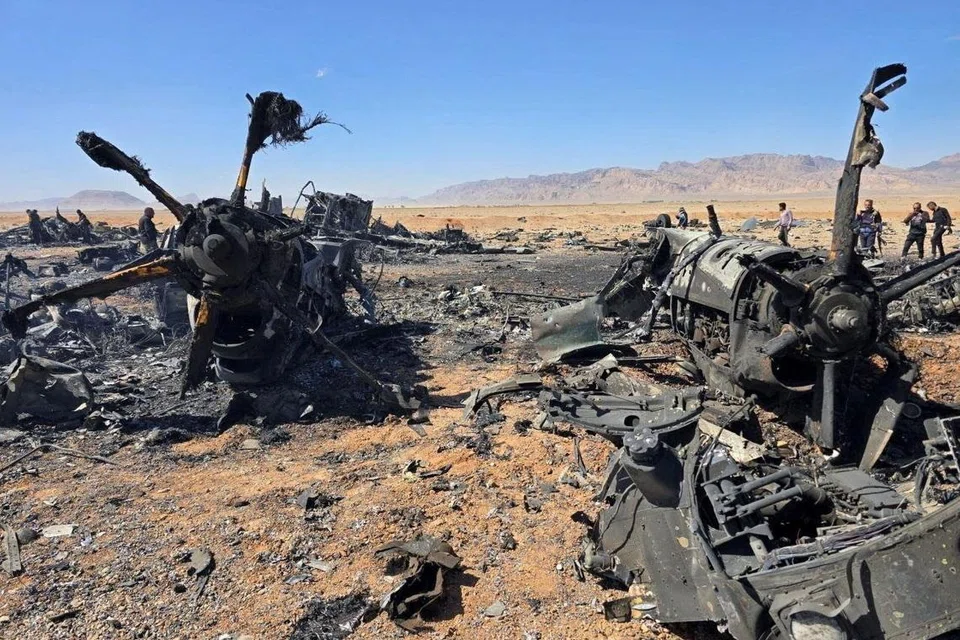
After six weeks of a war with Iran that has jolted energy markets and fuelled worries about the global economy, Americans are confronting what the conflict means for their lives, even as a fragile ceasefire takes hold.
For a 65-year-old Marine veteran interviewed in Colorado, the US and Israeli strikes finally dealt with a threat he believes Washington ignored for decades, while a retired businessman in California criticised the war as pointless and ego-driven.
Rising costs dominated discussions elsewhere, with a caterer in Indiana struggling to generate enough income to cover higher gasoline costs.
In Atlanta, as people lingered in the sunshine of a public park, a college student said the war was wrecking the economy, while a 32-year-old cook remarked during an interview that, beyond the television screen, the conflict scarcely felt real.
Reuters spoke with 16 people across Indiana, New York, California, Georgia and Colorado on Wednesday – a day after the United States and Iran agreed to the ceasefire ahead of planned talks in Pakistan on Saturday – to understand how they are processing the war amid rapid news cycles, constant social media distraction and a fractured political landscape.
Launched without congressional approval, the war is broadly unpopular, though views differ along partisan lines. A Reuters poll published on March 31 found that 60% of Americans opposed US military strikes on Iran, with 74% of Republicans supporting the action, compared with 7% of Democrats.
In addition to their thoughts on the war, Reuters asked them about the economy, the country’s political divide, and the extent to which they are keeping up with news developments.

