




Egypt’s Minister of Finance, Ahmad Kouchouk, emphasised the vital role of national dialogue with political forces in enriching the government’s programmes designed to support both citizens and investors. He underscored the government’s proactive approach in swiftly addressing the current exceptional challenges to minimise their impact on the economy.
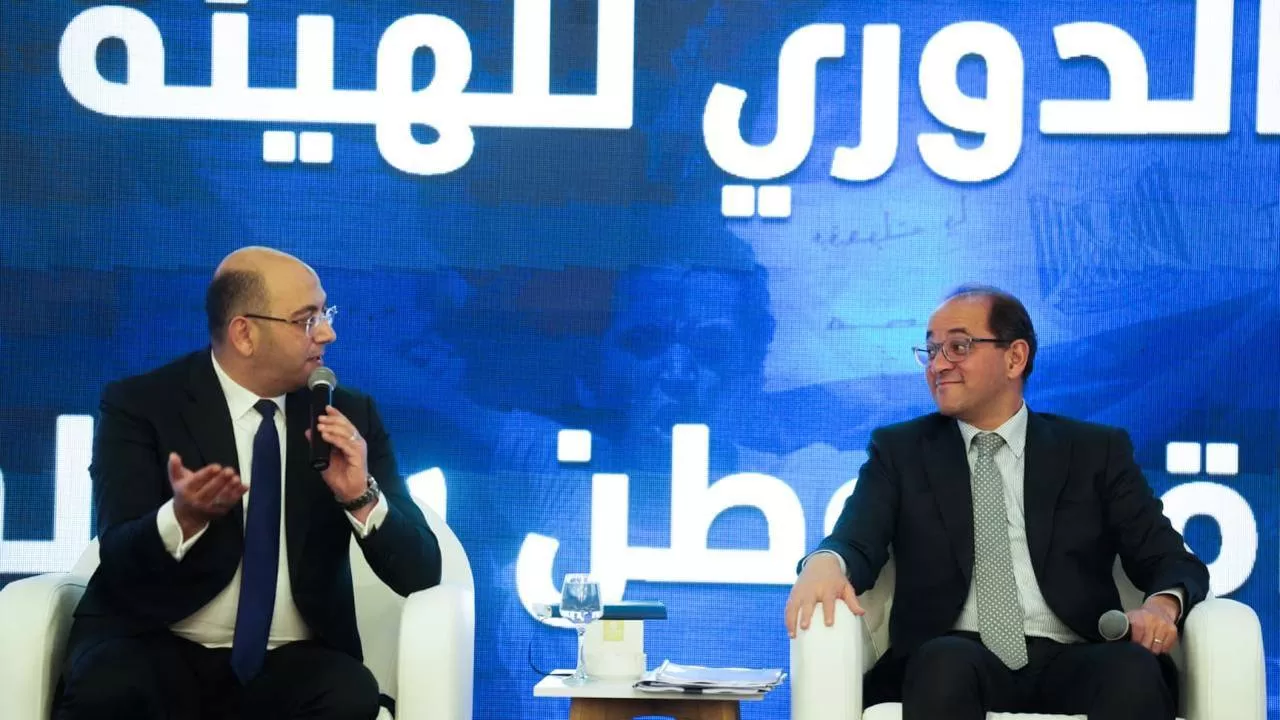
Speaking at a panel discussion with members of the “Guardians of the Nation Party” (Humat Al-Watan) on Friday, Kouchouk stated that the government’s primary focus is to secure essential goods, production supplies, and stimulate economic activity. Despite the ongoing crisis, he reassured that Egypt’s economy is maintaining a positive trajectory, bolstered by strong economic, monetary, and financial outcomes.
“We have made rapid adjustments to the new budget to strengthen our capacity to manage both current and potential risks, including increasing reserves,” Kouchouk explained. He further highlighted additional allocations made to ensure the continued availability of energy, essential goods, and medicines amidst regional challenges.
The minister confirmed that Egypt’s public finances are being managed through multiple “alternative scenarios” to ensure citizens’ needs are met while simultaneously supporting economic activities. He outlined that the government’s fiscal policies are underpinned by four key priorities, reflected in budget allocations and tax, customs, and real estate facilitation packages.
Kouchouk also stressed Egypt’s commitment to enhancing its partnership with the business community, expanding the production and tax bases, and attracting 100,000 new taxpayers.
The minister noted that efforts are underway to improve the debt indicators of public budget entities, allowing for greater fiscal space to prioritise spending that benefits citizens.
Kouchouk revealed that the new budget will see a substantial increase in government investments, marking the launch of the second phase of the “Decent Life” initiative and the expansion of comprehensive health insurance. He pointed out that LEE90 billion have been allocated to stimulate economic activity through incentive initiatives targeting the tourism, industry, export, and entrepreneurship sectors.
“Our target is to achieve the largest primary surplus and reduce the total deficit to below the average of emerging countries, with national debt projected to fall below 80 per cent by June 2027,” Kouchouk added.

