



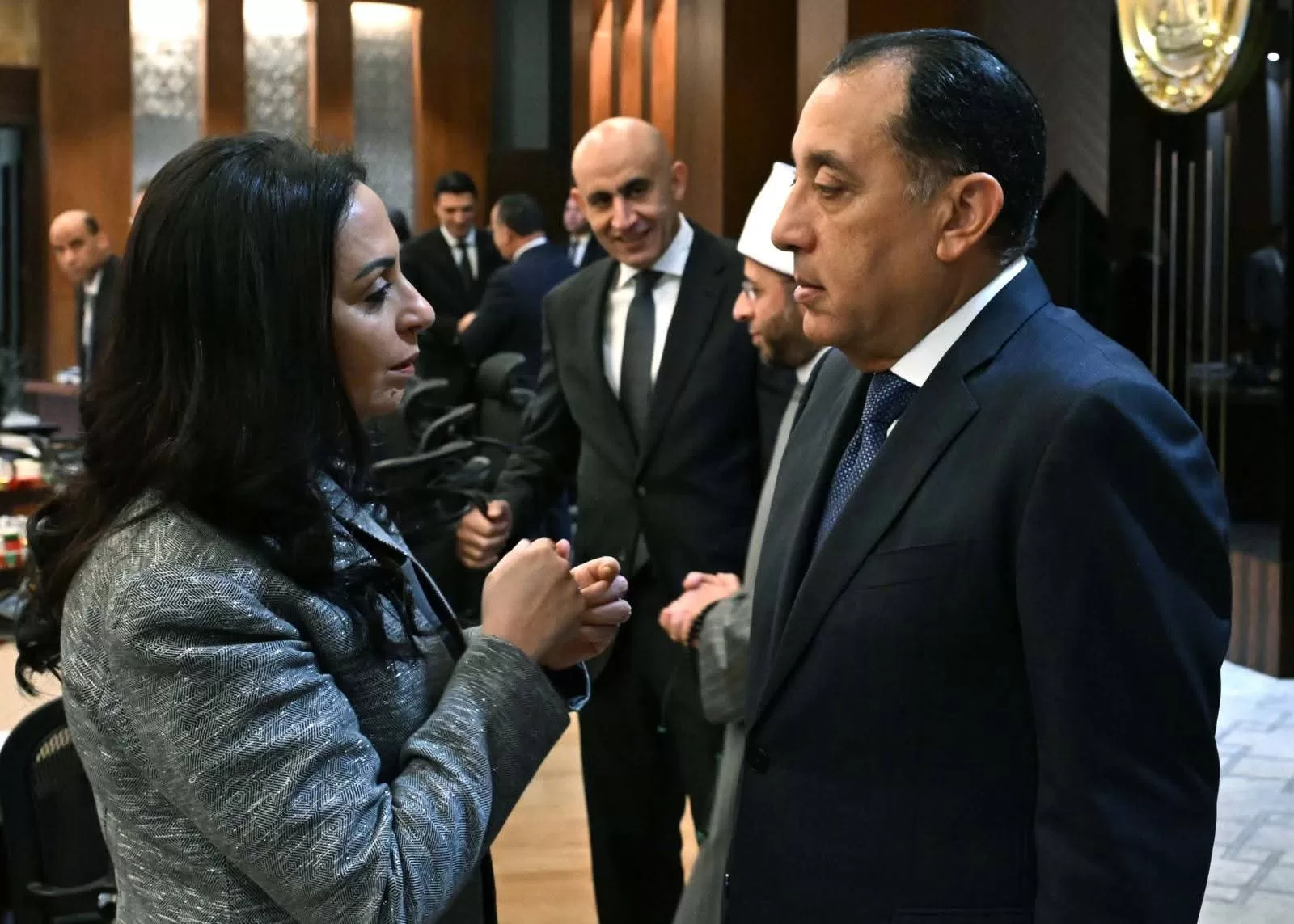
Egypt’s Minister of Social Solidarity, Maya Morsi, presented on Wednesday a comprehensive report detailing Egypt’s efforts to provide integrated care for children from the Gaza Strip hosted in the country.
These efforts are being implemented through the National Sponsorship Centre “Face Egypt” and the Rawdat Al-Obour Rehabilitation Centre.
During a Cabinet meeting chaired by Prime Minister Moustafa Madbouli, the minister explained that these measures come in implementation of directives issued by President Abdel Fattah El Sisi in November 2023, calling for expedited coordination to receive newborns from Gaza to safeguard their lives.
In this context, a number of premature Palestinian infants were received at the Egyptian side of the Rafah border crossing by the Ministry of Health and Population and transferred via fully-equipped mobile incubators to specialised hospitals using advanced ambulances accompanied by specialised medical teams.
Morsi added that in June 2024, the ministry received 14 children from Gaza, with eight hosted at the “Face Egypt” centre and six at the Ministry’s rehabilitation centre.From their arrival, the children were provided with comprehensive psychological and physical care, integrated into daily activities, and supported through individualised rehabilitation programmes, including psychomotor therapy and tailored care plans, the ministry said in a statement.
She noted that follow-up assessments identified developmental delays among some children, in addition to neurological and psychological conditions, visual impairments resulting from previous medical complications, and cases of malnutrition, with some requiring urgent surgical intervention.
All necessary healthcare services were subsequently provided in accordance with specialised treatment plans.
The minister further highlighted the role of the Egyptian Red Crescent in supporting children at Rawdat Al-Obour through continuous nutritional assistance, regular medical monitoring, and the provision of essential medication.
The organisation also facilitated family reunification by organising regular video calls between the children and their families, helping to preserve emotional bonds and promote psychological stability.
In addition, psychosocial support was provided prior to the children’s return to Gaza, including the establishment of safe spaces at the Rafah border crossing and the distribution of educational and recreational materials.

