



It’s been a month since Hezbollah fired rockets into Israel after the US-Israeli attack on its patron, Iran, triggering Israeli bombardment of Lebanon and a ground invasion. Since then, more than 1 million people from southern and eastern Lebanon and Beirut’s southern suburbs have fled. Many have crammed into the ever-tighter spaces of the country’s capital where the bombs have not yet fallen.
Israel’s attacks and evacuation orders — unprecedented in scope, covering what humanitarian agencies estimate to be 15% of this tiny country — have emptied villages in south Lebanon and pushed almost the entire population of the southern suburbs into Beirut, shifting the city’s centre of gravity, reshaping its geography and stirring fears about its future.
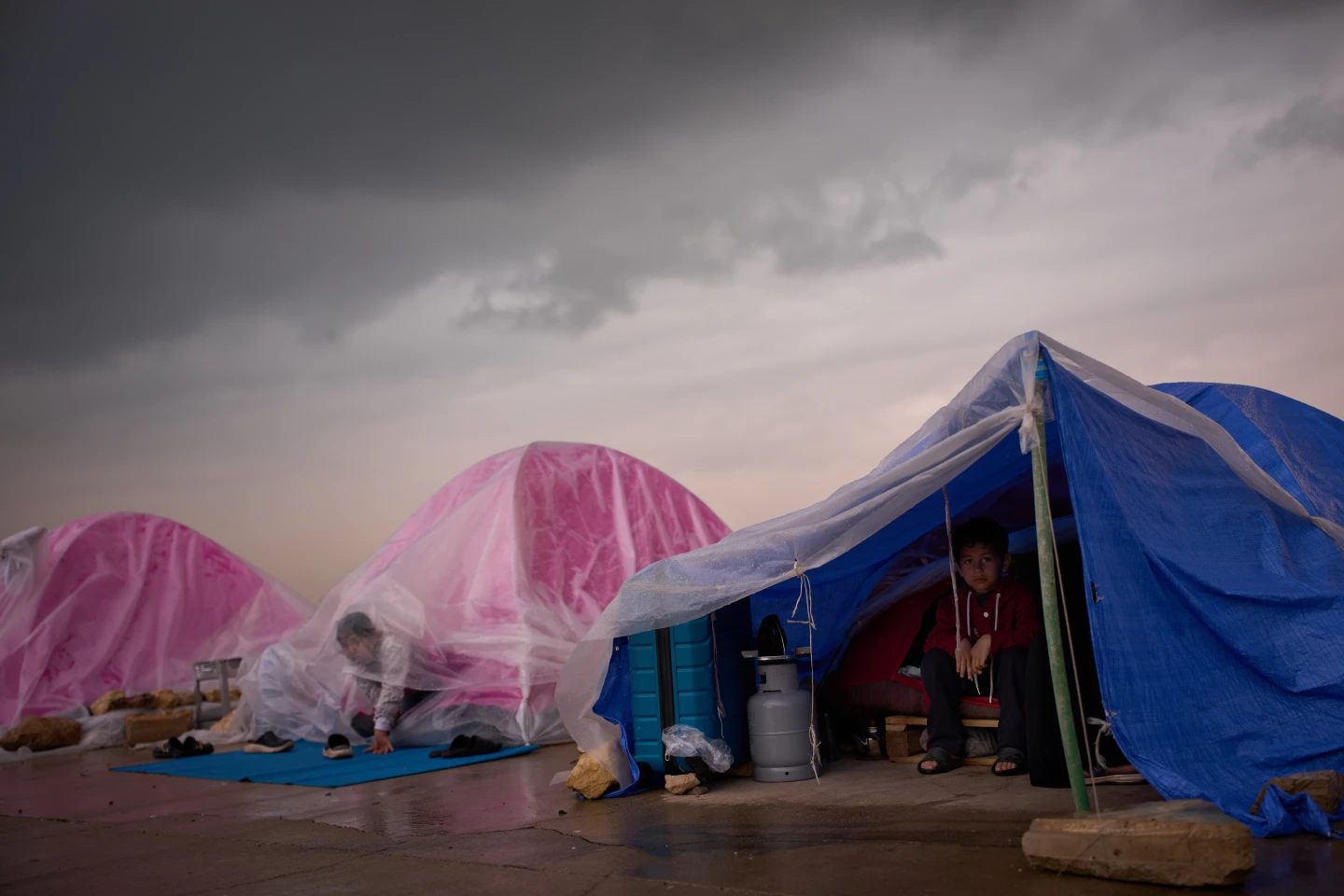
A huge tent encampment has sprouted up in the grassy field between a yacht club and nightlife venue, transforming the Beirut waterfront. Some families squat in storefronts, live in mosques and sleep in the cars they drove here, double- and triple-parking convoys on thoroughfares.
Others huddle in tents pulled together from sheets of tarp along the curving coastal corniche or around Horsh Beirut, a park of pine trees on the outskirts of an area of the southern suburbs known as Dahiyeh.
“It’s horrid because we feel this tension, that we’re not wanted here,” said Noor Hussein, who settled at the waterfront in early March after fleeing the first Israeli airstrikes on Dahiyeh. She watched a stream of well-to-do joggers navigate a maze of tents and soiled mattresses, her three youngest children clambering onto her lap.
“We don’t want to be here,” she said. “We have nothing here and nowhere to go.”
Waves of displacement have upended this city before, most recently during the 2024 Israel-Hezbollah war. But experts struggle to recall such a dramatic exodus — about 20% of the country’s population, according to government statements — hitting Beirut so fast.
“The scale and intensity of this is just unprecedented,” said Dalal Harb, the spokesperson for the United Nations refugee agency in Lebanon. She said the figure of 1 million displaced is almost certainly an undercount because it misses anyone who has not formally registered as displaced with the Ministry of Social Affairs.
The government has converted hundreds of public schools into shelters and pitched tents for displaced families beneath the bleachers of the city’s main sports stadium. Charities have scrambled to help, with one refashioning an abandoned slaughterhouse destroyed in Beirut’s 2020 port explosion into a dormitory for almost 1,000 displaced people.
But urban researchers note a staggering number of people on the streets compared with past conflicts, making it difficult for ordinary residents to block out the war and the misery it has wrought.
“This is relatively new, that you have so many people spending time in these open spaces, who are very vulnerable, living in very precarious conditions,” said Mona Harb, a professor of urban studies at the American University of Beirut. “You have to confront this visually when you’re coming and going to work, to school … and there are strong, mixed feelings associated with this presence that’s unregulated.”
Families say they’ve struggled to find space at government-run shelters in Beirut and would rather brave the elements than travel north to cities where they might find better accommodations but where they have no relatives or connections.

