


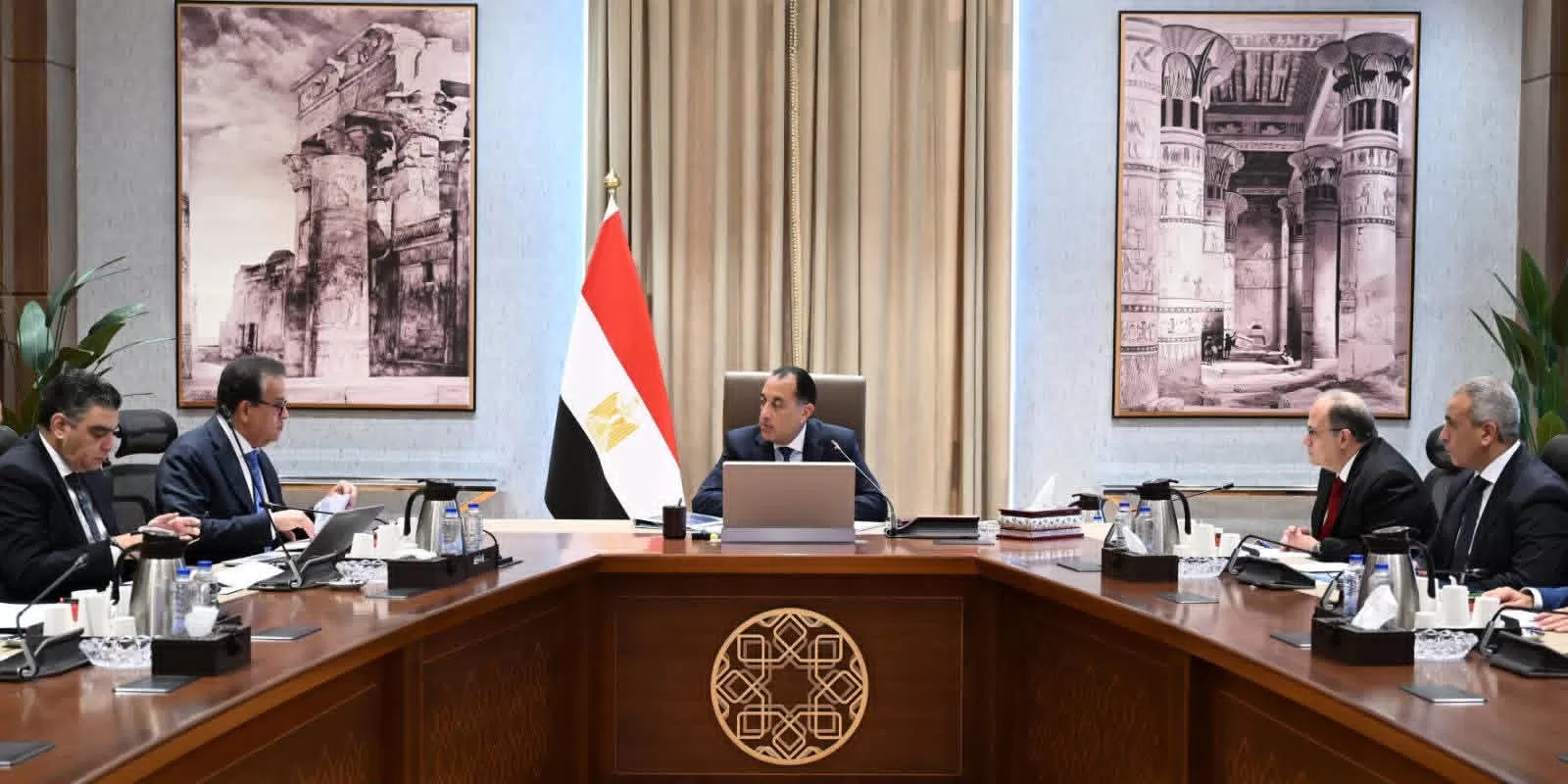
Egypt’s Prime Minister, Moustafa Madbouli, called a high-level meeting on Sunday to review the availability of pharmaceutical products and active pharmaceutical ingredients across the Egyptian market.
Minister of Health and Population, Khaled Abdel-Ghaffar, the Chairman of the Egyptian Drug Authority, Ali el-Ghamrawy, Chairman of the Egyptian Authority for Unified Procurement, Medical Supply, and Medical Technology Management, Hesham Steit, representatives from the Central Bank of Egypt and the Ministry of Finance, as well as senior officials from relevant ministries and entities were present in the meeting.
At the outset, the prime minister emphasised that the meeting aimed to ensure the sustained availability of strategic drug reserves while advancing national efforts to localise the pharmaceutical and medical supplies industry, the Cabinet Spokesman Ambassador Mohamed el-Homosani said in a statement.
He noted that the meeting reviewed a comprehensive report on current stocks of medicines and medical supplies within the Ministry of Health and its affiliated bodies.
The report confirmed that available quantities are sufficient to meet domestic demand for reassuring periods.
These, the spokesman unveiled, include radiology and dialysis equipment, blood bank supplies, vascular and general surgery supplies, stents, cardiac catheterisation materials, as well as ophthalmological and laboratory supplies.
The report also confirmed the availability of medicines across key therapeutic categories, including treatments for circulatory and haematological conditions, anticoagulants, emergency medicines, respiratory and gastrointestinal treatments, seasonal cold medications, obstetrics and gynaecology medicines, diabetes and endocrine treatments, analgesics, and anti-tuberculosis drugs.
Additionally, sufficient supplies were confirmed for vitamins and nutritional supplements, oncology treatments, medications for autoimmune, neurological, dermatological, and mental health conditions, as well as antimicrobials, anaesthetics, blood products, and antihistamines.
The spokesman further noted a 9 per cent growth in the pharmaceutical market, with total package volumes reaching 3.9 billion in 2025 compared to 3.5 billion in 2024.
The meeting also reviewed the status of pharmaceutical raw material supply chains, with daily monitoring of imports amid ongoing global challenges. Despite this, indicators point to relative stability in import volumes.
The operational status of strategic stockpiles managed by the unified procurement authority was also reviewed, confirming sufficient coverage across various treatment sectors.

