



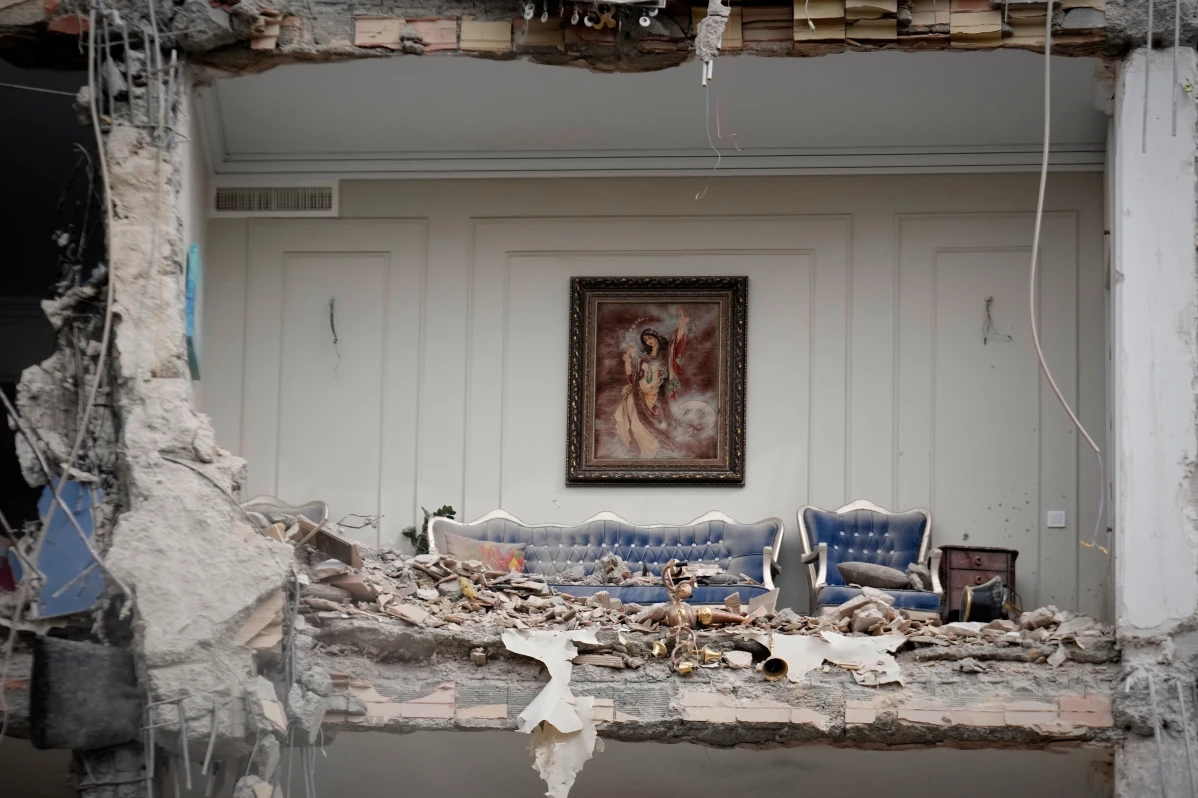
Iranians were already reeling from a shattered economy and the mass killing of protesters when the first US and Israeli bombs slammed into Tehran a month ago.
Now they are struggling to get by through a war with no end in sight, wrestling with lost livelihoods, damage to homes and the stress of explosions.
Many wonder where it is leading — to the destruction of their homeland, the chaotic fall of the theocracy or its survival, wounded but more extreme.
“I think we’ve experienced everything bad possible,” said a 26-year-old designer in Tehran, “from the terrible atmosphere of January and the killings and arrests to the war.”Daily explosions, near and far and unpredictable, shake and damage homes.
Businesses are struggling. An unprecedented internet blackout since January has largely cut people off from the outside world and made communication within Iran more difficult.
The trauma of war comes on top of the shock from January, when hundreds of thousands across Iran marched in the biggest protests against the theocracy in decades — only to be met by security forces opening fire, killing thousands.
Tens of thousands were detained, and arrests have continued.
The AP spoke to 10 people across Iran, most of whom spoke on condition of anonymity for their security.
The designer, who with a partner runs a factory making leather fashion products, said her business was on the verge of closing.
“When the economy gets bad, nonessential goods are the first thing to be removed from the shopping cart,” she said.
Much of her sales are online, and the internet blackout practically reduced “the small sales to zero.”
Since the January protests, she has had to live off her meager savings, and the violence of the crackdown upset her so much she has not been able to return to work.

