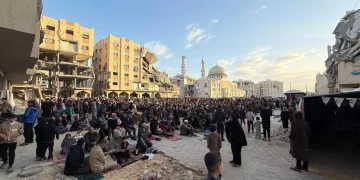



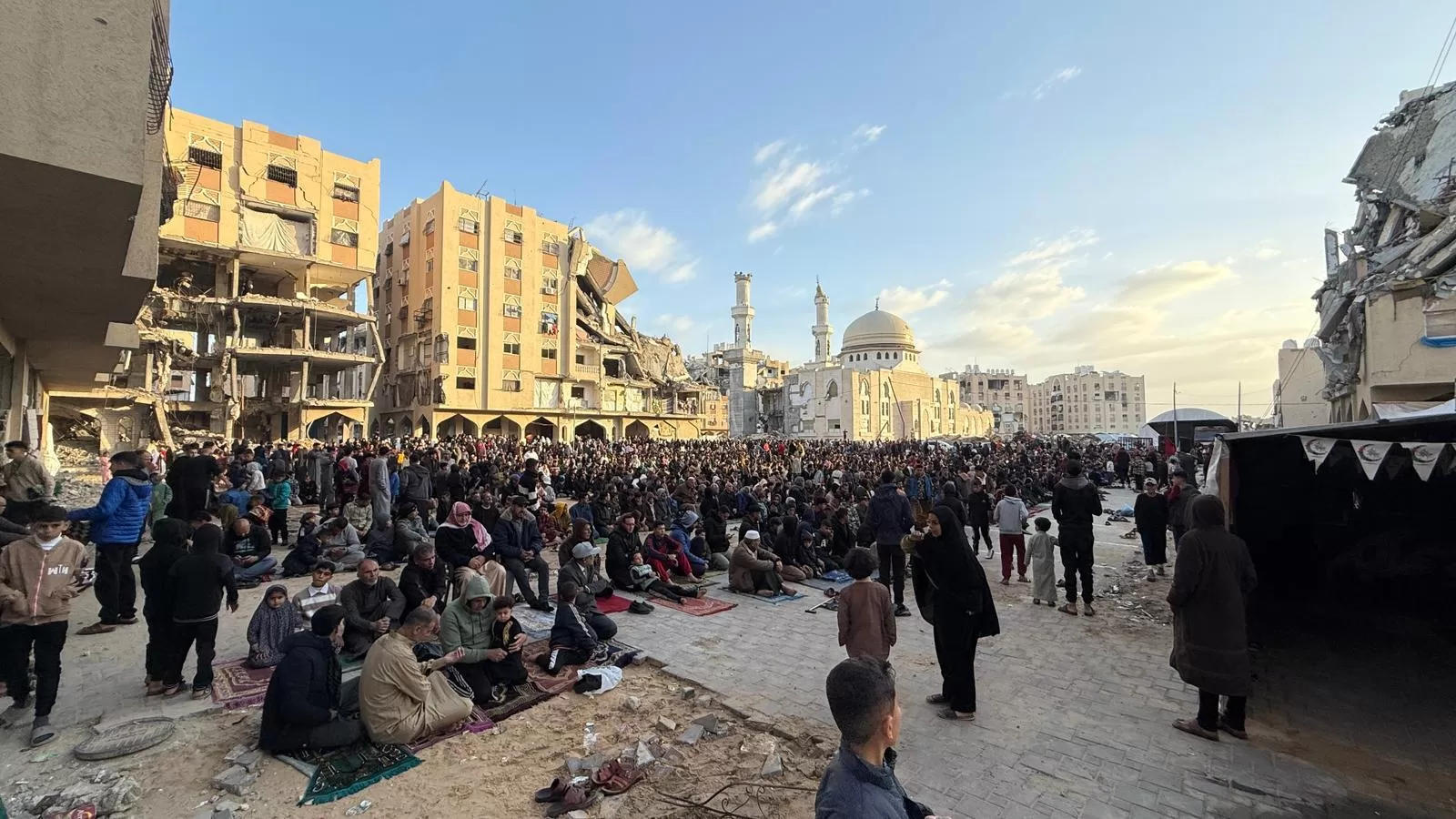
GAZA – Eid al-Fitr (Lesser Bairam) has arrived in the Gaza Strip, but for more than 2.4 million Palestinians, the occasion is marked less by celebration and more by survival, the MNTV reported.
The holiday is unfolding under worsening humanitarian conditions, with severe shortages of food, water, and medicine amid continued Israeli restrictions and widespread destruction.
According to the Palestinian Government Media Office, families are struggling to meet even their most basic needs. Markets remain understocked, clean water is scarce, and medical supplies are critically limited.
What was once a time of joy and communal gathering has, for many, become a daily effort to endure hardship.
Officials say more than 2,000 ceasefire violations have been recorded since October 2025, including shootings, incursions, and airstrikes.
These violations have left at least 677 Palestinians dead and more than 1,800 injured, most of them civilians, further deepening insecurity across the enclave.
Aid delivery remains severely constrained.
Only about 40% of the expected humanitarian and commercial trucks are entering Gaza, far below the level required to sustain the population. Restrictions at the Rafah crossing continue to limit both the movement of people and the entry of essential supplies, compounding an already dire situation.
Officials have warned that continued blockade measures and violations are accelerating the humanitarian collapse and have urged the international community to ensure immediate and sustained aid access.
Despite the hardship, Palestinians across Gaza are making determined efforts to preserve Eid traditions. In displacement camps, families decorate tents with paper chains, ribbons, and small lights, trying to recreate a sense of festivity for their children. Parents are buying small toys or sweets, even in the face of rising prices and limited availability.
Om Mohammed Ashour, a 38-year-old mother displaced from her home, carefully arranges decorations inside the tent where her family now lives.
“This year, we decided to create a festive atmosphere despite all the difficulties,” she said. “Life is very hard, but we want to bring a little joy to our children after everything they have been through.”
Her four children help hang decorations, their laughter offering a brief moment of relief amid the harsh reality of displacement. For many families, such small acts have become essential expressions of resilience.
In Gaza City’s Zawiya market, small stalls display modest selections of clothing, toys, and decorations. Though supplies are limited and prices remain high, the markets reflect a quiet determination among residents to keep life going.
“Seeing the markets active gives residents a sense that life has not completely stopped,” said Hussam Arab, a father of four. “We hope this Eid will mark the beginning of a new era of peace and security in Gaza.”
Yet for many, the celebrations are overshadowed by grief. Abu Mohammed al-Mabhuh, who lost his family in an airstrike, says he will not be marking the holiday.
“Eid is usually a time for family, but I am alone,” he said. “My hope this Eid is that the war ends and people can live in safety.”
The broader toll of Israel’s genocidal war continues to shape every aspect of life. Since October 2023, more than 72,000 Palestinians have been killed, with tens of thousands more injured, according to medical officials.
Entire neighborhoods have been reduced to rubble, and hundreds of thousands of people remain displaced, living in tents or overcrowded shelters with limited access to electricity, sanitation, and healthcare.
Beyond the physical devastation, the psychological impact is severe. Mental health specialists warn that children are particularly vulnerable, facing trauma from repeated displacement, loss of loved ones, and exposure to violence. Aid workers report increasing cases of anxiety and distress, underscoring the long-term human cost of the war.
Still, Eid carries a deeper meaning this year. For many in Gaza, it is less about celebration and more about hope — hope for peace, safety, and the chance to rebuild their lives.
“We do not ask for much, only for our children to live in peace and safety,” said Raed Nassar from Deir al-Balah. “We hope this Eid marks the start of a new period in which stability returns, and people can rebuild their lives.”
As prayers echo across a shattered landscape, Eid in Gaza stands as both a reflection of immense suffering and a testament to enduring resilience. Even under siege, families continue to hold on to faith, community, and the belief that a better future is still possible.

