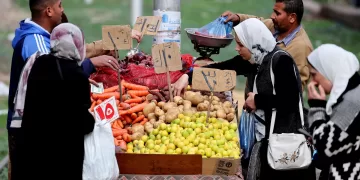



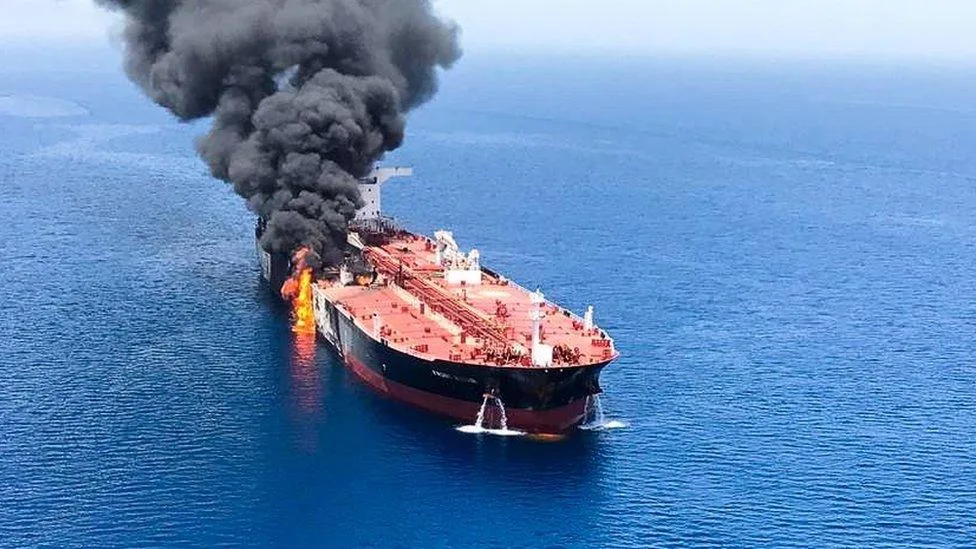






LONDON (Reuters) – Disrupted fertiliser shipments and soaring energy prices from the war in Iran are threatening to unleash a fresh food-price surge across vulnerable nations, risking a years-long setback just as many were recovering from successive global shocks.
Developing countries were strengthening – and attracting investment – after the global pandemic and the Ukraine war sent food, fuel and financial markets into turmoil. Now the Iran conflict threatens to unravel those gains and leave households struggling to feed families.
“This could have a big impact on prices, food prices, over time,” said Odile Renaud-Basso, president of the European Bank for Reconstruction and Development, a core lender across some 40 emerging economies.
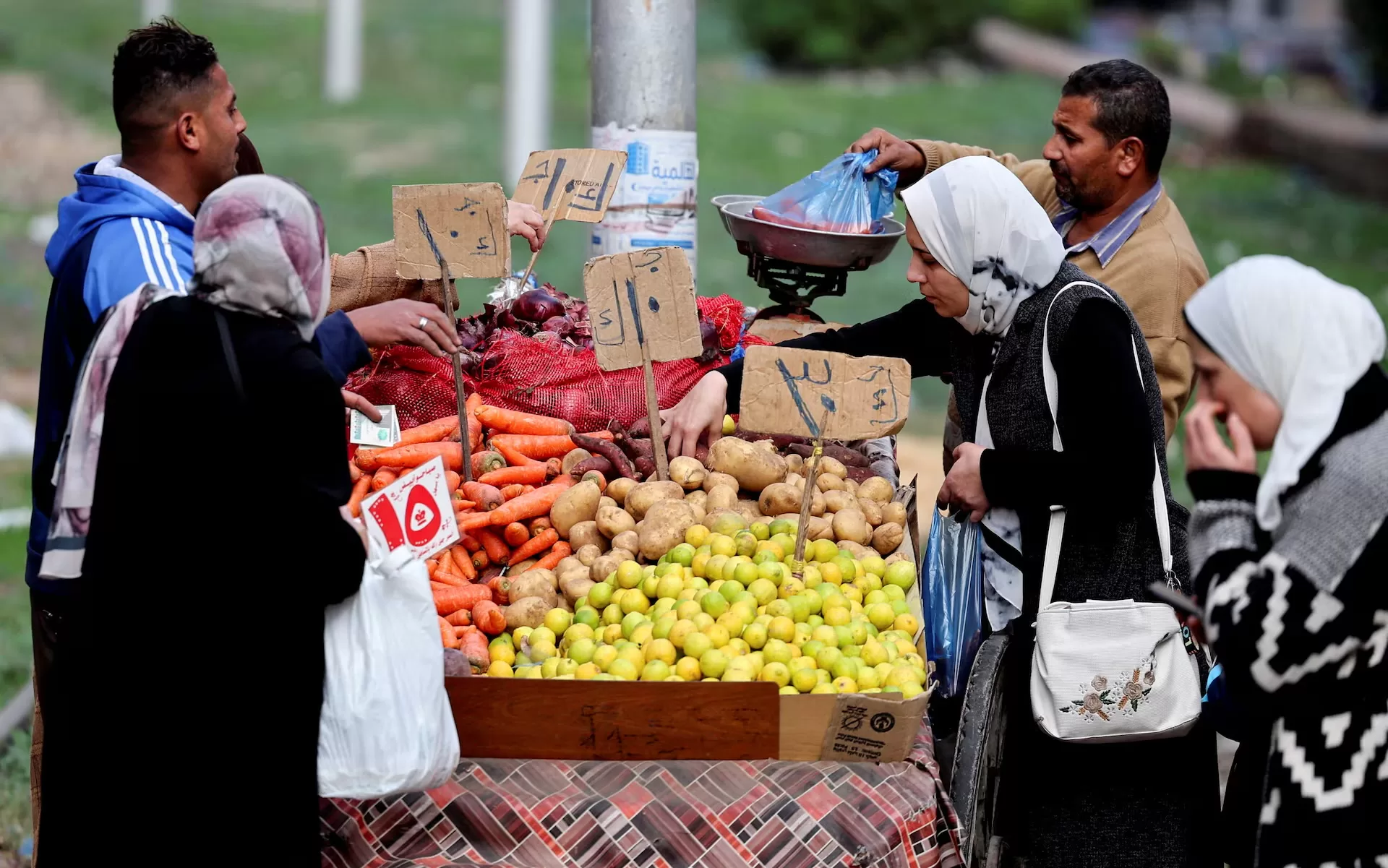
Food and fuel make up less than a quarter of the consumer inflation basket in most developed economies, but account for 30% to 50% in many emerging markets, said Marie Diron, managing director with Moody’s Ratings.
“This exposure leaves many economies particularly vulnerable to externally driven price volatility,” Diron said.
A major pressure point is fertiliser. The Strait of Hormuz, effectively blocked by Tehran, carries some 30% of globally traded fertilisers and Gulf producers are big suppliers of ammonia and urea, according to the UN Food and Agriculture Organization. Bank of America warns that the conflict threatens 65% to 70% of global supplies of urea, and prices are already up 30% to 40%.
“This will affect planting…there will be a lower supply of commodities in the world – of staple cereals, of feed, and therefore of dairy and meat,” Maximo Torero, chief economist with the Food and Agriculture Organization said of the impact if the conflict lasts even just a few more weeks.
“Very few countries are resilient to this.”
Unlike fuel, there are no strategic global stockpiles for fertilisers. But some countries are more exposed than others.
Latin America – far from the war and home to energy and agricultural powerhouses Brazil and Argentina – is somewhat more sheltered, though Brazil’s Agricultural Minister Carlos Favaro warned the country could face fertiliser supply problems. In oil-producing Nigeria, the Dangote fertiliser plant will help cushion the impact.
By contrast, countries such as Somalia, Bangladesh, Kenya and Pakistan typically do not keep large fertiliser stocks and are more reliant on Gulf supply chains. Kenya’s fertiliser costs had already risen some 40%, the FAO said.
Rwanda, which sources much of its fertiliser from the Gulf, is weighing steps to protect its farm sector, Finance Minister Yusuf Murangwa said during a news conference on Monday.
“There’s a lot we are trying to figure out to contain that stress.”
Unlike in 2022, when Russia’s war in Ukraine abruptly hit grain exports from major food producers, higher fertiliser prices, or outright shortages, could cut crop yields, while rising energy prices could feed into production and transportation costs. Benchmark global oil and gas prices have risen more than 50% since the conflict began, hiking input costs across supply chains.
Any hit to fertiliser supply is likely to be felt first in nitrogen‑intensive crops such as corn and wheat, according to data from the International Fertilizer Association. Higher feed costs will eventually spill into everything from bread to poultry and eggs.
“That’s always the issue with these kinds of supply shocks, that you get the energy part first, and as that subsides, you can get the food portion coming through the second wave,” said David Rees, head of global economics at Schroders.

