




Top central banks on Thursday said they stood ready to tackle any surge in inflation with tighter policy as the latest escalation in the Iran war put the Middle East’s vital energy infrastructure in the line of fire, pushing fuel prices higher.
In a rare coincidence of the monetary policy diary, central banks of the United States, Japan, Britain, Canada and the euro zone – effectively the Group of Seven (G7) nations – convened this week, as have counterparts from several emerging economies.
After facing criticism they acted too late to tame a post-Covid jump in inflation exacerbated by the Russian invasion of Ukraine in 2022, policymakers are determined to rein in prices without derailing still-patchy economic growth — and above all to avoid a “stagflation” mix of recession and price surges.
The US Federal Reserve and the Bank of Canada on Wednesday both opted to hold interest rates steady, as did the Bank of Japan, the Bank of England, the European Central Bank and the central banks of Switzerland and Sweden on Thursday.
Yet they made clear they are on alert, wary that rising energy prices could spark a wave of inflation across the wider economy if, for example, it starts to prompt higher wage demands by households fearful of losing purchasing power.
“Monetary policy cannot reverse the shock to (energy) supply,” Bank of England governor Andrew Bailey said in his commentary of the unanimous decision by the bank’s policy-making committee to keep rates on hold.
“Monetary policy must, however, respond to the risk of a more persistent effect on UK CPI inflation,” he added. After the move, traders priced in two 25-basis-point rate hikes by year-end, up from just one prior to the meeting.
In its statement, the ECB said the leap in energy prices prompted it to revise upwards its 2026 inflation forecast for the euro area to 2.6% — above its 2% target — but said the long-term impact was still unclear.
“The war in the Middle East has made the outlook significantly more uncertain, creating upside risks for inflation and downside risks for economic growth,” it said.
US rate hike starts to get priced in
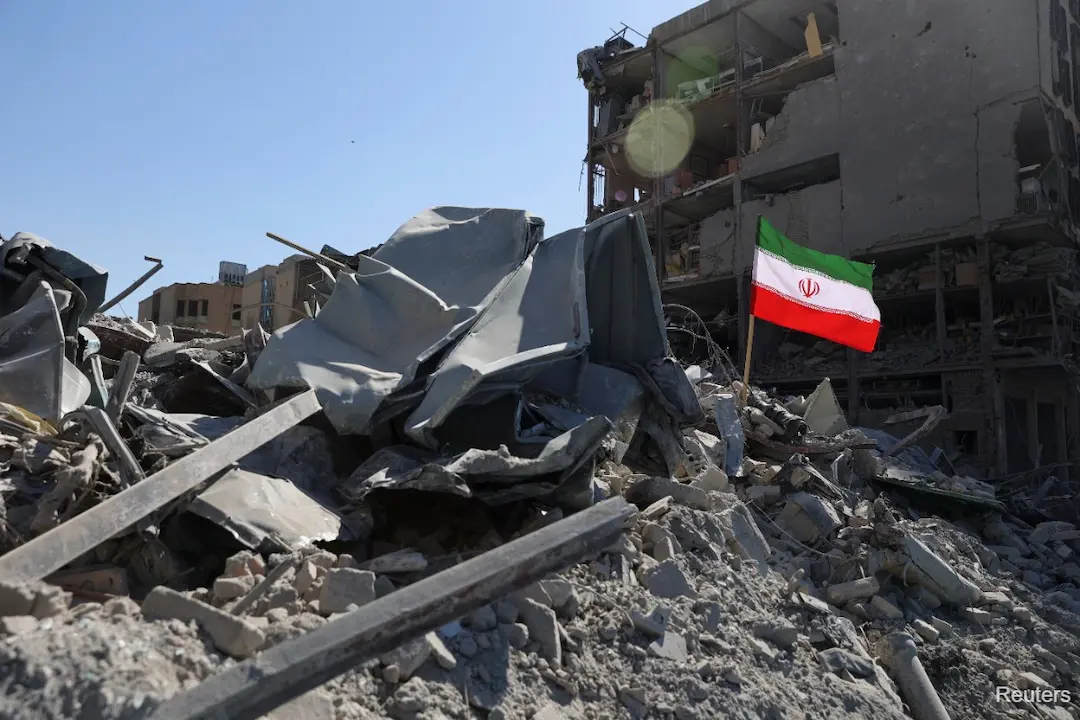
Marking an escalation in the three-week war, Iranian strikes since Wednesday have caused extensive damage to the world’s largest gas plant in Qatar and hit other Gulf infrastructure in retaliation for Israeli attacks on its own gas facilities.
Such strikes already start to make it more likely that the global economy will have to grapple with longer-term damage to energy supplies. But Federal Reserve chairman Jerome Powell noted that quantifying that hit was still impossible.
“In the near term, higher energy prices will push up overall inflation, but it is too soon to know the scope and duration of the potential effects on the economy,” Powell said after the Fed’s 11-1 decision to hold rates in the 3.50%-3.75% range.
His reluctance to say that risks of a weakening job market posed a greater risk to the Fed’s objectives than inflation helped push market rate-cut expectations into 2027 and even raised odds of a hike at the next meeting to 12%.
In Tokyo, Bank of Japan governor Kazuo Ueda said the BOJ would not rule out a near-term rate hike if the expected hit to growth from surging oil costs proves temporary, and does not derail progress in durably hitting the bank’s price target.
“We need to be mindful that recent developments come at a time when companies are already actively pushing up prices and wages, which suggests they could pass on costs more aggressively than after the war in Ukraine,” Ueda told a news conference.
Bank of Canada governor Tiff Macklem struck a similar note: “If energy prices stay high, we will not let their effects broaden and become persistent inflation,” he said.

