



Minister of Transport Kamel el-Wazir has emphasised the need for round-the-clock work to accelerate completion of the second phase of the Bus Rapid Transit (BRT) project, which is expected to enhance mass-transit connectivity across Greater Cairo.
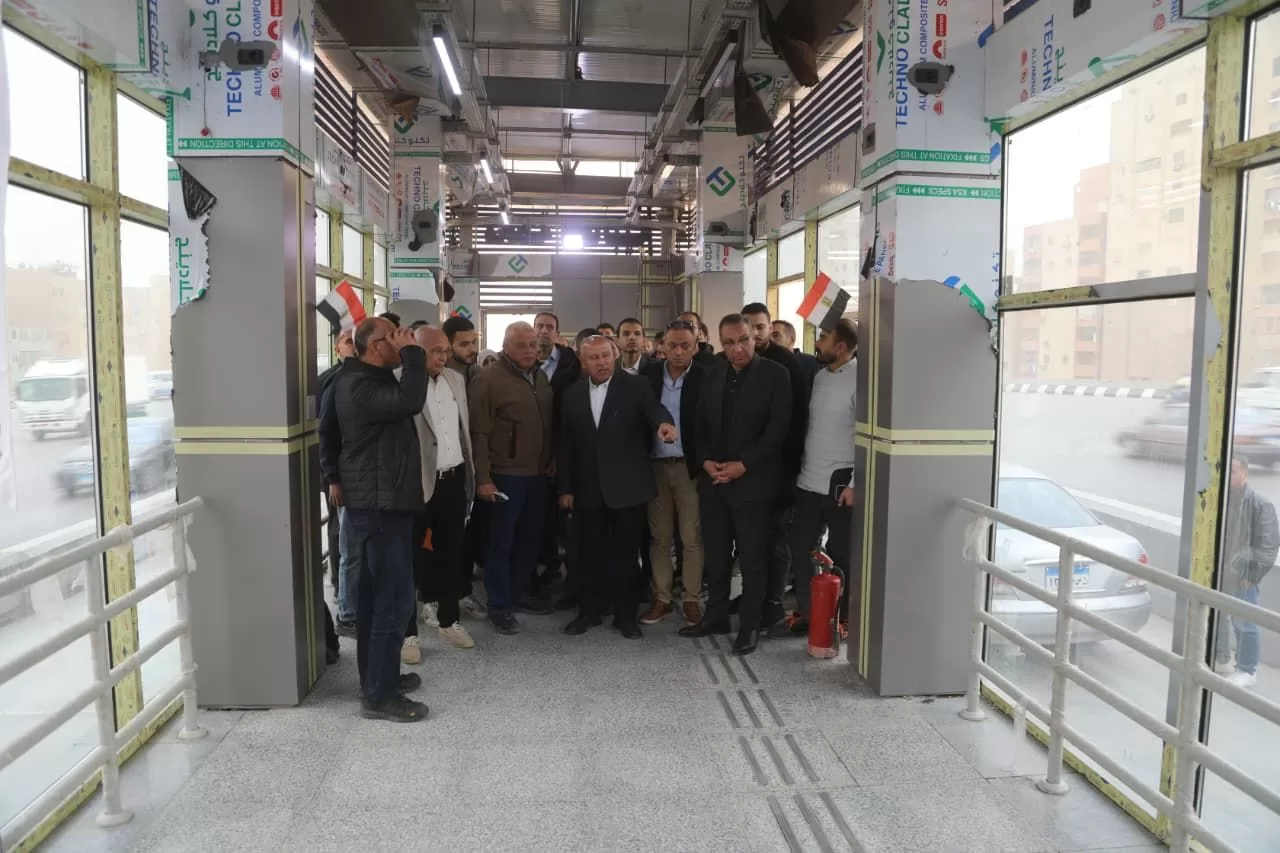
The minister made an inspection tour of the BRT route extending from Field Marshal Tantawi Station to Sun Capital Station, at the intersection of the Cairo Ring Road and Fayoum Road.
In a statement on Sunday, the Ministry of Transport said the second phase spans 40 kilometres and includes 16 stations, part of a total of 48 stations planned across the project’s three phases.
El-Wazir reviewed station facilities, transport stops beneath the Ring Road, passenger access through pedestrian bridges and tunnels, waiting areas, ticketing systems, and electronic boarding gates.
The minister noted that the project is designed to serve key residential and commercial districts, including New Cairo (Field Marshal Tantawi and Golf stations), Maadi (Carrefour Maadi), Mokattam, Omraniya, Talbiya, Mariouteya, Mansouriya, and the Fayoum Road intersection with Oases Road and Ain Sokhna Road.
“The BRT system offers a safe, fast and environmentally friendly mode of transport that encourages citizens to shift from private vehicles, reduces congestion, lowers fuel consumption and improves travel times along the dedicated Ring Road corridor,” el-Wazir said.
The modern fleet of locally manufactured electric buses will connect major transport interchanges, including Suez, Adly Mansour Station, El Marg and Mostorod, linking eastern and western Cairo while providing a direct connection to the New Administrative Capital.
The BRT network will also integrate with Cairo Metro Line 1 (Zahraa and Marg stations), Cairo Metro Line 3 (Adly Mansour and Imbaba stations), and the Cairo Light Rail Transit at Adly Mansour station.
The BRT project serves as an alternative to the previously proposed Cairo Metro Line 5 within Greater Cairo’s urban transport network, el-Wazir noted.
All stations will include transport stops, waiting areas, and commercial zones to serve both nearby residents and BRT passengers, he said.

