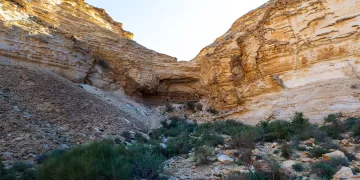




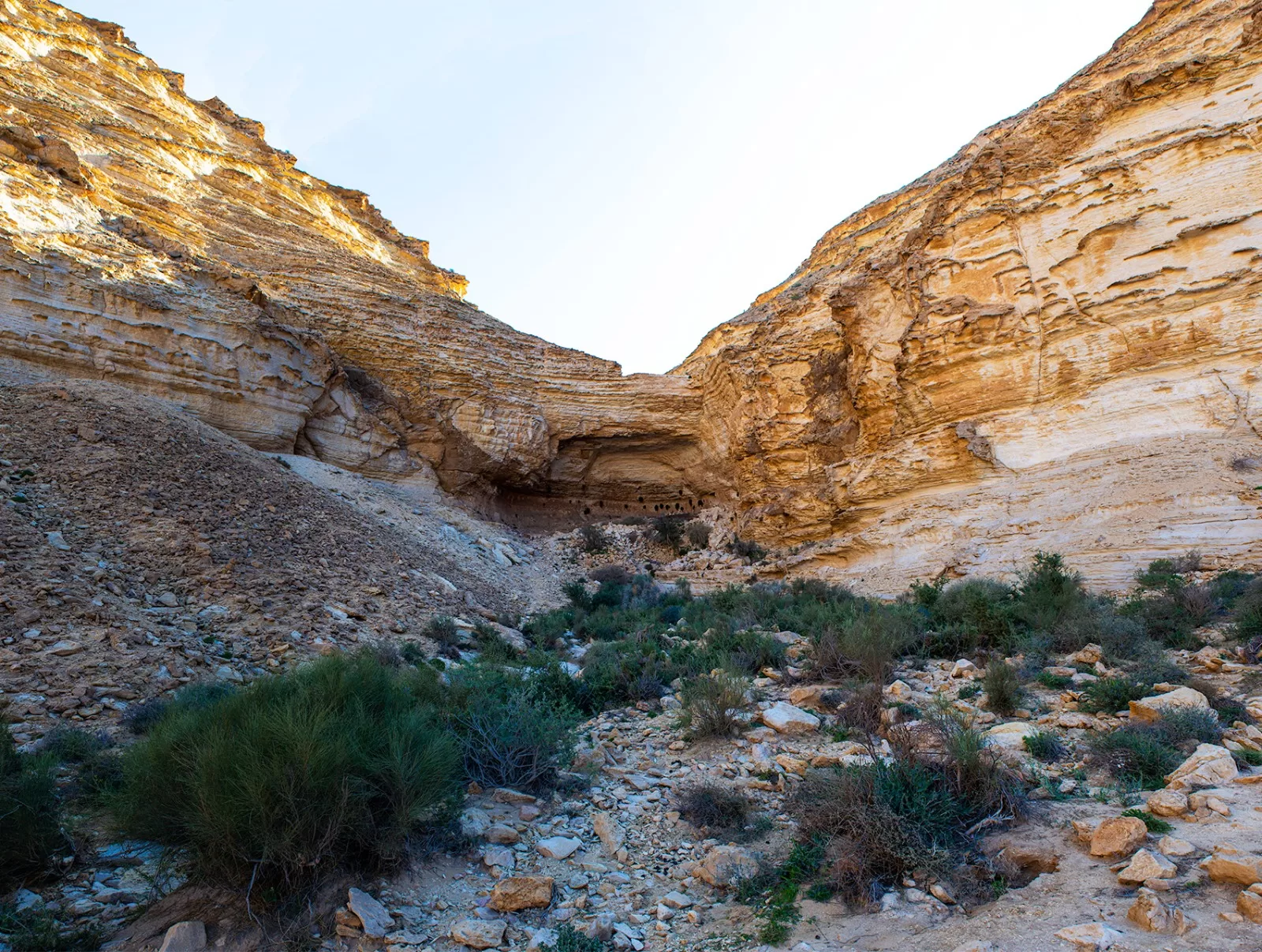
A new study of the ‘Cave of Darkness’ in central northern Sinai has revealed rock art dating back an estimated 15,000 to 16,000 years, placing the site among the oldest known prehistoric art locations in North Africa, according to Egypt’s Supreme Council of Antiquities.
Director of the Sinai Rock Art Documentation Project, Hesham Hussein, told the Middle East News Agency that the newly examined scenes show strong similarities to late Ice Age art found in Europe. The discovery marks only the second time Egypt has uncovered rock art from this period, following earlier finds in Aswan.
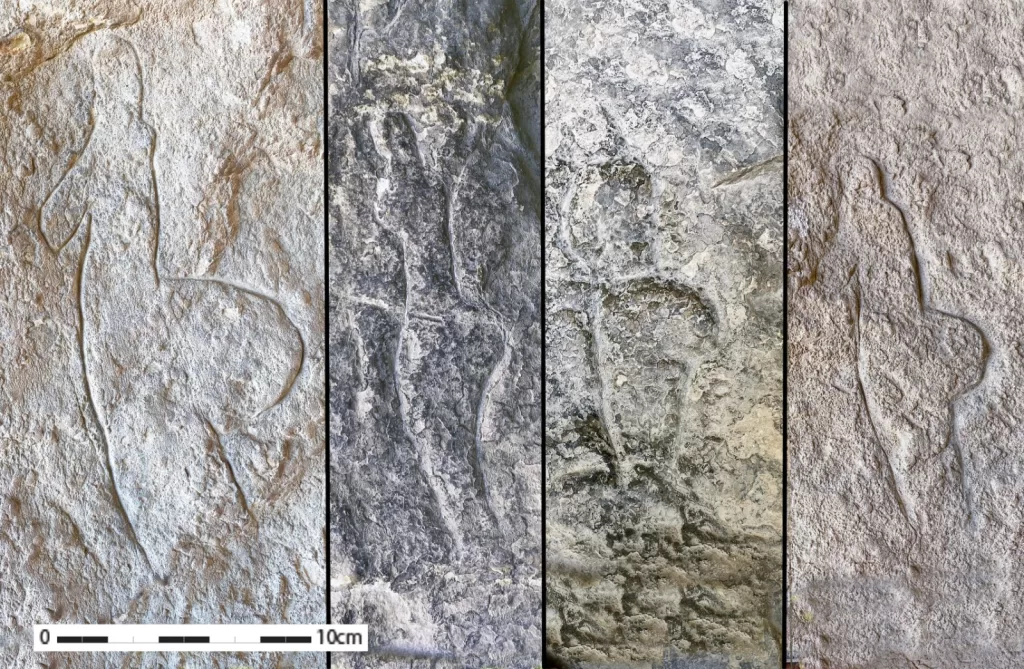
Researchers used high‑resolution 3D digital recording to document the cave’s engravings. Among the most striking images are the so‑called “headless women,” stylized female figures executed with varied techniques and overlapped with animal engravings, indicating multiple phases of artistic activity over thousands of years.
The study also identified an exceptional one‑meter‑long engraving of a large wild bull, displaying three distinct artistic layers. Hussein said this rare evidence of re‑carving suggests evolving artistic traditions among prehistoric communities in Sinai.
Comparisons with dated sites in Aswan confirm that significant portions of the Sinai engravings belong to the late Upper Paleolithic. The findings draw parallels with European cave art traditions, where similar themes, especially large wild bulls are prominent.
Researchers say the discovery expands the known geographic range of Ice Age symbolic art and underscores Sinai’s importance as a center of prehistoric creativity. Hussein added that further studies, including absolute dating and environmental analysis, are planned to better understand the site’s cultural and chronological context.

