



For years, Iran’s theocratic government warned it would blanket the Middle East with missile and drone fire if it felt its existence was threatened.
Now, the Islamic Republic is doing just that.
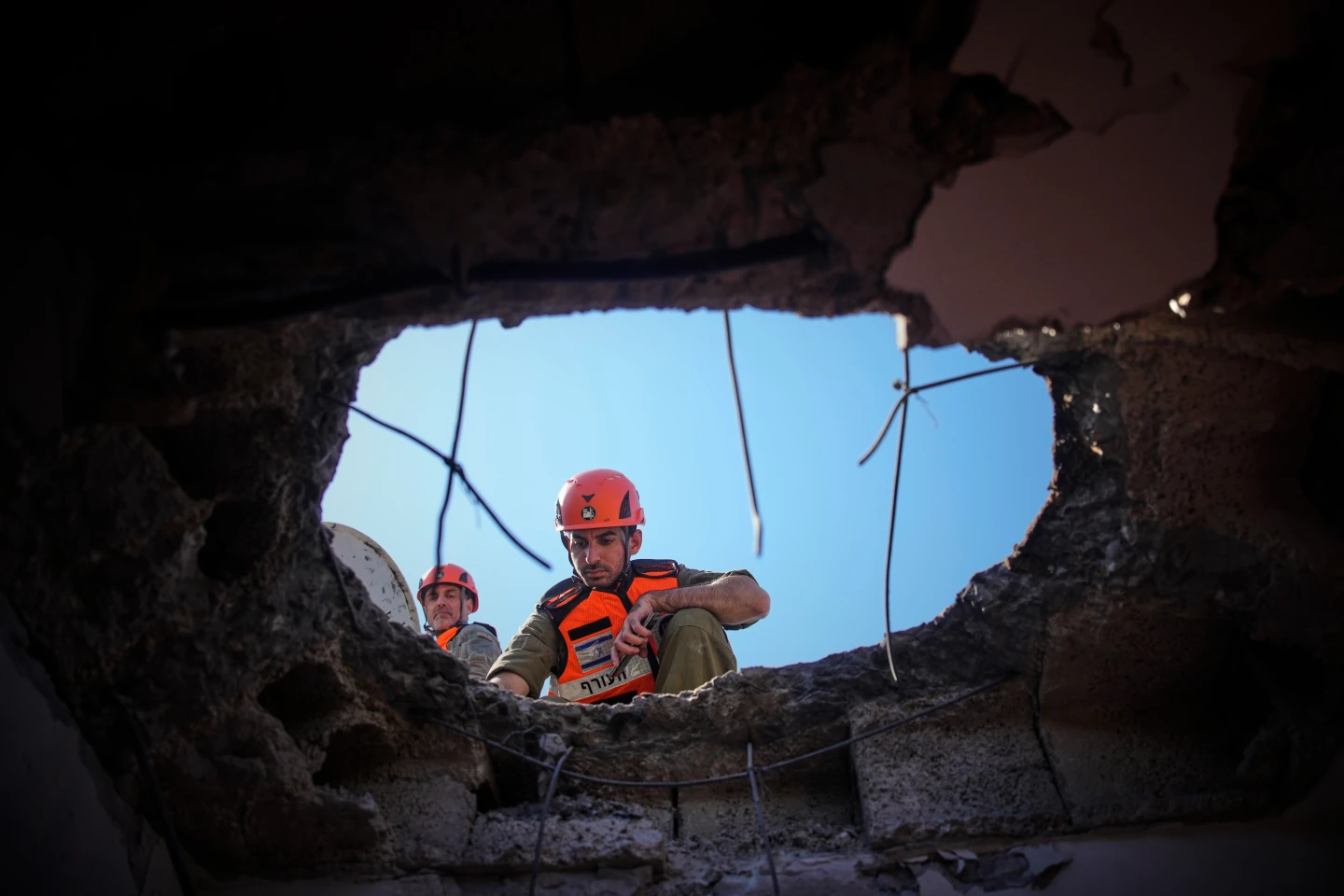
Since the US and Israel launched the war Saturday and killed Iranian Supreme Leader Ayatollah Ali Khamenei, Iran has unleashed thousands of drones and ballistic missiles targeting Israel, American military bases and embassies in the region, and energy facilities across the Persian Gulf. Iranian fire has even been directed over its borders with Turkey and Azerbaijan.
Iran’s basic strategy is to instill fear about the dangers of a widening war in hopes that allies of the U.S. will apply enough pressure to halt their campaign. A protracted conflict, along with American and Israeli casualties, could also work in Iran’s favor.
Trouble is, the barrage-thy-neighbours strategy also could backfire.
A bid to wear down regional defenses and instill fear
Iran’s first priority is to emerge from the war with its state institutions intact, said Ellie Geranmayeh, deputy director of the Middle East and North Africa program at the European Council on Foreign Relations.
“Iran is upping the costs for this US military campaign and regionalising it from the get-go, as they promised they would if America restarts the war again with Iran,” she said. The US joined Israel last June in a 12-day war, targeting nuclear enrichment sites. Iran maintains its program is peaceful, though its officials had threatened to pursue a bomb while enriching uranium to near-weapons-grade levels.
Iran’s leaders believe that by inflicting casualties and disrupting energy production to drive up oil and gas prices, America’s allies or an unsettled public back home will pressure US President Donald Trump to ease back.
“The Iranians are banking on basically out-stomaching him, and exhausting him and his allies to the point where they would basically have a diplomatic off-ramp,” Geranmayeh said. Trump is unpredictable, Geranmayeh said, but for now he appears to be pressing for “unconditional surrender to his demands, rather than a negotiated settlement.”
The US and Israel have carried out hundreds of airstrikes and inflicted heavy damage on Iranian government, military and nuclear targets. Despite being greatly outgunned, Iran has continued to fire ballistic missiles into Israel, killing 11 people and disrupting life for millions of Israelis. More have been killed in the Gulf Arab states, and the US-Israeli campaign has killed 1,045 people in Iran.
After more than two years of war in the Gaza Strip, the Israeli public appears to have little appetite for another lengthy round of fighting. Polls suggest the US public is leery of a protracted conflict.

