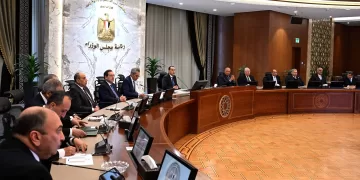







Prime Minister Moustafa Madbouli stressed the government’s commitment to close coordination with Parliament.
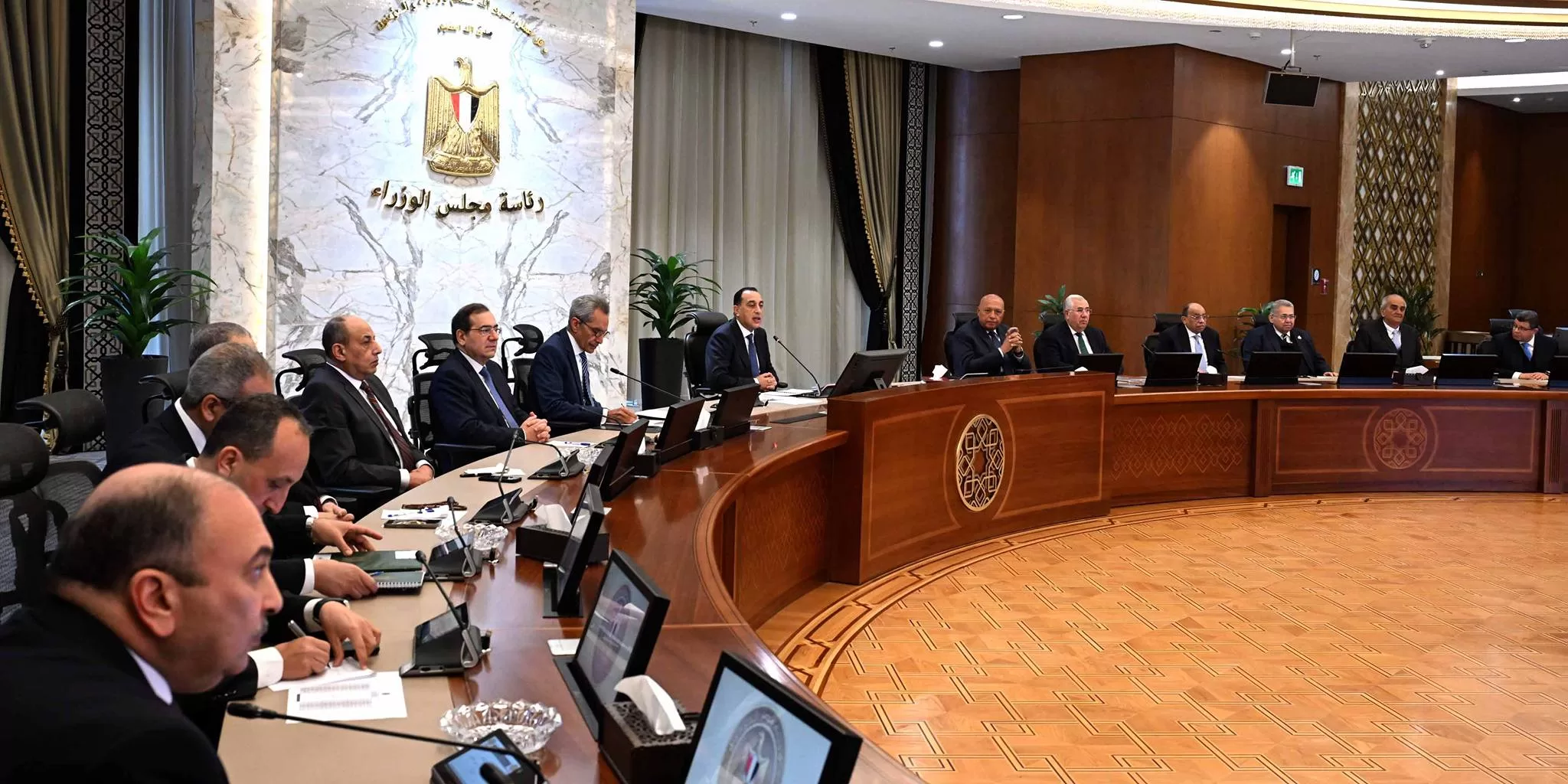
The prime minister was speaking during his first meeting on Tuesday with the heads of the specialised committees of the House of Representatives in the third legislative term.
Madbouli underlined the government’s readiness to consider proposals and recommendations that serve the nation and its citizens. He stressed that all ministers and governors have been instructed to respond promptly to MPs’ inquiries and actively participate in committee and plenary sessions to strengthen policy coherence.
Turning to Egypt’s economic performance, the prime minister highlighted that the country achieved a 5.3 per cent growth rate in the second quarter of the current fiscal year, the highest since Q3 of FY 2021-2022, despite unprecedented regional and global challenges. He outlined the 2026-2027 state budget pillars, focusing on deepening partnerships with the business community, balancing growth with competitiveness, maintaining fiscal discipline, and creating fiscal space to expand social protection programmes, support human development, and improve living standards.
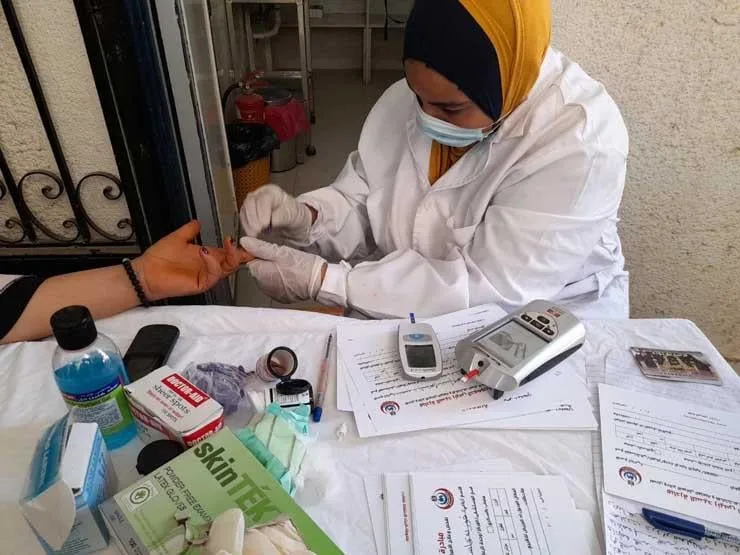
Madbouli also detailed the new social protection package, which President Abdel Fattah El Sisi has directed to be implemented urgently. The package, valued at LE40 billion from government surpluses, includes a dedicated LE15 billion allocation for the “Hayah Karima” initiative, aiming to improve living conditions for over 60 million Egyptians across more than 4,500 rural villages. The prime minister emphasised that lessons from the first phase have been carefully studied to ensure smoother and more efficient implementation in the next stages.
He concluded by highlighting the government’s proactive measures to manage regional developments, including monitoring strategic food and energy reserves, ensuring electricity stability, supporting Egyptian nationals abroad, and maintaining operational readiness across airports and air navigation systems. Madbouli reaffirmed that strong legislative-executive coordination is essential to safeguard Egypt’s stability, enhance resilience, and protect citizens’ welfare in a rapidly changing regional environment.

