






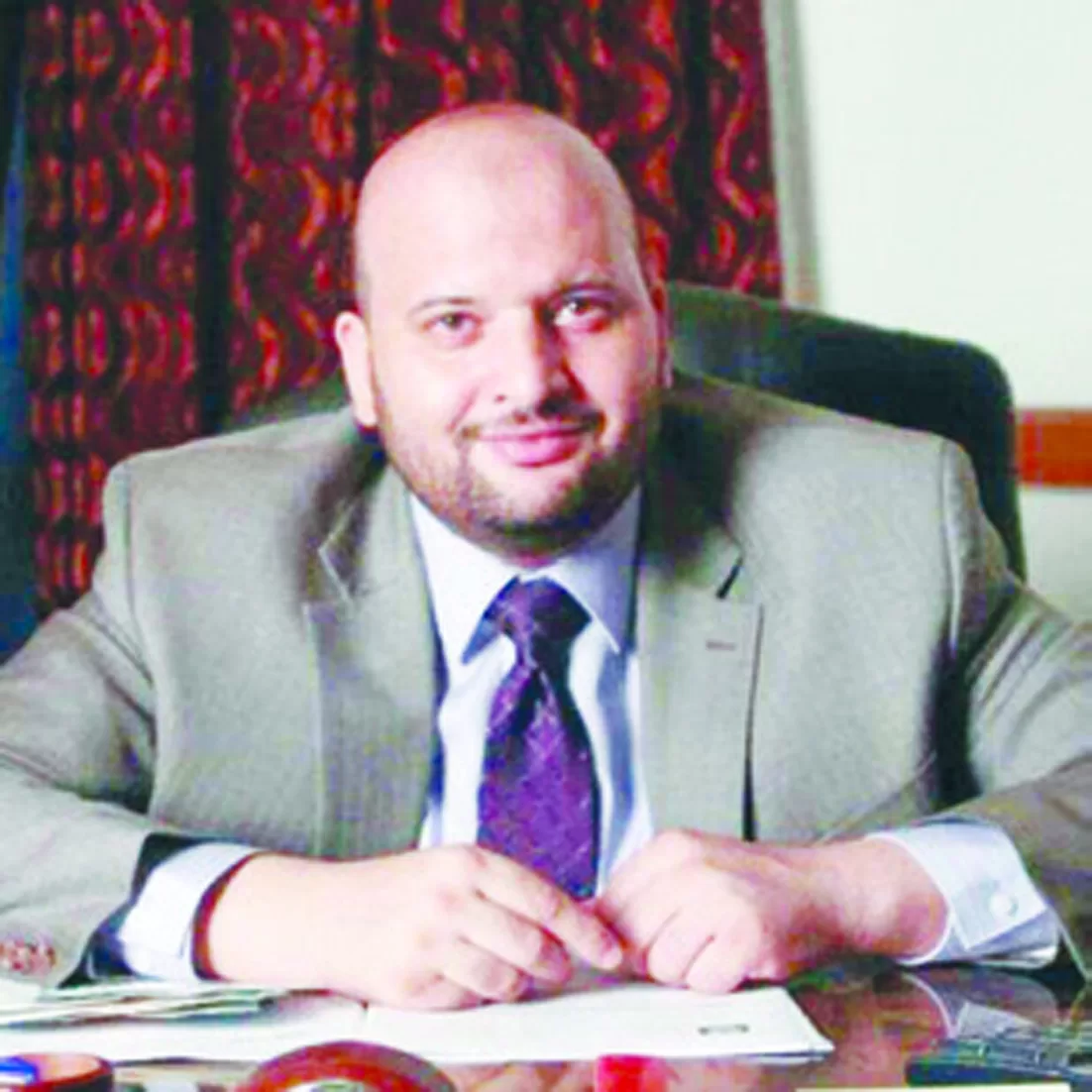
Ibrahim Negm
Senior Advisor to the Grand Mufti of Egypt
Ramadan is the only month in the year that does not simply pass through Egypt; it passes through our hearts, rearranging what we love, what we fear, and what we hope for. It arrives like a familiar guest, yet every time it brings new questions to our souls: What have you done with the past year? Who have you become? And who do you still want to be before God?
For many people, the Islamic calendar is a sequence of dates. For Egyptians, Ramadan is an atmosphere. You sense its approach long before the crescent is sighted: in the soft glow of lanterns returning to shopfronts, in the vendors testing their speakers with Qur’an recitation at dusk, in the quiet anticipation on the faces of families planning how they will spend these precious nights. It is as if the country gradually lowers its voice to hear something more subtle than traffic and headlines — the whisper of a heart turning back to its Lord.
One of Ramadan’s greatest spiritual gifts is its power to reset our relationship with time. For eleven months, our clocks are governed by work, deadlines, and worldly obligations. In Ramadan, Cairo’s rhythm changes: the day stretches patiently toward sunset, the night opens wide for worship, and the hours between fajr and sunrise become a hidden garden for those who seek intimacy with God. Time stops being a commodity we spend and becomes a trust we will one day answer for. In that shift, many discover that they are capable of a discipline, a tenderness, and a God-consciousness they had thought beyond their reach.
Ramadan in Egypt also exposes the truth that faith is not an individual project but a shared journey. When you are stuck in traffic at the adhan of maghrib and strangers hand out dates and water through open car windows, you realise that spirituality here is not locked behind doors. It spills into the streets. When apartment blocks erupt in a chorus of “Bismillah” at iftar, even the loneliness of those breaking their fasts alone is softened by the knowledge that millions are doing the same, at the same moment, for the same reason. This shared intention creates a moral climate that is almost tangible: people watch their tongues more carefully, restrain their anger more easily, and remember that God is watching not only what they do, but who they are becoming.
Another gift of this month is that it teaches us to see need differently. Outside Ramadan, poverty is often a statistic to debate or a problem to manage. In Ramadan, it is a face at the door, a tray sent next door, a stranger seated beside you at a charity iftar. The fast strips away the illusion that we are self-sufficient. When hunger visits the rich and the poor alike, we remember that every full plate is an amana, a trust. Egypt’s long habit of generosity in this month — from simple home-cooked iftars shared with neighbours to large public tables — is not just a social custom; it is an annual training in mercy. It quietly asks each of us: what would it mean for this month’s generosity to become your year-round character?
Spiritually, Ramadan reveals a version of ourselves that many had lost hope in. The smoker who once said, “I could never quit,” puts down the cigarette from dawn to sunset. The person who has not opened the Qur’an since last Ramadan suddenly finds the strength to complete an entire reading. The youth who struggle to pray on time during the year find themselves standing through long nightly prayers, tears slipping down their faces as verses they have heard since childhood suddenly land with new force. Ramadan does not give us a different self; it introduces us to our truer one — the self that appears when distractions are silenced and the heart is reminded why it was created.
Perhaps the most precious gift of all is hope. We live in a world that often feels loud, harsh, and unforgiving. Yet Ramadan returns each year with the same quiet promise: no matter how far you have drifted, the way back is still open. The doors of repentance are not locked, your past does not define your eternal future, and God’s mercy is always greater than your mistakes. Egyptians sense this collectively. You hear it in the supplications after taraweeh, see it in the resolve of people who decide to reconnect with family, repair broken relationships, or abandon harmful habits. Ramadan becomes a national conversation with God, carried on from millions of tongues, in a thousand different accents, yet all saying the same thing: “Lord, we are tired of being far. Bring us near.”
When this month departs, the question that remains is simple and demanding: what of Ramadan will stay with us? The challenge is not to preserve the schedules or the menus, but to preserve the softened heart, the cleaner tongue, the more generous hand, and the clearer sense of purpose. If even a fraction of Ramadan’s light remains in our homes, our institutions, and our streets, then Egypt does not merely host this month; it carries its fragrance into the rest of the year.
If we allow it, Ramadan will do more than change how we eat and sleep. It will change how we belong to God, and how we belong to each other. And perhaps that is Egypt’s greatest spiritual gift in this month: it shows the world that when a society opens its doors to the Divine Guest, an entire people can rise — together — a little closer to heaven.

