




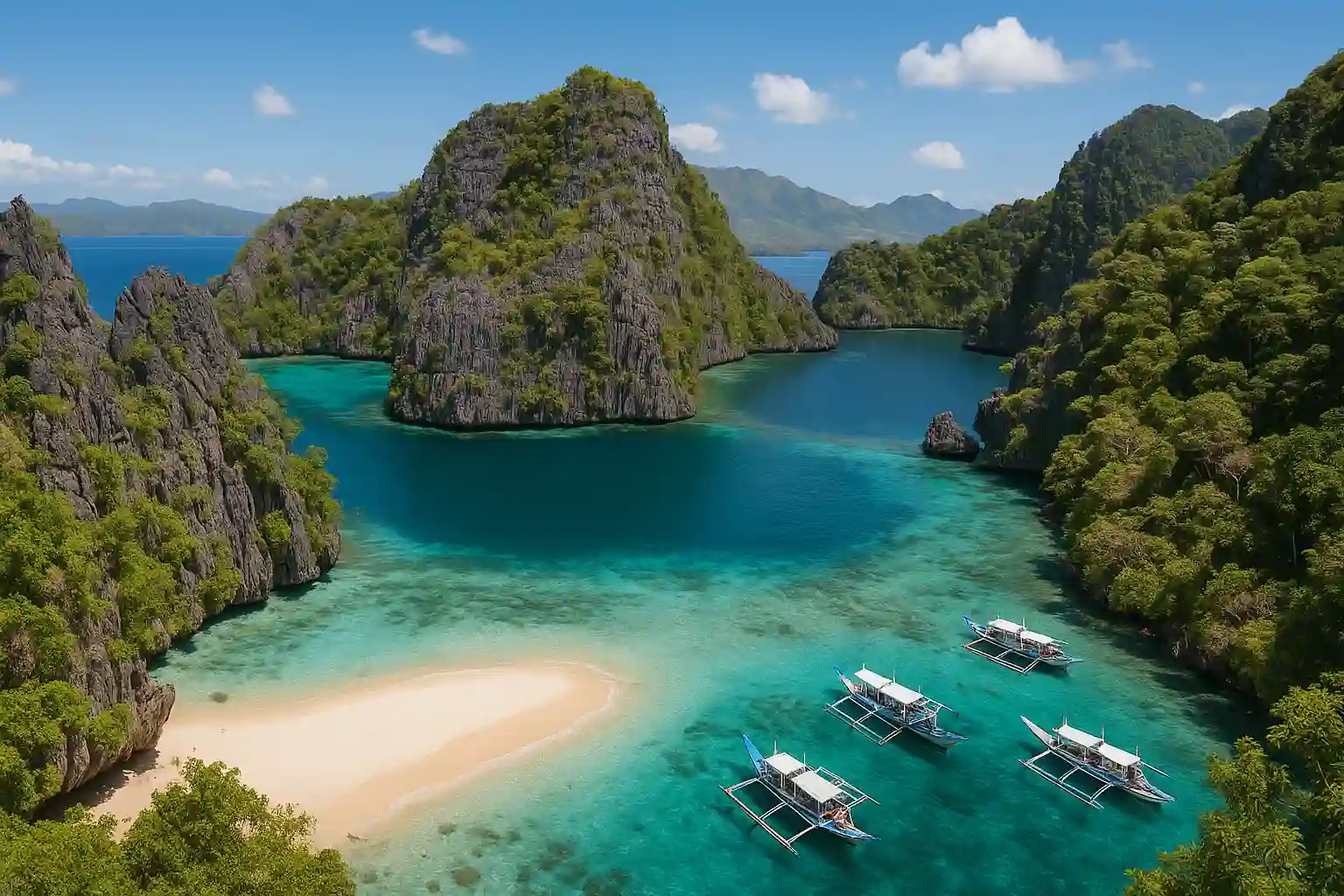
The Philippines is a tropical paradise made up of over 7,000 islands, each offering its own unique blend of pristine beaches, crystal-clear waters, and vibrant marine life. Island hopping has become the quintessential way to experience the archipelago’s natural beauty, allowing travelers to discover hidden lagoons, secluded coves, and thriving coral reefs all in a single day. Whether you’re a seasoned adventurer or a first-time visitor, navigating the vast options can feel overwhelming. This comprehensive guide will help you plan the perfect island-hopping adventure across this stunning Southeast Asian destination.
Choosing Your Base Location
Your island-hopping experience largely depends on where you choose to stay. El Nido in Palawan remains one of the most popular starting points, offering dramatic limestone cliffs and emerald waters that seem almost unreal. Coron, also in Palawan, attracts divers and history buffs with its World War II shipwrecks and mirror-like lakes.
For those seeking a more developed tourism infrastructure, Boracay provides easy access to nearby islands while maintaining its reputation for powdery white sand. Meanwhile, Siargao has emerged as a favorite among surfers and those looking for a more laid-back vibe. Each location offers different island-hopping routes, so consider what type of experience you want before booking your accommodation.
Best Time to Visit
Timing your trip correctly can make or break your island-hopping adventure. The dry season from November to May offers the most reliable weather, with March and April being particularly ideal for calm seas and excellent visibility. During these months, you’ll encounter fewer cancellations and enjoy smoother boat rides between islands.
The wet season from June to October brings occasional typhoons and rougher waters, which can limit your options. However, this period also means fewer tourists and lower prices. If you’re flexible with your schedule and don’t mind occasional rain showers, you might find some excellent deals on Philippines island hopping tours during the shoulder months of June and November.
What to Pack for Island Hopping
Packing smart ensures you’re comfortable and prepared for a full day on the water. Start with reef-safe sunscreen to protect both your skin and the delicate marine ecosystems you’ll be visiting. A waterproof bag or dry sack is essential for keeping your phone, wallet, and other valuables safe from splashes and unexpected waves.
Don’t forget a good pair of water shoes, as many beaches have rocky or coral-covered entries. Quick-dry clothing, a wide-brimmed hat, and polarized sunglasses will keep you comfortable throughout the day. Most tour operators provide snorkeling gear, but bringing your own ensures a better fit and hygiene standards you’re comfortable with.
Understanding Tour Options
Island-hopping tours typically come in standardized packages labeled as Tour A, B, C, and sometimes D, depending on your location. These tours visit different island clusters and attractions, so research what each includes before booking. Some focus on snorkeling and marine life, while others emphasize beach relaxation or lagoon exploration.
Private tours offer more flexibility in timing and destinations, though they come at a premium price. Joining group tours is budget-friendly and provides opportunities to meet fellow travelers. Many operators now offer customizable options where you can mix and match destinations, giving you the best of both worlds.
Respecting the Environment
The Philippines’ natural beauty faces constant pressure from tourism, making responsible travel more important than ever. Always follow the “leave no trace” principle by taking all trash with you and avoiding touching or standing on coral reefs. Many areas have implemented environmental fees that directly support conservation efforts.
Choose tour operators who demonstrate environmental responsibility through proper waste management and sustainable practices. When snorkeling, maintain a safe distance from marine life and never feed fish, as this disrupts their natural behavior. Small actions from every visitor collectively make a significant difference in preserving these islands for future generations.
Making the Most of Your Experience
Start your island-hopping days early to avoid crowds and experience the best lighting for photography. Bring plenty of water and snacks, though most tours include lunch and refreshments. Don’t rush through each stop; take time to swim, snorkel, and simply soak in the surroundings.
Engage with your boat crew and guides, who often know secret spots and can share fascinating local knowledge. They can point out marine life you might otherwise miss and suggest the best angles for those Instagram-worthy shots. Tipping is appreciated when service is good, typically around 10 percent of the tour cost.
Conclusion
Island hopping in the Philippines offers an unparalleled opportunity to experience some of the world’s most spectacular tropical scenery. With proper planning, respect for the environment, and an adventurous spirit, you’ll create memories that last a lifetime. The key is choosing the right base location, timing your visit well, and selecting tours that match your interests and budget. Now that you’re equipped with this knowledge, it’s time to start planning your Philippine island-hopping adventure and discover why this archipelago captivates travelers from around the globe.

