


In a few minutes, 22 mummies will be transferred from the Egyptian Museum in Tahrir to the National Museum of Egyptian Civilization in Fustat. Take a look at some of the most prominent kings and queens that will be transferred tonight in a historical ‘golden parade’.
1. Queen Hatshepsut
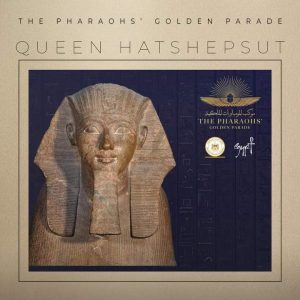
Queen Hatshepsut was the 5th pharaoh of the 18th Dynasty of Egypt. She was the second historically confirmed female pharaoh, the first being Sobekneferu. Hatshepsut came to the throne of Egypt in 1478 BC.
As pharaoh, Hatshepsut extended Egyptian trade and oversaw ambitious building projects, most notably the Temple of Deir el-Bahri, located in western Thebes, where she would be buried.
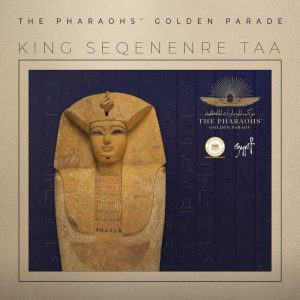
2. Seqenenre Tao II, “The Brave”, who reigned over southern Egypt, famously led troops against the Hyksos, a dynasty of west Asian origin that had taken over the Nile Delta.
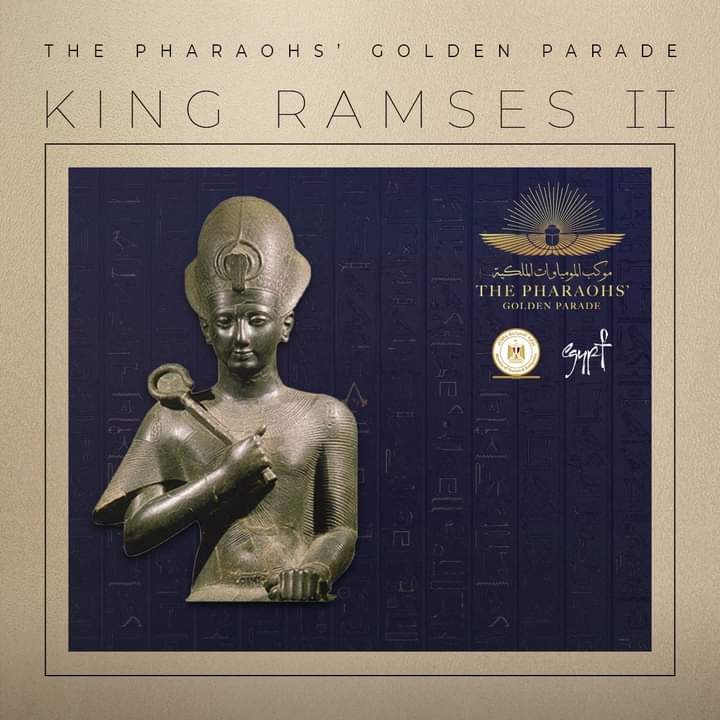
3. Ramases || (1213-1297 BC) was known as Ramesses the Great. He was buried in the valley of the Kings. It is believed that he was the Pharaoh who dealt with Moses in Exodus.

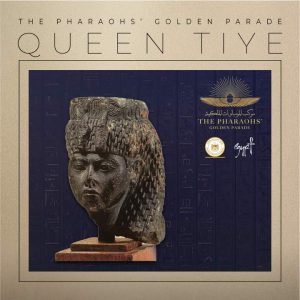
4. Queen Tiye (also known as Tiy, 1398-1338 BCE) was a queen of Egypt of the 18th dynasty, wife of the pharaoh Amenhotep III, mother of Akhenaten, and grandmother of both Tutankhamun and Ankhsenamun. She exerted an enormous influence at the courts of both her husband and son and is known to have communicated directly with rulers of foreign nations.
The Amarna letters also show that she was highly regarded by these rulers, especially during the reign of her son. Although she believed in the traditional polytheistic religion of Egypt, she supported Akhenaten’s monotheistic reforms, most likely because she recognized them as important political stratagems to increase the power of the throne at the expense of the priesthood of Amun. She died in her early sixties and was buried in the Valley of the Kings. Her mummy has positively been identified as that known as the ‘Elder Lady’, and a lock of her hair, possibly a keepsake of the young king’s, was found in Tutankhamun’s tomb.
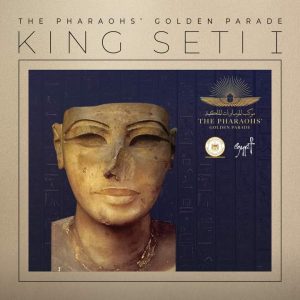
5. King Seti I (reigned 1291-1279 BC), is the 2nd ruler of the 19th Dynasty, the son and successor of King Ramses I (ruled
1293-1291 BC). From 1292 BC he ruled as coregent with his father for a short time. He tried to recover some Syrian possessions Egypt had lost during the internal dissensions at the close of the 18th Dynasty. Later in his reign, Seti conquered Palestine, defended his western frontier
against the Libyans, and fought against the Hittites. Seti’s magnificent tomb in the Valley of the Kings, near Thebes, and his temple at Abydos
are impressive architectural monuments. His mummy was found in 1881 at Dayr al Bahari.


Discussion about this post