








CASABLANCA, Morocco — Egypt head coach Hossam Hassan expressed pride in his players’ performances at the 2025 Africa Cup of Nations in Morocco, stressing that the Pharaohs will build on the positives shown during the tournament as they shift focus to upcoming challenges, foremost among them the World Cup qualification campaign.
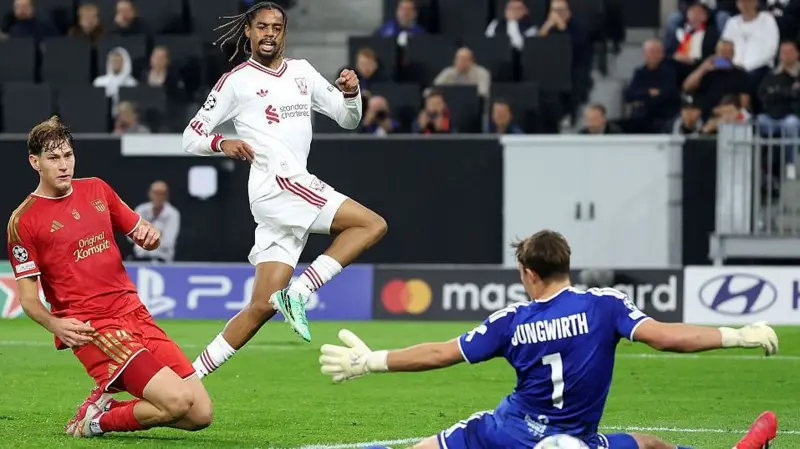
The Pharaohs concluded their AFCON campaign in fourth place after suffering a heartbreaking 4-2 penalty shootout defeat to Nigeria in the third-place playoff, following a goalless draw in regulation time.
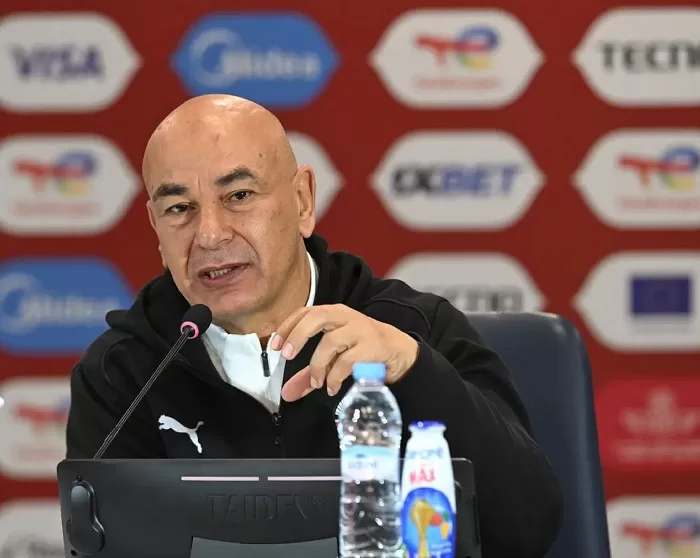
Speaking after the match, Hassan praised his side’s display against a formidable Nigerian team, stressing that fine margins ultimately decided the contest.
“It was a very evenly matched game against a strong opponent,” Hassan said. “Both teams were well organised and disciplined. We controlled several phases of the match, but games at this level are often decided by details — and this one was settled by penalties.”
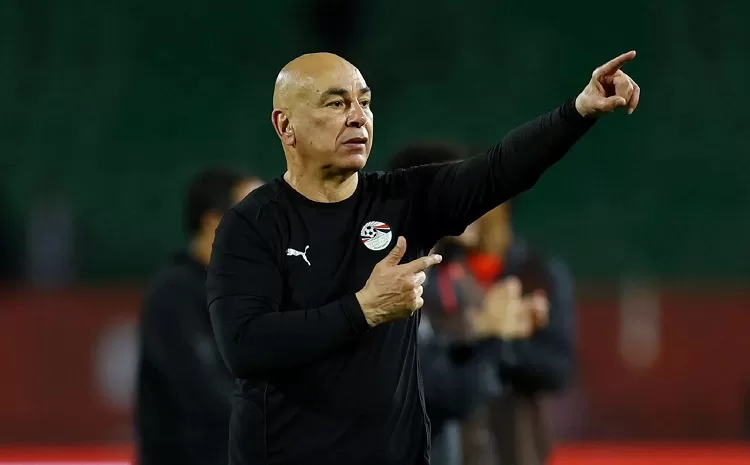
The 59-year-old tactician underlined his satisfaction with his players’ attitude and commitment, despite the cruel nature of the shootout.
“The players showed great character and discipline until the very end. I am proud of their spirit and commitment. Penalty shootouts are part of football — sometimes they go your way, sometimes they don’t. What matters is continuing to work and improve.”
Hassan added that Egypt’s overall showing in the tournament deserved praise, highlighting the team’s resilience in reaching the final day of the competition and finishing among the top four in what he described as one of the strongest editions of the Africa Cup of Nations.
Notably, Egypt faced Nigeria with nearly half of its regular starters unavailable. Hassan was keen to stress, however, that every member of the squad played a meaningful role.
“These players are not just numbers to complete the list,” he said. “Each one of them is a valuable and distinguished element.”
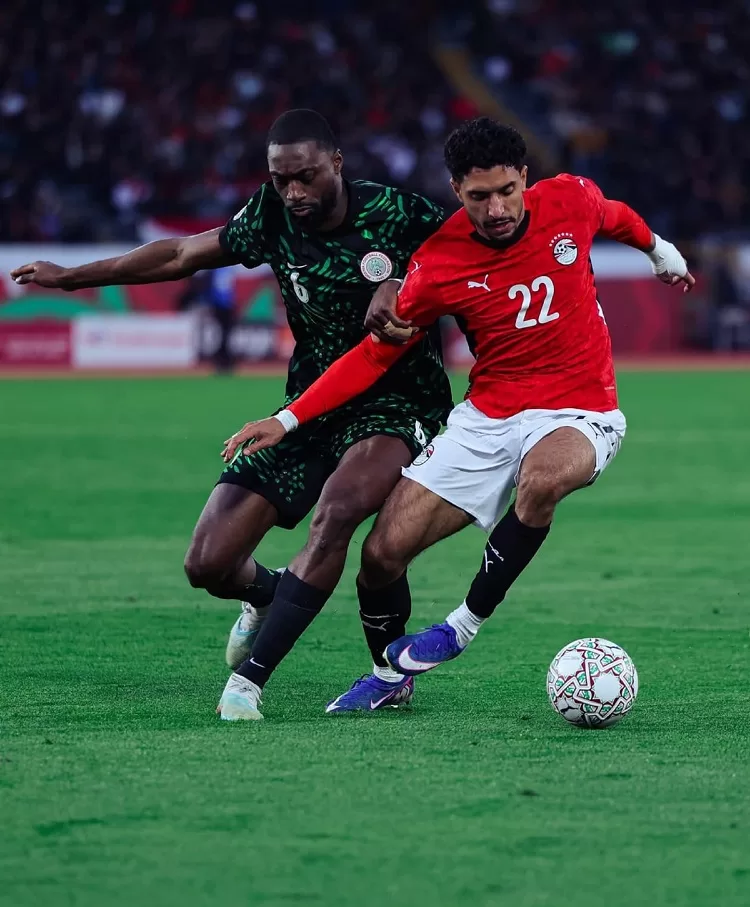
The head coach also pointed to Egypt’s reliance on domestic-based players, with only a limited number of professionals abroad, yet still competing toe-to-toe with teams largely made up of Europe-based stars.
Hassan went on to express his hope that the number of Egyptian players turning professional abroad would increase in the coming years, expressing his ambition to see more members of his squad competing in Europe in the future.
He stressed that Egypt possesses outstanding footballing talent, while underlining that gaining experience in Europe’s top leagues remains the ideal pathway for players aiming to reach the highest level.
Addressing the penalty shootout, Hassan revealed that his team had trained extensively on spot-kicks, noting that missed penalties are an inevitable part of the game — even for the world’s best players — especially on major stages.
Reflecting on his tenure, Hassan highlighted the team’s consistency under his leadership, having overseen 21 matches with just one defeat — a narrow loss to Senegal.
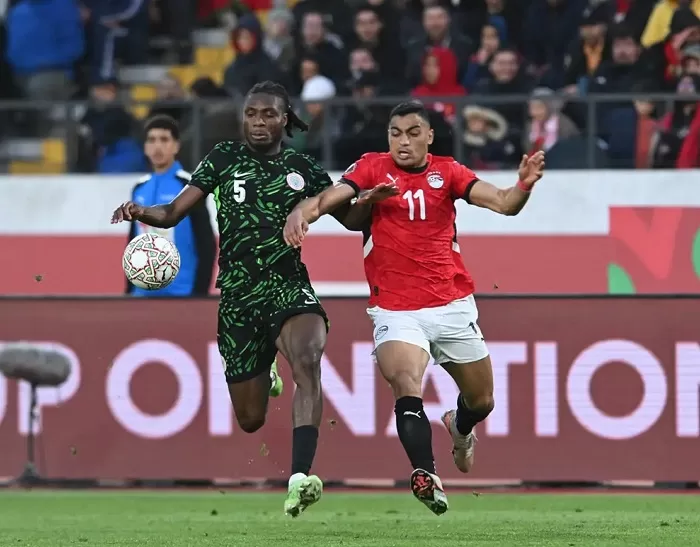
“We have identified both the positives and the negatives from this tournament,” he noted. “We will work hard to improve our performance in the next phase. Expect a stronger and better Egyptian team in the coming period.”
In closing, Hassam reaffirmed his full respect for all the teams taking part in the tournament and for the fans, emphasising that the spirit of brotherhood endures beyond the final whistle among all participating sides and the host nation.
Egypt began their AFCON journey in Group B alongside Zimbabwe, South Africa and Angola, topping the group with seven points from two wins and a draw. The Pharaohs defeated Zimbabwe 2-1 and South Africa 1-0, while drawing 0-0 with Angola.
In the knockout stages, Egypt edged Benin 3-1 after extra time in the round of 16, before producing a thrilling 3-2 victory over Côte d’Ivoire in the quarter-finals. Their run was halted in the semi-finals by Senegal, who claimed a 1-0 win.
The third-place playoff ended in another tight contest, with Nigeria prevailing 4-2 on penalties after a scoreless draw.
Egypt scored nine goals and conceded five during the tournament.
Historically, the Pharaohs have finished fourth on several occasions, including losses in third-place matches against Nigeria (1976), Morocco (1980) and Algeria (1984), while claiming bronze medals in the 1963, 1970 and 1974 editions.
Egypt remains the most successful nation in Africa Cup of Nations history, with a record seven titles and three runner-up finishes — a legacy Hassan hopes to strengthen in the years ahead.

