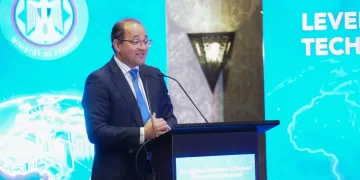









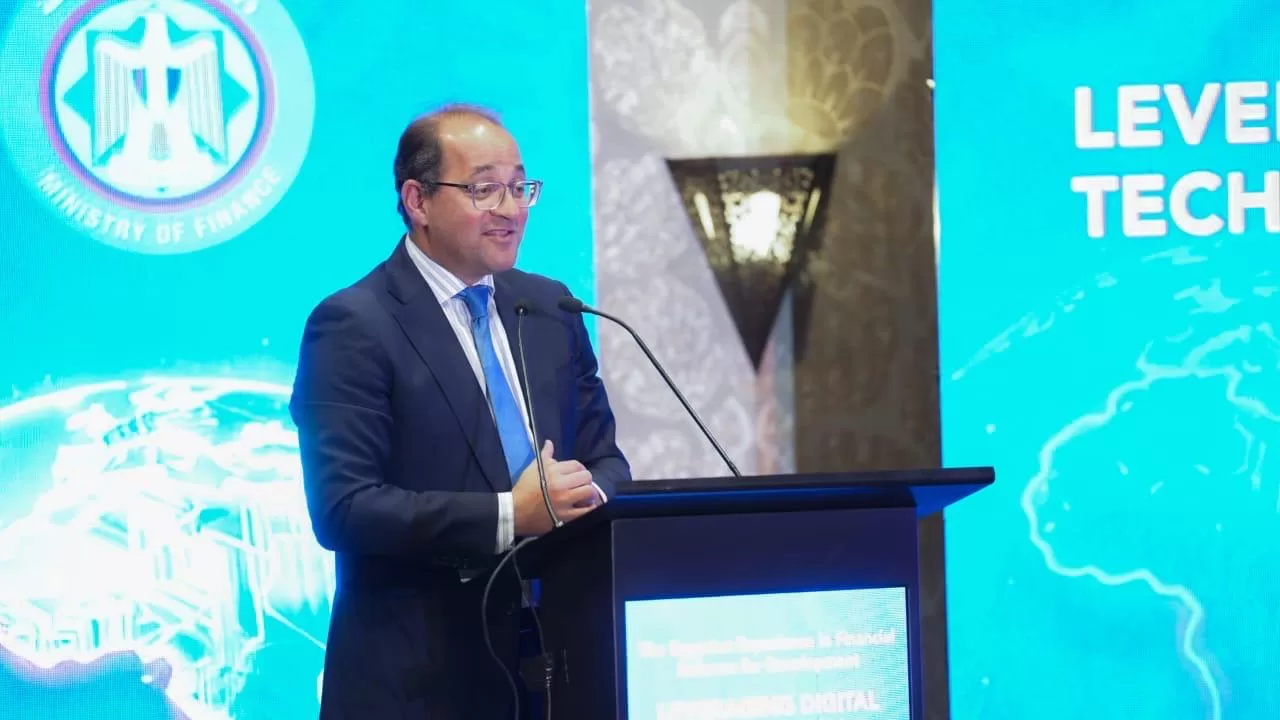
Egypt’s Minister of Finance Ahmed Kouchouk affirmed that international experiences in economic and fiscal reform vary widely, stressing that each country must adopt a model aligned with its own circumstances, needs, and priorities.
Speaking at a conference organised by the African Egyptian Businessmen’s Association in co-operation with e-Tax, under the theme “The Egyptian Experience in Fiscal Reforms for Development”, Kouchouk said Egypt stands ready to share the details of its reform journey with African countries to help strengthen the competitiveness of African economies for the benefit of their nations and peoples.
The minister underscored that sustainable development of state resources cannot be achieved without strong, resilient economic activity led by the private sector.
Reviewing key economic indicators, Kouchouk said Egypt’s economy has gained strong momentum, with private investment rising by 73 per cent during fiscal year 2024/2025.
Economic growth is accelerating, exports are increasing, inflation is on a downward trajectory, foreign exchange reserves have exceeded $50 billion, and foreign direct investment continues to improve, the minister said.
“For the fifth consecutive year, Egypt has remained Africa’s largest recipient of private foreign investment,” Kouchouk said, adding that the previous fiscal year recorded a strong primary surplus of 3.5 per cent of GDP.
The minister reaffirmed the government’s commitment to maintaining its current economic and fiscal course, noting that first-half indicators point to continued progress.
“Economic growth reached 5.3 per cent in the first quarter, private investment increased by 40 per cent, while industrial output and exports continued to rise,” the minister said, noting that Egypt’s economic outlook has improved in international markets.
Kouchouk also stressed that investment in human capital is the most important, noting that people are the true drivers of both present achievements and future progress. He said digitalisation alone is not sufficient unless it translates into better services for businesses and citizens, highlighting the importance of open communication and continuous dialogue with taxpayers, investors, and the wider public.
He concluded by noting that the Egyptian Tax Authority continues to modernise its operations and simplify procedures within a framework of trust and partnership with the business community. The tax facilitation packages, he explained, have addressed challenges raised by taxpayers, enhanced certainty, and helped boost tax revenues by around 35 per cent without imposing any additional burdens.

