



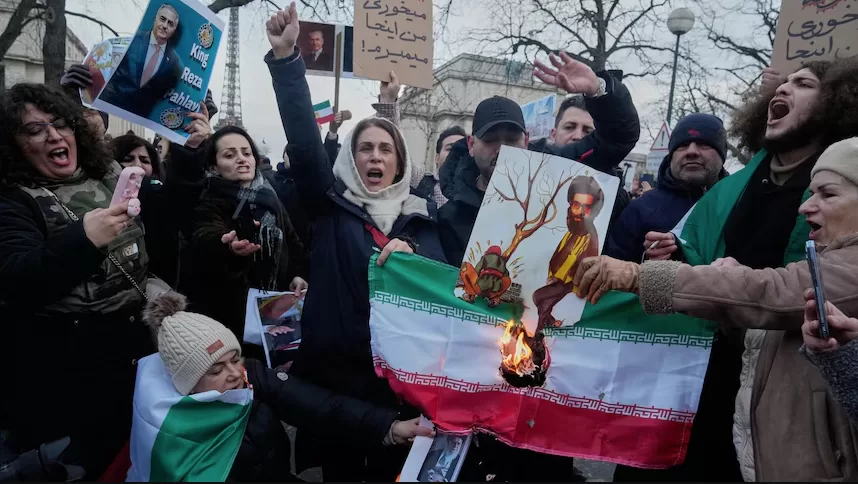
Iran said on Monday it is keeping communications open with the U.S. as President Donald Trump weighed responses to a deadly crackdown on nationwide protests, which pose one of the stiffest challenges to clerical rule since the 1979 Islamic Revolution.
Trump said on Sunday the U.S. may meet Iranian officials and he was in contact with Iran’s opposition, while piling pressure on its leaders, including threatening possible military action over lethal violence against protesters.
U.S.-based rights group HRANA said it had verified the deaths of 572 people – 503 protesters and 69 security personnel, with 10,694 people arrested since the protests began on December 28 and spread around the country.
INTERNET BLACKOUT HAMPERS INFORMATION FLOWS
Reuters was unable to independently verify the tallies. The flow of information from the Islamic Republic has been hampered by an internet blackout since Thursday.
Iran’s leaders, their regional clout much reduced, are facing fierce demonstrations that evolved from complaints about dire economic hardships to defiant calls for the fall of the deeply entrenched clerical establishment.
But despite the massive scale of the protests, there are no signs of splits in the Shi’ite clerical leadership, military or security forces, and demonstrators have no clear central leadership. The opposition is fragmented.
In verified video footage, Iranians gathered at the Kahrizak Forensic Centre in Tehran on Sunday, standing over rows of dark body bags.
Iran has not given an official death toll, but blames the bloodshed on U.S. interference and what it calls Israeli- and U.S.-backed terrorists. State-run media has focused attention on the deaths of security forces.
Iran’s Ministry of Intelligence said on Monday it had detained “terrorist” teams responsible for acts including killing paramilitary volunteers loyal to the clerical establishment, torching mosques and attacking military sites, according to a statement carried by state media.

