








In a transformative move from traditional social support to productive empowerment, the Ministry of Social Solidarity has launched a pioneering textile and garment manufacturing project in Fayoum Governorate, creating sustainable livelihoods for vulnerable women and serving as a model for public-private-civil society collaboration.
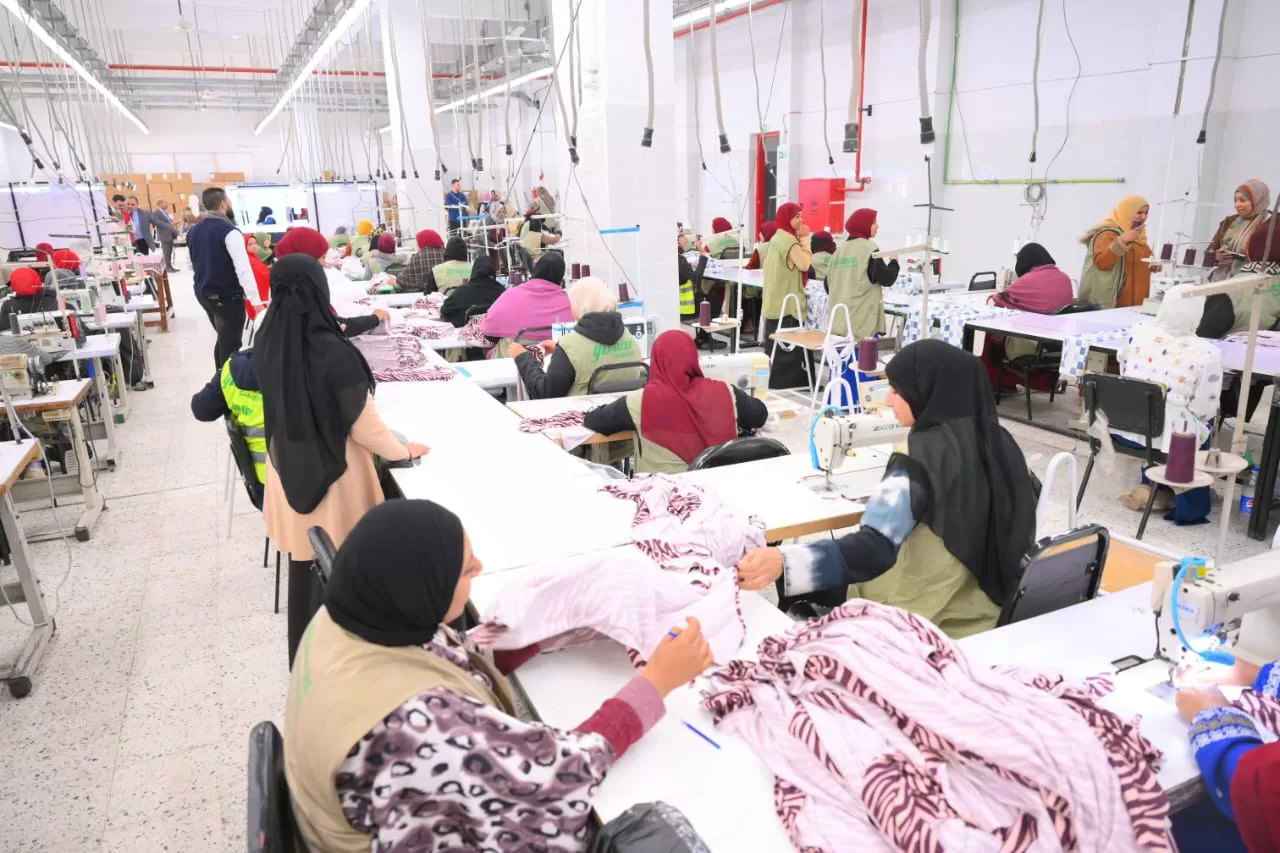
The initiative aligns with the national strategy of turning cash assistance programmes into real economic opportunities, emphasising dignity through work. The factory, spanning 12,000 square metres, had remained inactive for years before being revived through a partnership between the Ministry of Social Solidarity, the Ministry of Public Business Sector, the Egypt Foundation for Integrated Development (El Nidaa), Yasmina Garments, and a Turkish investor.
Today, the facility operates as a hub for production, training and employment, housing eight production halls capable of manufacturing up to 1,500 pieces per month each. Products, including underwear and homewear, are directed entirely to export markets.
Central to the project is professional training. Beneficiaries, many from the Takaful and Karama cash transfer programmes, receive technical and administrative training for one month, earning a stipend of LE2,500 plus transport allowances.
Upon employment, starting salaries reach LE3,000, with skilled workers earning up to LE7,000 monthly, alongside performance-based bonuses.
Since April 2023, the factory’s workforce has grown from 250 to nearly 2,000 women, with plans to employ 3,000 more in the second phase. Monthly production has reached 225,858 garments. Recognising women’s needs, the factory also features an on-site nursery for 120 children, allowing mothers to work with peace of mind.
For many women, the project has been life-changing. Amina, a garment worker, went from earning less than LE800 a month to supporting her family on a stable wage. Shahd Essam, a young woman with a physical disability, now earns LE4,500 monthly while contributing to her household income.
Beyond individual empowerment, the project boosts local economic development, activates idle assets, strengthens regional industries, and expands employment opportunities.
By integrating training, production, marketing, and exports, the Fayoum textile factory demonstrates how social assistance can evolve into sustainable, dignified economic empowerment, especially for women at the margins of the labour market.
- Latest
- Trending

