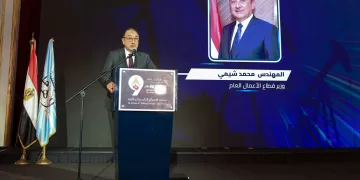

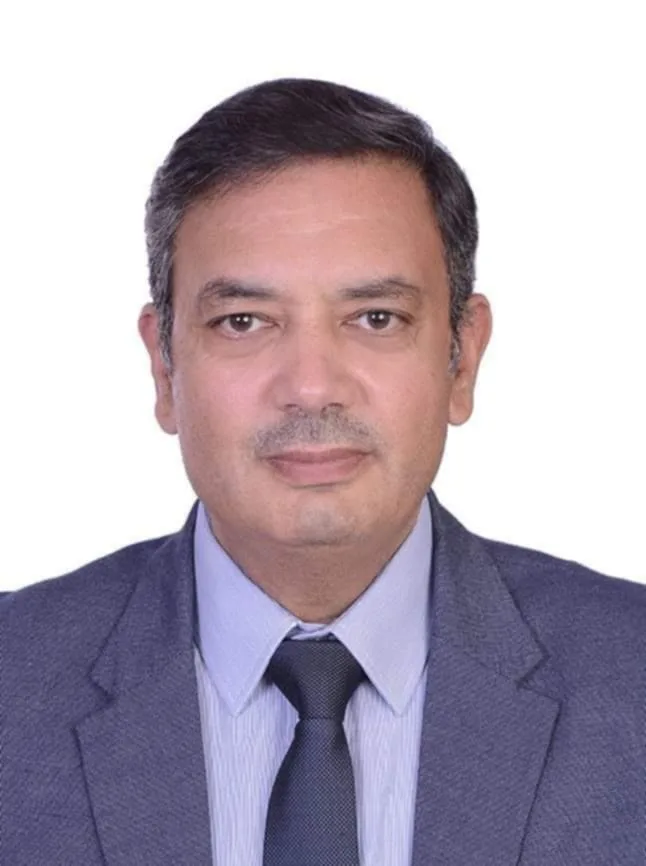







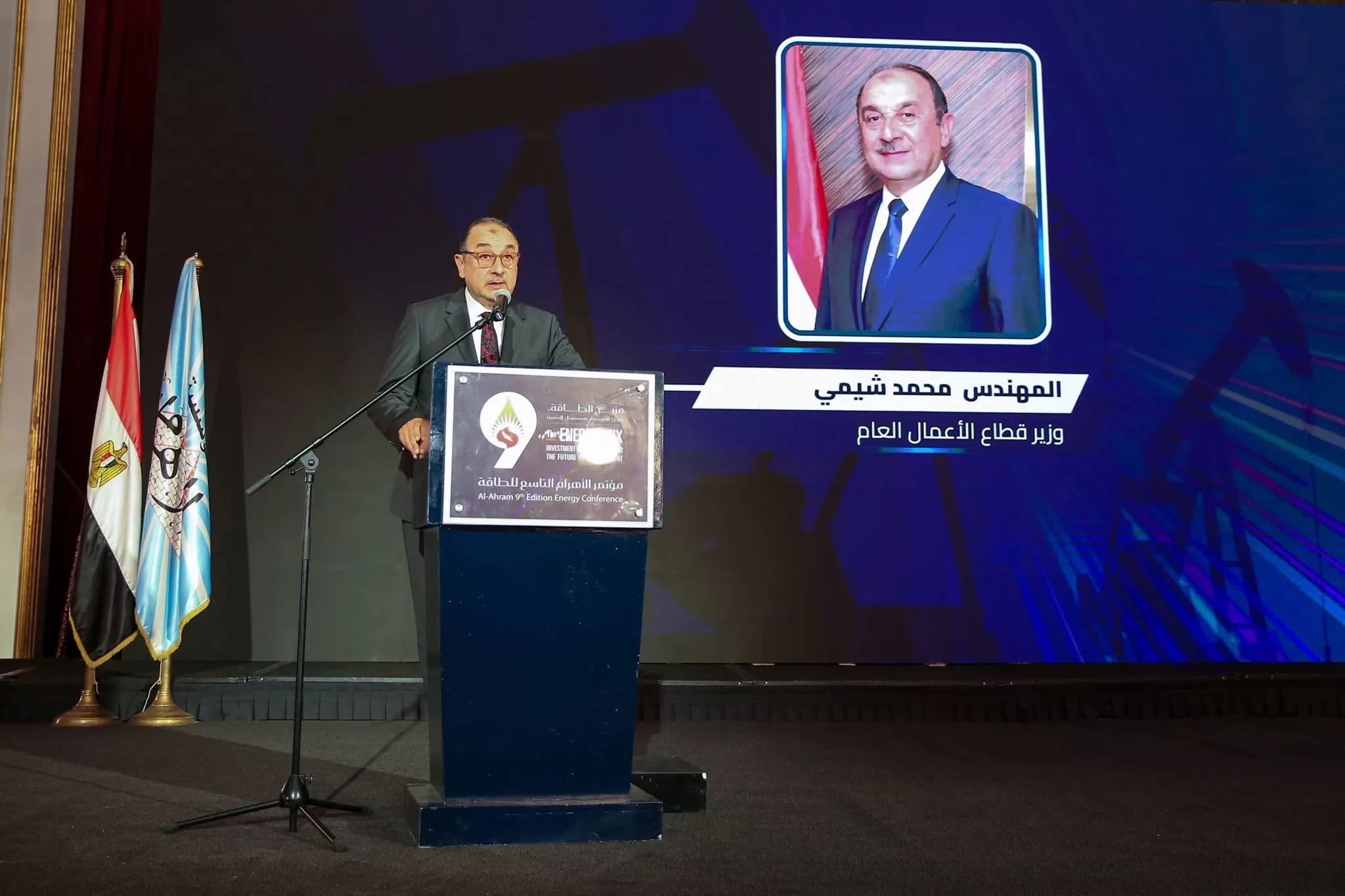
Egyptian Minister of Public Business Sector Mohamed Shimi has underscored the pivotal role of the energy sector in driving sustainable development, highlighting Egypt’s comprehensive strategy to diversify its energy mix with a stronger emphasis on renewables and clean sources.
Speaking on Monday at the opening of the 9th Al-Ahram Energy Conference, held under the patronage of Prime Minister Moustafa Madbouli and themed “Energy Mix: Investment Opportunities and the Future of Development”, Minister Shimi said transitioning to clean energy is no longer a mere luxury but an essential response to pressing global economic and environmental pressures.
The conference, attended by several ministers, served as a platform to showcase Egypt’s aligned sustainability efforts with the national Egypt Vision 2030.
Minister Shimi outlined a holistic framework, addressing climate change, conserving natural resources and biodiversity, enhancing waste management, expanding water recycling initiatives, and fostering an investor-friendly ecosystem for green projects.
He emphasized his ministry’s commitment to building a diversified, competitive, and knowledge-driven economy through renewable energy advancements, sustainable transportation, environmental compliance, and robust partnerships with domestic and international private sectors.
A key focus was compliance with the EU’s Carbon Border Adjustment Mechanism (CBAM) to protect Egyptian exports in carbon-intensive industries like aluminum, fertilizers, cement, and steel.
Minister Shimi revealed that companies under the ministry are allocating approximately EGP1.2 billion towards environmental and energy initiatives, with an ambitious target to meet 45 percent of their energy demands from renewable sources by 2030.
Among flagship projects, he spotlighted a 1-gigawatt solar power plant at the Egypt Aluminium Complex, developed in partnership with Norway’s Scatec.
These efforts, he said, position Egypt as a proactive player in the global shift towards sustainable energy, attracting investments while securing long-term economic resilience.

