




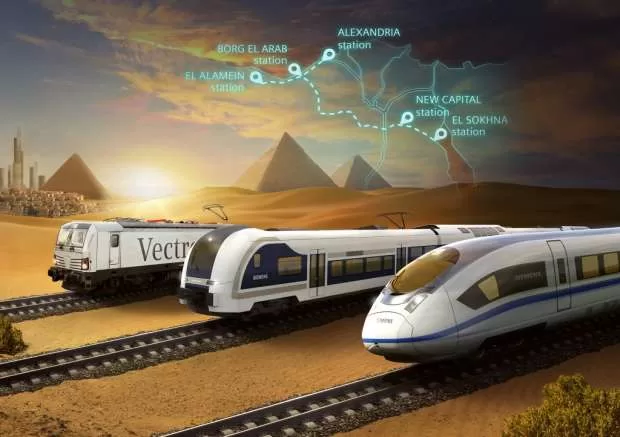
Egypt is undergoing one of the most ambitious development drives in its modern history, rolling out a wide-ranging portfolio of mega-projects across infrastructure, transportation, housing, energy, and industry. This sweeping transformation has become a defining feature of the country’s economic trajectory, with its accelerating momentum reflected in key investment indicators.
Government data shows that total executed investments in the first quarter of the current fiscal year reached LE278.7 billion, marking a 24.2 per cent increase compared with the same period last year, according to a press release posted on the Cabinet official Facebook page on Friday. The surge underscores the strength of Egypt’s long-term development strategy, focused on accelerating economic growth, enhancing competitiveness, and meeting the needs of a rapidly expanding population.
Infrastructure expansion
At the forefront of this momentum is a series of large-scale infrastructure projects. The high-speed electric rail network — one of the largest and most advanced in the region — spans 2,000 kilometres and includes 60 stations. It is set to transform domestic mobility, linking new and existing cities, supporting industrial zones, and facilitating trade and tourism. The network will also reduce travel times, ease congestion, and cut carbon emissions, in line with Egypt’s sustainability goals, the Cabinet’s Information and Decision Support Centre said in a statement yesterday.
Urban development
Urban development remains a central pillar of Egypt’s agenda. New smart cities, including the New Capital, New Alamein, and New Mansoura, are emerging across desert and coastal zones. These cities aim to alleviate pressure on traditional urban centres while creating modern hubs for business, innovation, and high-quality living.
Industrial growth
Egypt is scaling up its renewable energy capacity, with projects such as the Benban Solar Park and wind farms in the Gulf of Suez positioning the country as a regional clean energy leader. Upgrades to the national electricity grid and natural gas infrastructure support industrial development, attract investment, and ensure reliable energy access.
Industrial projects in petrochemicals, textiles, and manufacturing are boosting domestic production, reducing import reliance, and generating sustainable employment.
The rise in executed investments reflects growing confidence in Egypt’s economic direction.

