




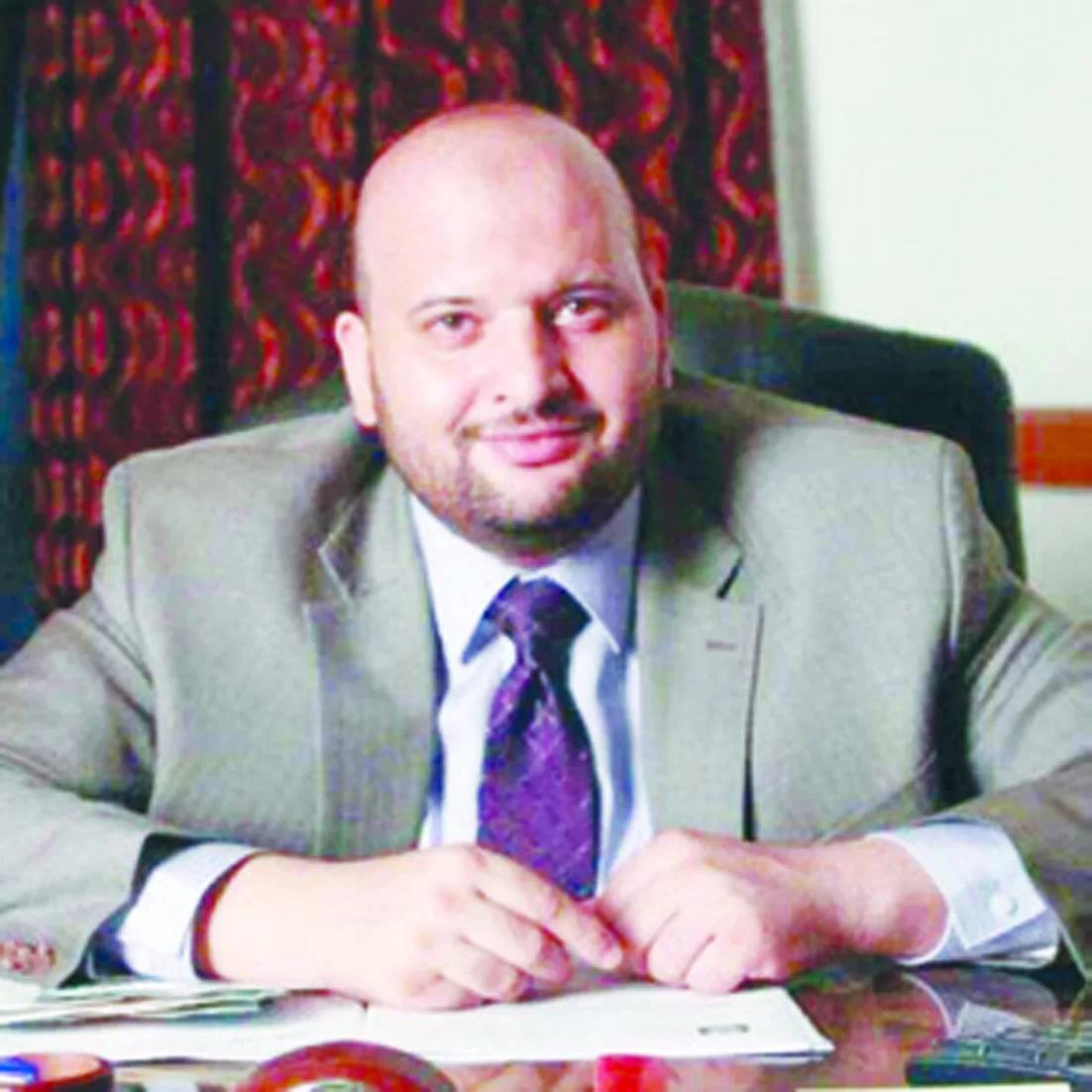
By: Ibrahim Negm
Egypt has long been regarded as the cradle of Qur’anic recitation, a country whose melismatic Qur’anic melodies once set the standard across the Muslim world. From the early 20th century onward, iconic Egyptian voices – such as Sheikh Mohammed Rifaat, Sheikh Mahmoud Khalil al-Husary, Sheikh Siddiq El-Minshawi, Sheikh Abdel Basit Abdus-Samad, and Sheikh Moustafa Ismail – became household names wherever the Holy Qur’an is heard . These legendary qur’āʾ (reciters) not only inspired millions of listeners with the beauty of their tilāwa (recitation) but also firmly established Egypt’s reputation as the global reference point for this spiritual art. It is against this rich backdrop that the recent launch of a new programme, “Dawlat Al-Tilawa” (Arabic for “State of Recitation”), is being hailed as a strategic turning point in preserving and renewing Egypt’s religious heritage.
The launch of Dawlat Al-Tilawa – a nationwide Qur’anic recitation competition produced in partnership between Egypt’s Ministry of Religious Endowments (Awqaf) and the United Media Services conglomerate – represents more than just a new TV talent show. Officials and observers are calling it a “strategic turning point” in how Egypt engages with its religious heritage. The programme is explicitly designed not merely for entertainment, but as a national project to revive and safeguard the art of Qur’anic recitation for future generations. Dawlat Al-Tilawa is touted as the largest contest of its kind in Egypt’s history, drawing over 14,000 participants from across the country in its initial rounds. Such overwhelming participation from every corner of Egypt underscores how deeply the tradition of Qur’an recitation is ingrained in the nation’s cultural fabric.
Crucially, this initiative goes beyond competition. It has been conceived as a cornerstone of a comprehensive strategy to reclaim Egypt’s historic leadership in Qur’anic recitation and to institutionalise support for this art form. As one commentator noted, the programme “embodies a national vision to preserve the Egyptian school of tilāwa that once wowed the world,” treating young Qur’anic talent as an investment in Egypt’s cultural future . In other words, Dawlat Al-Tilawa is not just a TV contest, but a cultural revival mission. By organising professional training for contestants, assembling top-tier judges (renowned scholars, chanters, and vocal experts), and showcasing impeccable production quality, the project signals the state’s seriousness in reviving this heritage.
Perhaps most significantly, Dawlat Al-Tilawa is being framed as a savvy exercise in Egyptian soft power. In international relations, soft power refers to a nation’s ability to influence others through cultural appeal and values rather than hard force. Qur’anic recitation – a universally respected art in the Muslim world – has long been one of Egypt’s most potent cultural exports, and the new programme seeks to leverage that influence both at home and abroad. Internally, it is fostering a sense of shared pride and unity: for the first time in years, young Egyptians from all governorates are uniting in friendly competition centered on the Qur’an, forming a nationwide community of faith and artistry. Externally, the programme ensures that Egypt will continue to “export” sublime Qur’anic voices to the broader Islamic world, thus extending Egypt’s spiritual influence across borders. As the Ministry of Awqaf itself affirmed, Egypt will always remain the true “State of Recitation,” a cradle of Qur’an recitation talents . By discovering and mentoring a new generation of top-notch reciters who carry the mantle of legends like Abdul Basit and Minshawi, Egypt is reasserting its leadership in a cultural domain it has historically dominated. In the words of one Egyptian parliamentarian, supporting young reciters is “an investment in Egypt’s soft power” and reinforces the country’s leading role in serving the Holy Qur’an and its teachings.
The soft power strategy here also serves a deliberate ideological purpose. Egyptian officials emphasise that the programme is meant to promote a message of wasatiyya – religious moderation – through the universal language of melodic scripture. By celebrating Qur’anic recitation as an art rooted in devotion, knowledge, and beauty, Dawlat Al-Tilawa highlights the inclusive, pacific face of Islam that Egypt’s religious authorities champion. This stands in contrast to the strident voices of extremism that often dominate headlines. As Dr. Reda Farahat, a political analyst, observed, initiatives like this competition contribute to building public awareness and resilience against extremist ideologies – not through censorious crackdowns, but through “the attractive force of spiritual excellence and authentic tradition”. The programme’s use of mass media for a lofty purpose – what one commentator praised as “a civilised project to revive the Egyptian school of tilāwa and re-center the values of beauty, faith, and spirituality in society” – demonstrates how cultural programming can fortify society’s immune system against radicalism. In short, by uplifting moderate, enlightened religious culture, Egypt is wielding soft power as a tool for both national development and counternarrative on the world stage .
One of the most striking aspects of Dawlat Al-Tilawa is how it functions on multiple levels: it is at once a unifying national endeavor and a showcase of Egyptian culture to the world. On the domestic front, the competition has drawn participants and audiences from Sinai to Nubia, from the Delta to Upper Egypt, effectively weaving a tapestry of national unity through shared spiritual heritage. In each episode, viewers see teenagers and adults, rural and urban, male and female, all reciting the same Qur’an in their own beautifully trained voices – a powerful reminder of the common ground that Egyptians of diverse backgrounds share. As Member of Parliament Fadia Salim noted, the programme gives “hundreds of youths from different provinces the chance to display their talents in recitation,” helping to build a strong base of new readers capable of carrying the Qur’an’s message in a manner worthy of its sanctity. This inclusive nationwide reach not only nurtures talent from unexpected places, it also reinforces social cohesion: families across Egypt gather around the TV on Friday and Saturday nights at 9 PM to cheer on these Qur’anic “idols” in the making. The sight of a young contestant from a remote village mastering classical Qur’anic melodies can fill Egyptians everywhere with pride. It’s a moment of collective cultural affirmation that transcends politics or economics.
Meanwhile, Dawlat Al-Tilawa’s impact has radiated beyond Egypt’s borders almost instantly. The show’s debut sparked enthusiastic reactions across the Arab and Muslim world, with the programme’s hashtag trending on social media in countries like Kuwait, Qatar, and Jordan and attracting regional attention. This pan-Arab buzz underlines how Egypt’s Qur’anic reputation amplifies its voice abroad. Every time an Egyptian qāri’ (reciter) captivates an international audience, it subtly bolsters Egypt’s image as a centre of religious excellence and cultural leadership. The new competition ensures this dynamic continues into the future by launching fresh Egyptian talents onto the global stage. As one Egyptian commentator put it, “Egypt was and remains the qibla (destination) of Qur’an reciters and the capital of the Qur’anic voice in the Islamic world, and this heritage deserves a grand platform worthy of its value”. Dawlat Al-Tilawa aspires to be exactly that platform – one that not only honours past giants but also produces new stars who will carry the Egyptian flag in international Qur’anic forums for decades to come. By institutionalising high standards and providing rigorous training through the show’s mentors and judges, Egypt is effectively ensuring the continuity of its recitation school. The programme’s organisers have even framed it as “a national project to revive Egypt’s spiritual heritage and unleash new energies carrying the Qur’an’s message with the elegance and voice befitting a legacy that runs from Sheikh Rifaat to today’s youth”. In doing so, they tie the glories of the past to the promise of the future in one resonant initiative.
Ibrahim Negm is a senior advisor to the Grand Mufti of Egypt

