







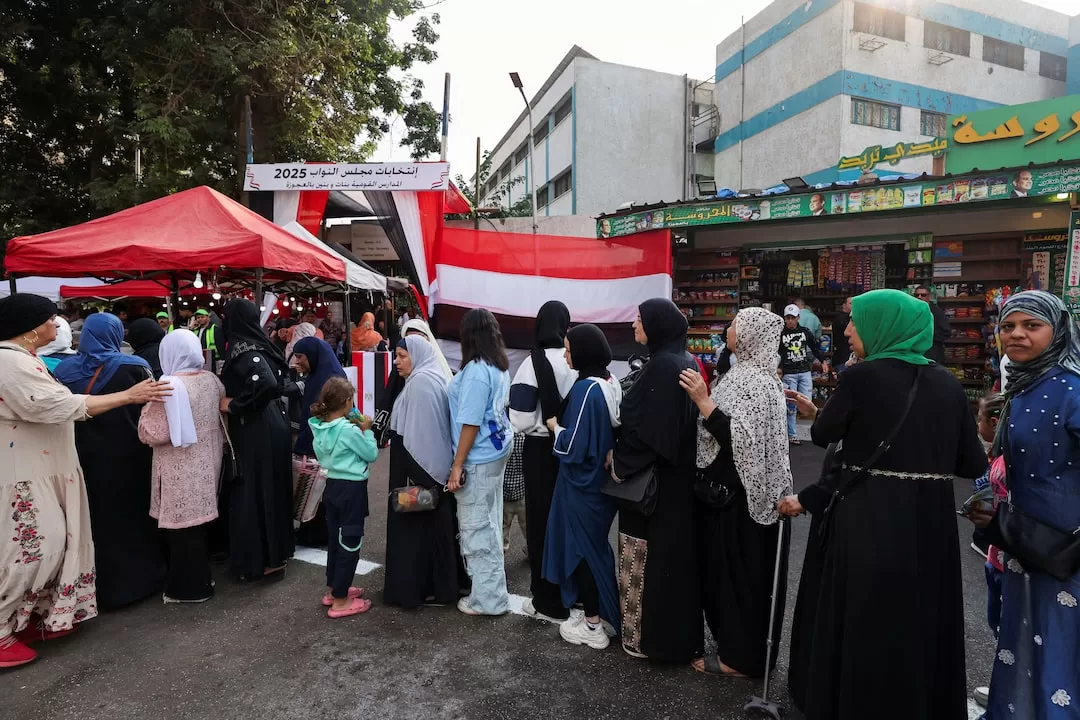
Egypt’s parliamentary elections are not just a political event, but also a reflection of the nation’s stability, which boosts the investment climate.
Egypt is currently holding the House of Representatives elections in two phases. The first phase concluded last week across 14 governorates, with the remaining 13 scheduled to vote in the second phase.
This vote is critical for the national economy, as the new parliament will shape legislation addressing local and national challenges and directly influence investor confidence.
Analysts say that the 2025 parliament will utilise its jurisdictional and political tools to channel decisions extending beyond 2030. This new phase builds upon a decade of significant efforts in Egypt’s economy, marked by structural reforms, infrastructure expansion, and a concerted drive to create a more supportive investment climate.
“The parliamentary elections come at a sensitive stage as the state intensifies efforts to realign its economic path through fiscal reforms, expanding production and exports, and improving the investment climate,” said Mohamed el-Gohary, head of the Oxford Center for Economic Studies.
He added that the elections send a message to the local and international investors that Egypt’s political status is witnessing stable constitutional and legal grounds.
“A stable political scene is key for gaining the investors’ confidence, based on long-term fiscal and reform policies that are designed,” he said.
The global economy is undergoing rapid change. Energy transitions, supply chain disruptions, and shifting investment patterns all require adaptive policies.
Over the coming months, the newly elected council will carry a heavy legislative burden, mainly laws that encourage production, simplify investment procedures, and support small and medium enterprises. They will be asked to pass laws targeting education, healthcare, and job creation, to ensure that reforms translate into tangible improvements in daily life
As investorsalways look for consistency, transparency, and a fair legal environment, the parliament can reinforce these bases through legislation combatingbureaucracy and supports competitiveness. So, these elections are an opportunity to sustain both political stability and economic growth.
A parliament that demonstrates accountability, responsiveness, and proactive engagement with both local communities and the business sector will not only strengthen Egypt’s economic resilience but also ensure long-term political stability and sustainable growth.
Therefore, a strong parliament is not only one that passes laws, but also one that listens to citizens, understands market realities, and acts as a guardian of national priorities.

