




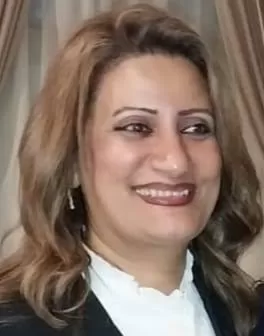
By Dr Catherine Faragallah
Egypt is witnessing the elections for the House of Representatives — one of the most important electoral entitlements. The first phase began with Egyptians abroad casting their votes last Friday and Saturday amid extensive preparations by the National Election Authority, which opened consulates and embassies in more than 120 countries and facilitated voting procedures for citizens. The authority also enabled voters to update their information and view candidates electronically, allowing Egyptians abroad to learn about their representatives.
Egyptians living abroad are the true image and ambassadors of Egypt. Their presence in front of Egyptian embassies worldwide sends a strong message that Egypt is conducting a parliamentary election that reflects the will of its people and its national identity. Their participation demonstrates their deep sense of belonging to their homeland and their commitment to contributing to the political decision-making process.
Egypt’s parliamentary history is deeply rooted, dating back to 1866 when Khedive Ismail established the Consultative Council of Representatives, the first elected representative body in the region. Today, the House of Representatives is the primary legislative authority in the country — responsible for approving laws, discussing public policy, development plans, and the state budget, and exercising oversight over the government’s performance.
These elections, therefore, reflect the strength of Egypt’s institutions and mark an unprecedented political momentum through the broad participation of all segments of the Egyptian people. Voters’ presence at the ballot boxes sends a clear message to the world about Egypt’s stability and the free exercise of constitutional rights. It also highlights the awareness of Egyptians and their keenness to choose their representatives, shape the features of the coming stage, and consolidate the foundations of democracy and stability. Participation in the elections is not only a constitutional right but also a national duty — an expression of the Egyptian people’s will to support the state’s progress toward the New Republic.
Such widespread participation represents the people’s genuine will to shape their future and select those they trust to represent and safeguard their interests, understanding that abstaining from voting does not serve national stability. This democratic celebration — through large-scale participation — is the strongest guarantee of the integrity of the electoral process and the best response to those who question its transparency, especially as the National Election Authority supervises all stages of the elections with full independence and impartiality.
The massive voter turnout also reflects the positivity and responsibility of citizens in choosing their representatives in legislation and oversight, thereby contributing to Egypt’s ongoing development journey. Egypt’s management of this national process has adhered strictly to constitutional and legal standards that ensure fairness and equal opportunity among all candidates.
Furthermore, the spirit of national consensus among different political parties and forces reflects a shared commitment to placing Egypt’s interests above all else and demonstrates the spirit of cooperation that characterizes political life under the New Republic established by President Abdel Fattah El-Sisi — a republic built on equality, justice, and citizenship in modern Egypt, thanks to his leadership and efforts.
We have also witnessed the strong participation of women and youth, who are key pillars in building the New Republic. President El-Sisi has given great attention to empowering women and youth politically, economically, and socially, opening wide avenues for them to become active partners in decision-making. Today, Egypt’s youth are living a new era, following a time when they were largely disengaged from political life before President El-Sisi’s leadership.
The constitution has ensured representation for women, youth, and people with special needs — for the first time allocating 28% of parliamentary seats to women. This inclusive representation reflects Egypt’s diversity and unity at their finest.
Ultimately, this broad popular participation expresses the will and awareness of the Egyptian people, their confidence in the direction of their state, and the importance of their voices in shaping the future and ensuring Egypt’s stability — especially at this critical time, as the nation faces numerous challenges on various fronts.

