






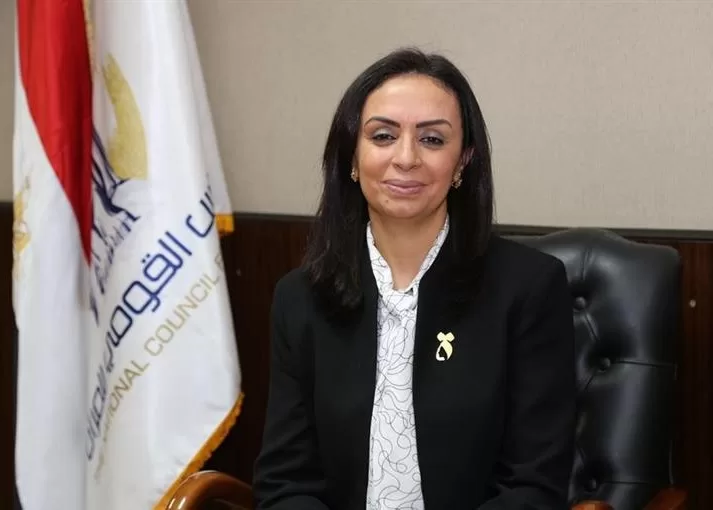
CAIRO – Egypt now possesses a pioneering experience in social protection based on a clear vision and serious political will, through which it has managed to transition from simply providing support to building a comprehensive system for development with a focus on human beings, Minister of Social Solidarity Maya Morsy said.
Morsy told MENA that Egypt’s experience, which the Ministry of Social Solidarity confidently presents in international forums, is no longer just a safety network for vulnerable groups; it has become an inspiring Arab model for how to transform protection policies into a tool for development and human empowerment.
The minister’s remarks came Friday as she commented on the presentation of the Egyptian experience in social development during the Second World Summit for Social Development 2025 held in Doha from November 4 to 6, before representatives of the United Nations and a large number of social development ministers worldwide. She confirmed that Egypt now possesses an integrated vision that combines social justice and economic sustainability.
She stated that building an effective social protection system is achieved not only by expanding the base of beneficiaries but by changing the philosophy of support itself to become an investment in people. She explained that Egypt has moved from policies that “mitigate the effects of poverty” to “treating its causes” by linking cash support to education, health, and economic empowerment services.
The minister said the Egyptian experience in social protection was not born by chance, but is the result of accumulated expertise and a clear scientific vision of the Egyptian state. She noted that the ministry worked on developing monitoring and analysis tools, building an accurate database of families, and launching specialized programs that link social justice with economic sustainability, thereby ensuring the transition from protection to empowerment and from need to production.
Meanwhile, Executive Director of UN Women Sima Sami Bahous, praised the Egyptian experience, describing it as a model to be followed in gender equality and women’s empowerment.
The Ministry of Social Solidarity has succeeded in building an integrated social protection system targeting vulnerable groups and ensuring that support reaches those who deserve it through an accurate database covering various governorates. However, what distinguishes the Egyptian experience is that it was carefully designed to address multidimensional poverty, not just its financial aspect.
The ministry’s Takaful and Karama program (Solidarity and Dignity) is the cornerstone of this social protection system, having supported about 7.8 million families over ten years since its launch in 2015. The number of currently benefiting families is 4.7 million, 75% of whom are women, reflecting the focus on empowering women and enhancing their economic role within the family.

