










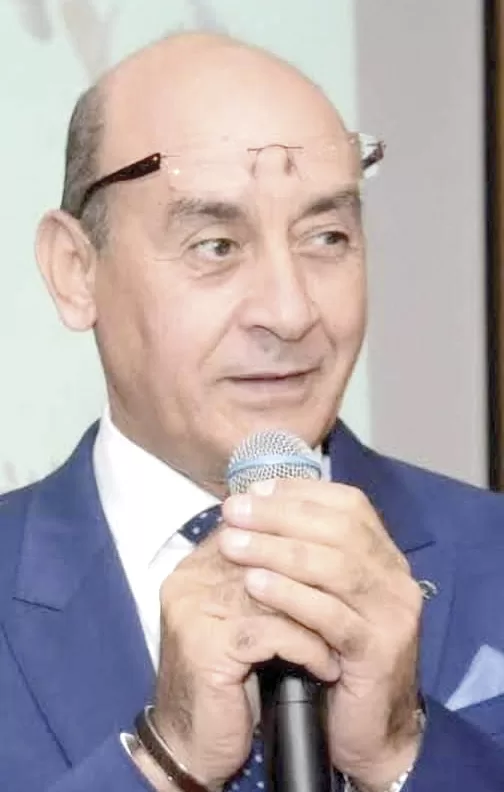
By Dr Raafat Omran
The educational and academic consultant
In an era where education reform has become a national priority, rethinking the way we teach our youngest learners is more vital than ever. The early primary grades the formative years when children first engage with structured learning lay the foundation for how they will think, create, and communicate for the rest of their lives.
In this context, I present a forward-looking pedagogical perspective on the curricula of Grades 1 to 3, emphasising the importance of adopting a unified theme that connects all subjects Arabic, English, Science, Mathematics, and Social Studies through one coherent story or idea. This approach aims not only to make learning more integrated and meaningful but also to nurture creative, critical, and imaginative thinking from the very beginning of a child’s educational journey.
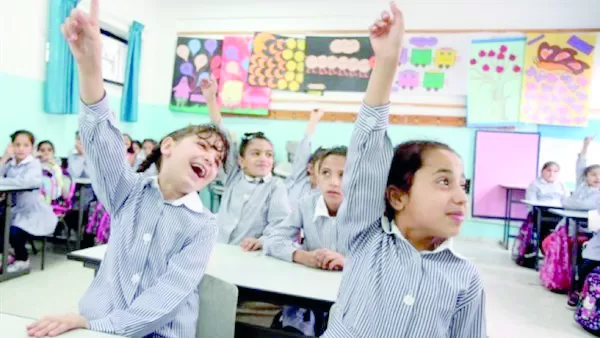
This unified model has the potential to transform classrooms into spaces of discovery and expression, where lessons are designed around the child’s developmental stage and preferred learning style auditory, visual, or kinesthetic. It highlights how interdisciplinary learning, artistic expression, and storytelling can inspire curiosity, deepen understanding, and make education both joyful and impactful.
First: The unified theme
A main idea or a set of ideas should be chosen, provided they are appropriate to the students’ mental and chronological age in the early primary stage (Grades 1–3).
This idea should be presented in the form of a written and illustrated story that integrates all the intellectual elements specified in the subjects of Arabic, English, Science, Mathematics, and Social Studies, all within one unified topic.
(This approach differs from what is currently presented in the Discover textbook for this stage, where each subject has its own separate topic.)
The following points should be taken into consideration:
• The students’ age stage.
• Different learning styles (auditory – visual – kinesthetic), based on the principle that every person learns primarily through one of three learning modes: auditory, visual, or kinesthetic. (This concept will be explained with examples in another article.) The aim is to capture attention and enhance the elements of engagement and influence in the learning process.
• Teaching thinking skills to young learners – as an initial and targeted stage.
• Creative thinking – encouraging students to “think outside the box” and to express themselves freely through imagination.
• Critical thinking – enabling students to express their opinions on various aspects of the lesson.
• Artistic expression – encouraging students to create expressive artwork that highlights the role of the art teacher, combining sound, colour, and movement, as well as designing 3D models representing events to be displayed in the school theatre or stage museum.
• Encouraging creativity in storytelling and drama, where students, guided by their teachers, write and perform stories and plays.
The focus should be on quality, not quantity with one unified topic per month that addresses all the elements mentioned above.
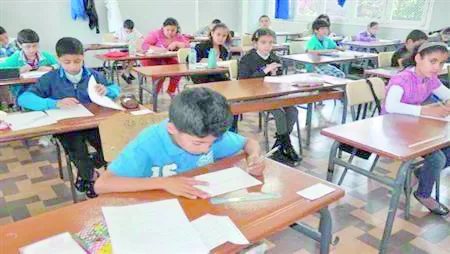
This proposed approach aligns closely with the objectives of Egypt’s Education reform strategy, which seeks to shift learning from memorisation to understanding, from isolation to integration, and from passive reception to active participation. By embracing a unified, story-based curriculum that connects disciplines and celebrates creativity, we can help build a generation of learners who not only acquire knowledge but also know how to think, question, imagine, and innovate the true foundation of a modern and enlightened society.
Examples of such applications can be presented, upon request, during a lecture accompanied by a workshop.
(The remaining educational stages will be discussed later.)

