




Bilateral trade hits $2 billion; Suez Canal Zone positioned as hub for energy, technology projects
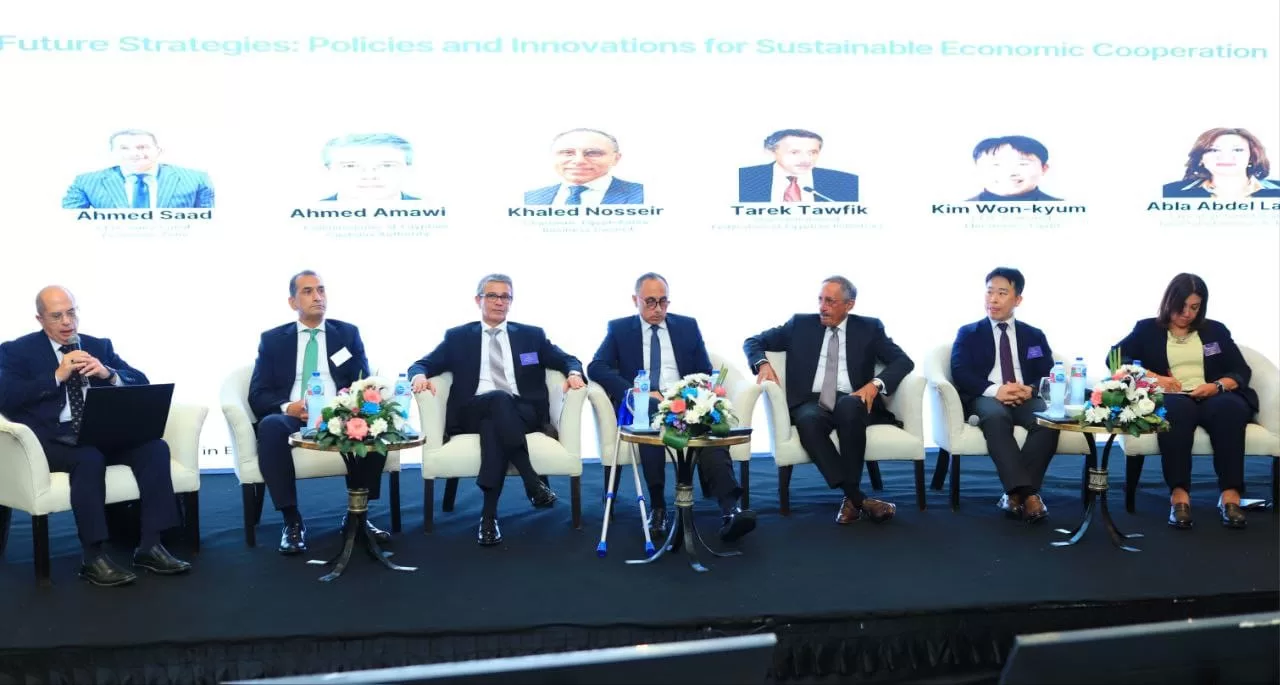
Egypt and South Korea marked the 30th anniversary of diplomatic relations with the South Korea–Egypt Economic Partnership and Co-operation Conference. The event spotlighted new horizons for trade, technology, and investment.
Senior officials, business leaders, and experts from both countries outlined an ambitious roadmap for collaboration, placing the Suez Canal Economic Zone (SCZone) at the centre of future projects.
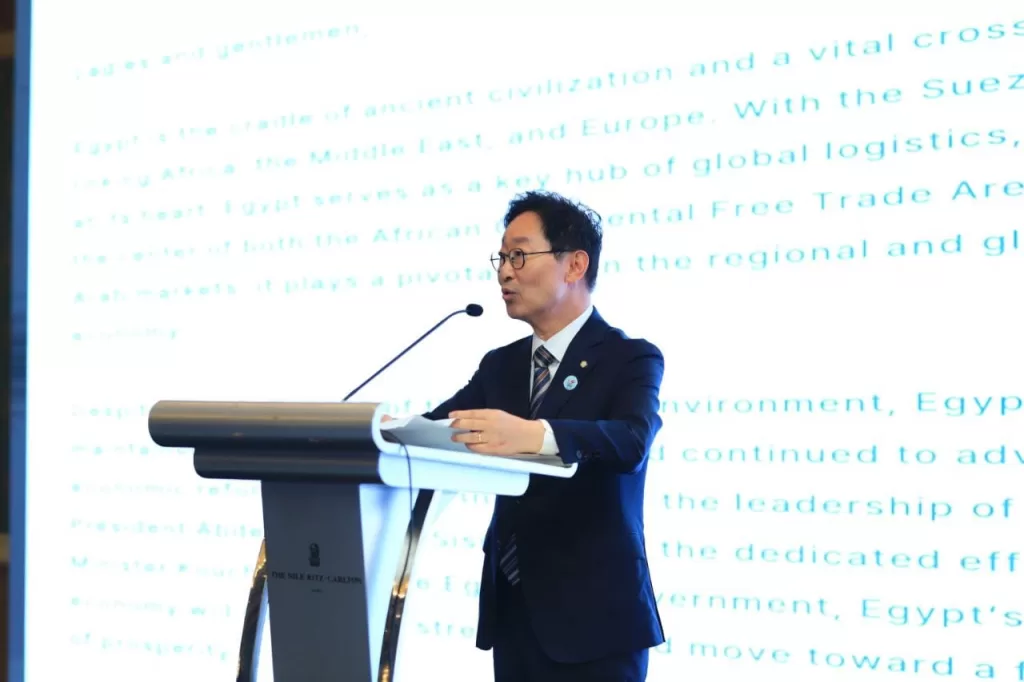
South Korean Presidential Envoy and National Assembly member Park Beom Kye hailed the remarkable progress in bilateral relations since ties were established in 1995.
In remarks to The Egyptian Gazette, the Korean envoy described the Suez Canal Economic Zone (SCZone) as a “vital gateway for investment,” pointing to opportunities in construction, renewable energy, and manufacturing.
Mr Park confirmed plans to tour the zone to explore specific projects. He stressed that President Abdel Fattah El Sisi had reiterated Egypt’s commitment to expanding industrial co-operation with South Korea.
Egypt’s former prime minister Ibrahim Mahlab highlighted opportunities in IT, transportation, and chipsets, urging stronger corporate partnerships that could enhance technological capabilities. He has made it clear that the SCZone remains the most attractive and promising destination for Korean investors.
Hossam Heiba, CEO of the General Authority for Investment and Free Zones (GAFI), said nearly 170 South Korean companies operate in Egypt with investments exceeding $1 billion in electronics, chemicals, construction, and manufacturing. He emphasised Egypt’s determination to expand co-operation into new activities, leveraging Korea’s expertise in management and capital flow.
Key sectors for co-operation
Sungjin Baik, Director General of International Co-operation at the Korea Institute for Advancement of Technology (KIAT), announced a new project in Port Said. This includes a concentration and training centre to be completed by 2026. Mr Baik also identified promising areas of co-operation: renewable energy, green hydrogen, smart transportation, and Egypt’s Digital E-City 2030 strategy.
Other speakers stressed the crucial role of energy and agriculture in expanding ties. Ahmed Magdi of Cleantech Egypt (UNIDO) pointed to South Korea’s contribution to the El-Dabaa nuclear project, while businessman Khaled Anan explored opportunities to enter the South Korean food market with Egyptian produce.
Participants in the event agreed that the 30th anniversary of relations represents more than a commemoration. It offers a platform to deepen strategic ties in trade, technology, and sustainable energy, with the SCZone serving as the cornerstone of future co-operation. Both countries pledged to build on three decades of partnership, moving towards a shared future of economic growth and prosperity.

