By Mohamed Attia
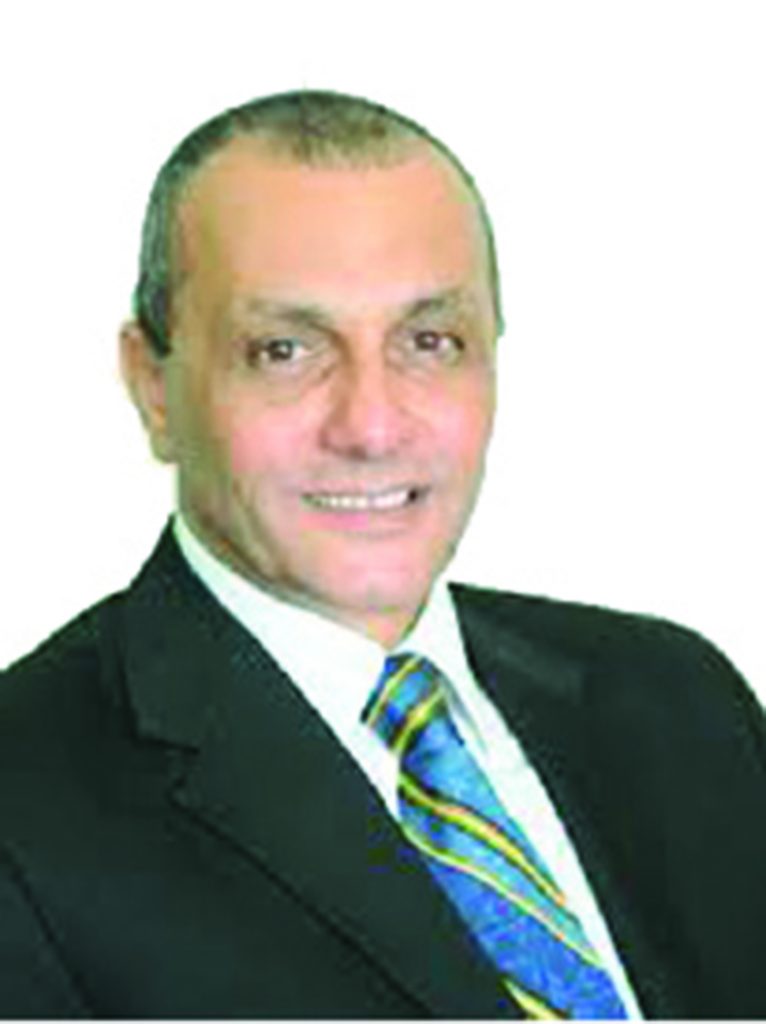
Minister of Civil Aviation Sameh el-Hefny announced a comprehensive strategy to elevate the country’s aviation sector, confirming that while Egyptian airports are strategic state assets and will not be sold, they will be opened to private sector management and operation to enhance efficiency and service.
El-Hefny clarified that the state views its airports as critical sovereign infrastructure. “Selling them is completely out of the question,” he stated. Instead, the focus is on a successful model previously applied at Marsa Alam and El Alamein airports, where private sector involvement led to improved efficiency and service quality while maintaining full state ownership.
The move is intended to alleviate the financial burden on the state, which faces ongoing demands for continuous investment and major upgrades to keep pace with global aviation standards. Private management will ensure optimal efficiency and improved services, attracting more investment and tourism.
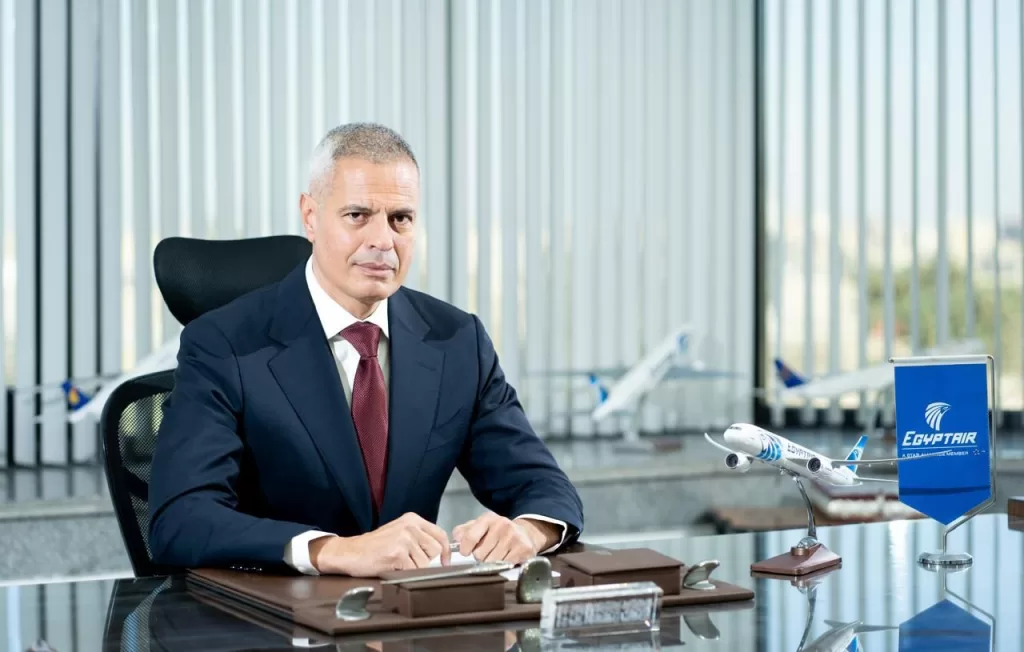
The ministry plans to hire a specialised consulting firm to conduct a detailed analysis of 11 key airports, including Sharm el-Sheikh, Hurghada, Luxor, Aswan, Abu Simbel, Assiut, Sohag, and Sphinx.
The study will assess air traffic, projected revenues, and growth rates to determine the best tender format, whether for individual airports or a group.
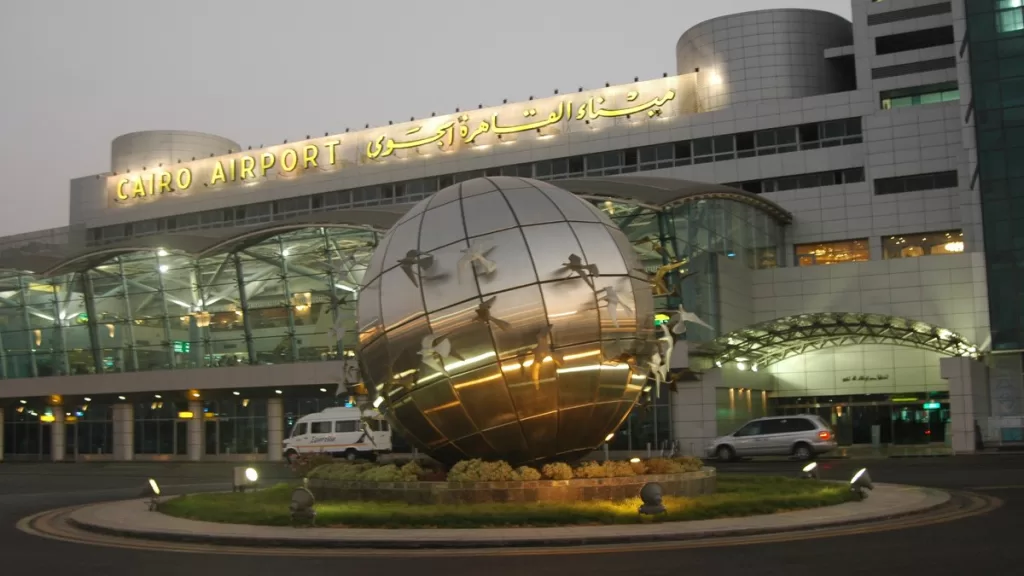
A cornerstone of this strategy is the ambition to transform Cairo International Airport into one of the world’s top 10 hub airports, capable of competing with global powerhouses like Dubai, Doha, and Istanbul.
To achieve this goal, the ministry is planning a significant expansion, including the construction of a new Terminal 4. The project, with an estimated cost of $4.5 billion over four years, is designed to more than double the airport’s annual passenger capacity from 30 million to 65 million.
In addition, the airport has achieved annual profits exceeding EGP 16 billion, despite recent global challenges. The ministry is also exploring extending the metro line to the airport to improve connectivity and meet international standards for major transportation hubs.
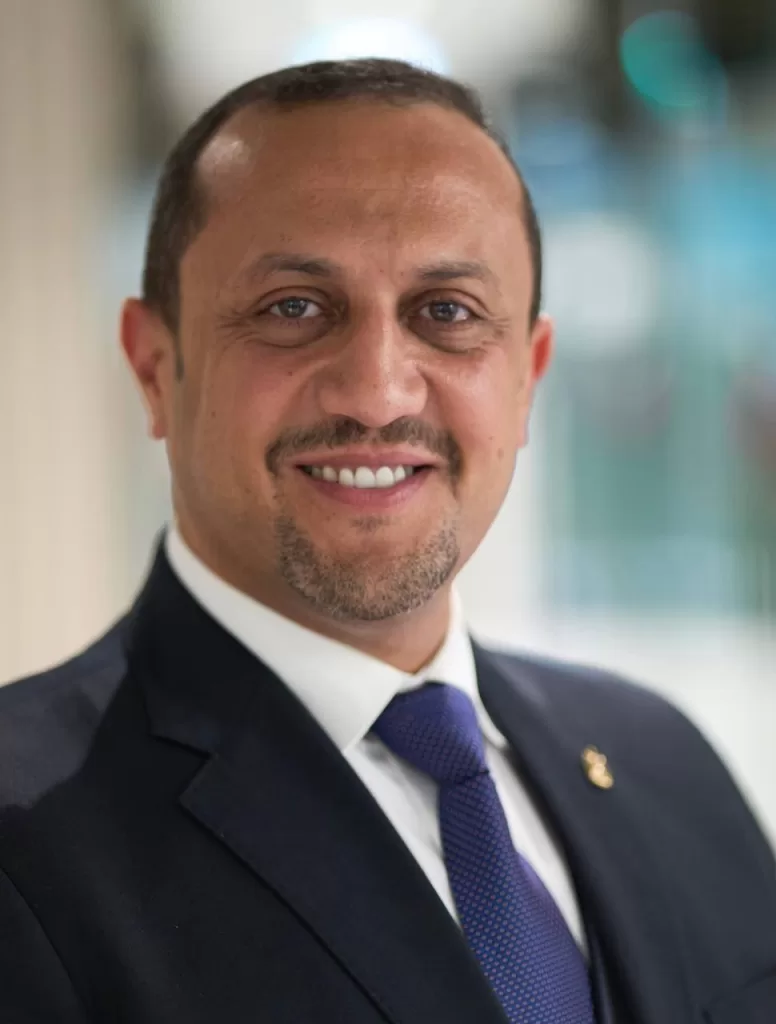
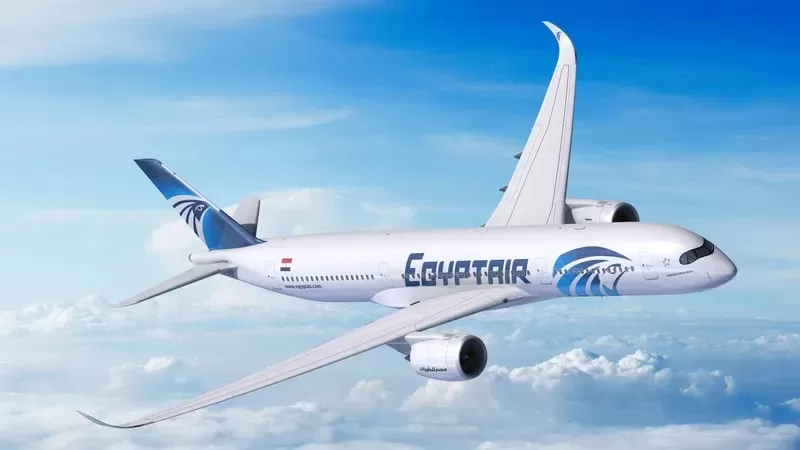
El-Hefny also addressed the national carrier, EgyptAir, referring to it as “a national security arm of the state.” He cited its crucial role in repatriating Egyptians from conflict zones and delivering humanitarian aid.
The airline has made significant strides in reducing its losses, which have dropped from EGP 30 billion to EGP 13 billion, with a target of achieving zero losses within four years.
The minister noted that recent financial results have been historic for the company, which is celebrating its 93rd anniversary.
El-Hefny attributed the success to a revised strategy, which includes an expansion of its fleet. Twenty-eight new aircraft will join the fleet starting in December, growing its size by up to 30 per cent.
This expansion is expected to extend the airline’s destination network and improve service quality.
Thanks to these efforts, EgyptAir was ranked 68th globally and named the Best Airline in Africa for passenger service for 2025 by the prestigious Skytrax ranking. As a member of the Star Alliance, the world’s largest airline alliance, EgyptAir is poised for a qualitative change, with the minister promising a new era of service for citizens and international travellers.