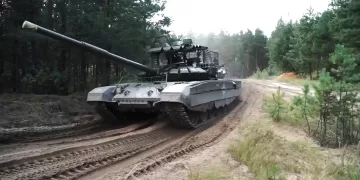




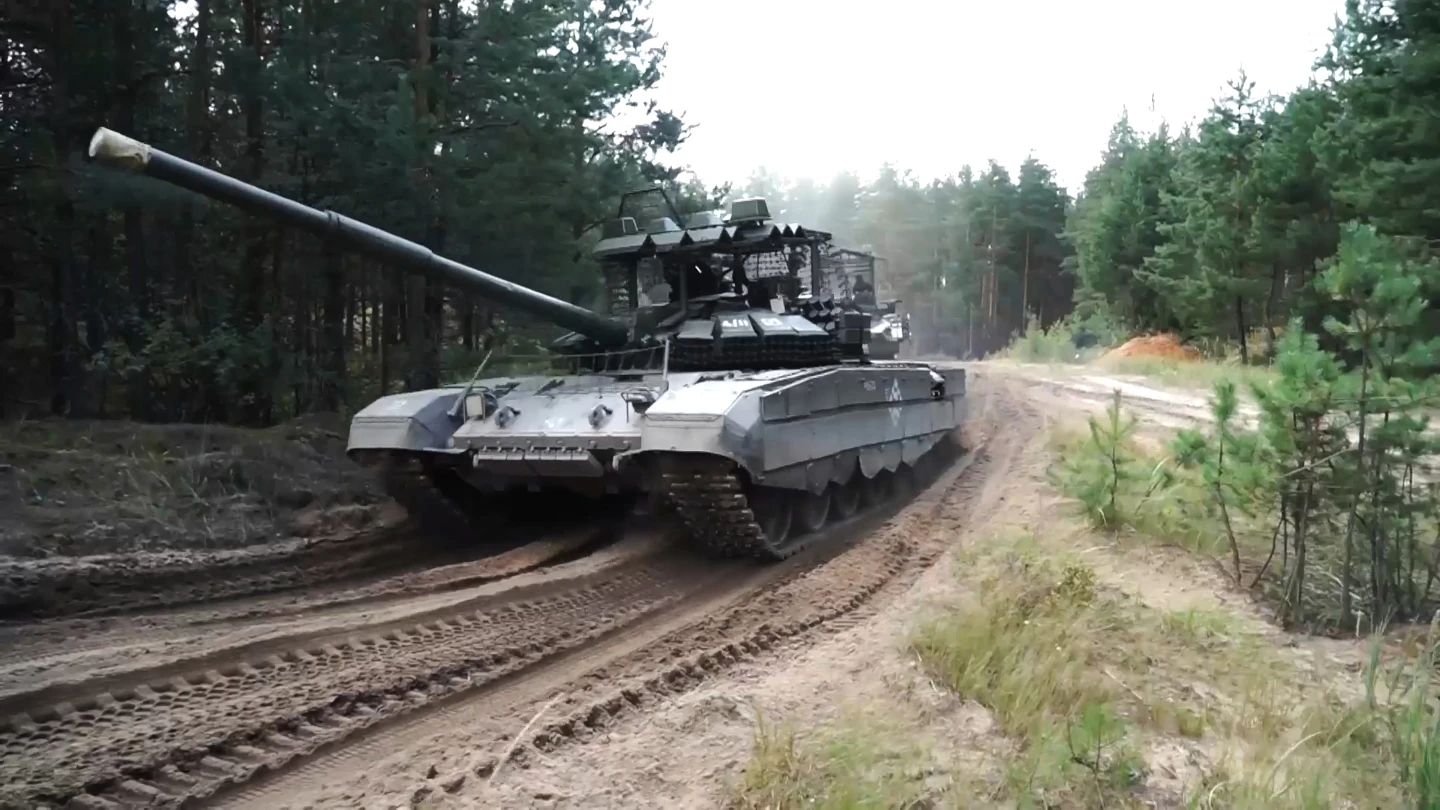
Russia and Belarus on Friday launched a long-planned joint military exercise involving thousands of troops that has raised concern in the West.
The exercises, dubbed “Zapad 2025,” or “West 2025,” are held in Belarus and Russia and will last through Tuesday. They are intended to showcase close defense ties between Moscow and Minsk, as well as Russia’s military might as it fights its 3½-year-old military operation in neighboring Ukraine.
The maneuvers follow an incursion of Russian drones into Polish airspace earlier this week which fueled longstanding fears that the hostilities in Ukraine could trigger a wider conflict. The Russian military said it wasn’t targeting Poland, and Belarus suggested drones veered off course. But European leaders described it as a deliberate provocation, forcing NATO allies to confront a potential threat in its airspace for the first time.
The Russia-Belarus exercises also have drawn worries in Kyiv and its Western allies of Latvia, Lithuania and Poland, which border Belarus. When Russian President Vladimir Putin sent troops rolling into Ukraine on Feb. 24, 2022, many of them crossed from Belarus following joint drills days before the attack.
Belarusian defense officials initially said about 13,000 troops would participate in the exercise that was to take place near its western border. In May, however, its Defense Ministry said the number would be cut nearly in half, and that the main maneuvers would take place deeper inside the country.
In Moscow, the Defense Ministry said Friday that parts of the exercise will be held on Russian territory and on the Baltic and the Barents seas.
Defense Minister Viktor Khrenin said most of the drills will happen around the city of Barysaw, about 74 kilometers (46 miles) northeast of Minsk, although some “small units will carry out practical tasks to repel a hypothetical enemy” in areas close to the border with Poland and Lithuania.
Khrenin noted that the troops will practice “planning the use of” Russian nuclear weapons and the new nuclear-capable Oreshnik intermediate range missiles that Moscow has promised to station in Belarus.
- Latest
- Trending

