










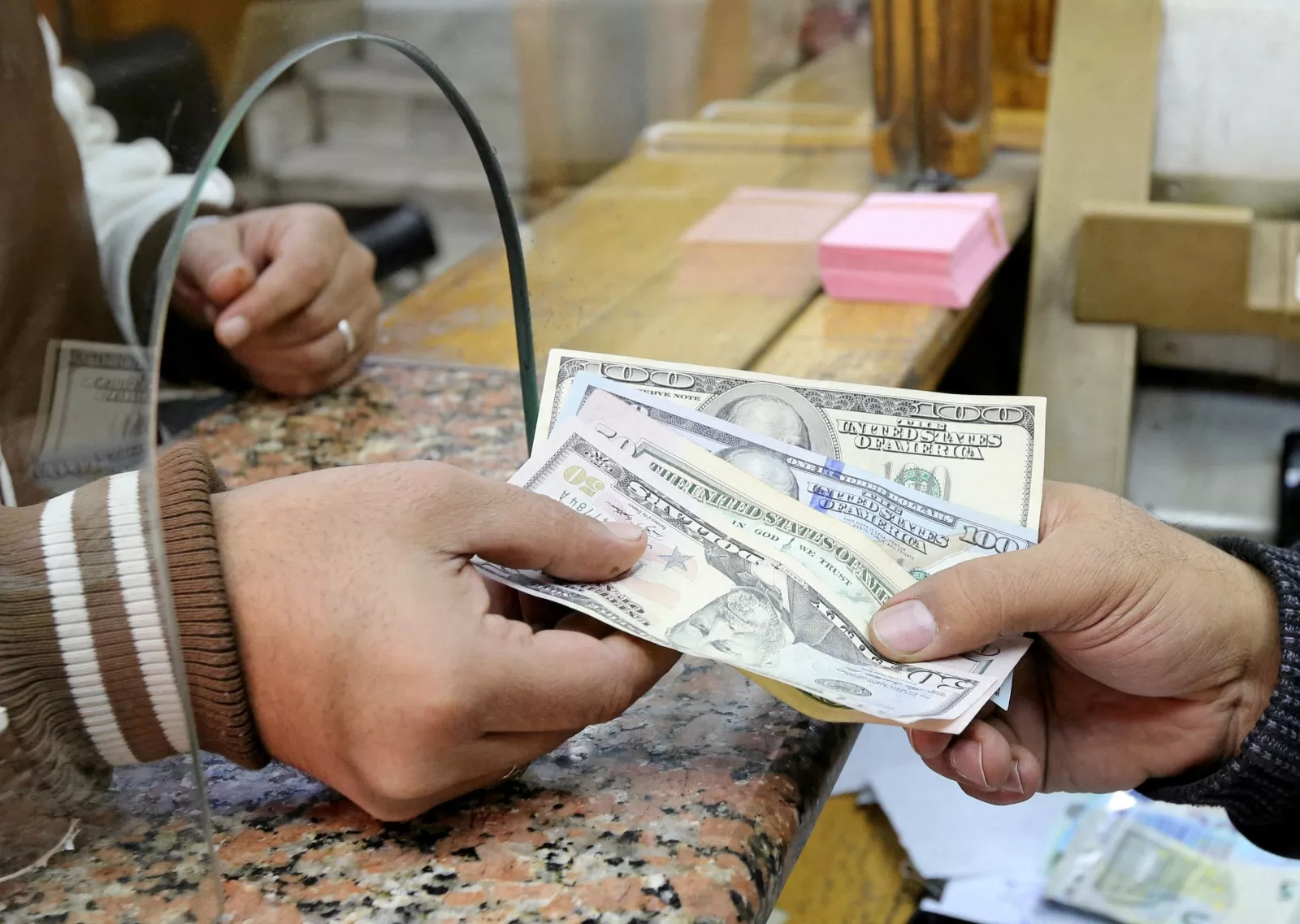
For the third week in a row, the Egyptian pound posted gains against the US dollar, which fell to LE48.25 and LE48.35 for buying and selling, according to data from the Central Bank of Egypt (CBE).
The US currency stood at LE48.48 and LE48.63 for buying and selling, respectively, a week earlier, according to CBE data.
Globally,the dollar was largely steady against the euro and British pound on Friday as traders trimmed wagers on monetary policy easing by the U.S. Federal Reserve following hotter-than-expected wholesale inflation data.
The Japanese yen, meanwhile, firmed broadly following surprising strong economic growth data as export volumes held up well against new U.S. tariffs.
U.S. Treasury Secretary Scott Bessent’s remarks that the Bank of Japan could be “behind the curve” in dealing with the risk of inflation proved to be another tailwind for the yen this week. The yen has gained nearly 0.5% versus a softer U.S. dollar on the week.
The remarks, combined with the upside surprise on GDP, imply that expectations of a BOJ rate hike are likely to solidify and the yen could strengthen further, analysts at DBS said in a note.
Overnight, markets had to contend with data showing U.S. producer prices rose the most in three years in July amid a surge in the costs of goods and services, pointing to a broad pick up in inflationary pressures which analysts say could pose a dilemma for the Fed.
Bets on a 25-basis-point cut by the U.S. central bank in September remain very high but retreated slightly after the producer price figures, according to CME’s FedWatch tool.
A combination of supportive data and remarks from the U.S. treasury secretary had given rise to the possibility of an outsized 50-basis-point rate cut in September, but those expectations were wiped out entirely after Thursday’s data.
The Fed will likely cut rates in September as “not only is it being encouraged by the Trump administration but is also being priced by the markets,” said Ben Benett, APAC investment strategist at Legal and General Investment Management.
Bank of America analysts predict the U.S. dollar will weaken if the Federal Reserve cuts interest rates in 2025 amid rising year-over-year inflation, according to a research note released Wednesday.
The bank notes this combination of Fed rate cuts during rising inflation is historically rare, with the last occurrence between the second half of 2007 and first half of 2008. During that period, rate cuts amid rising inflation suppressed real policy rates for the U.S. and led to a weaker dollar.
Bank of America points out that the year-to-date dollar selloff has its highest correlation with 2007 out of all years since 1973. Historical patterns show dollar depreciation was sharper before Fed cuts, with bearishness continuing for three months after rate reductions.

