



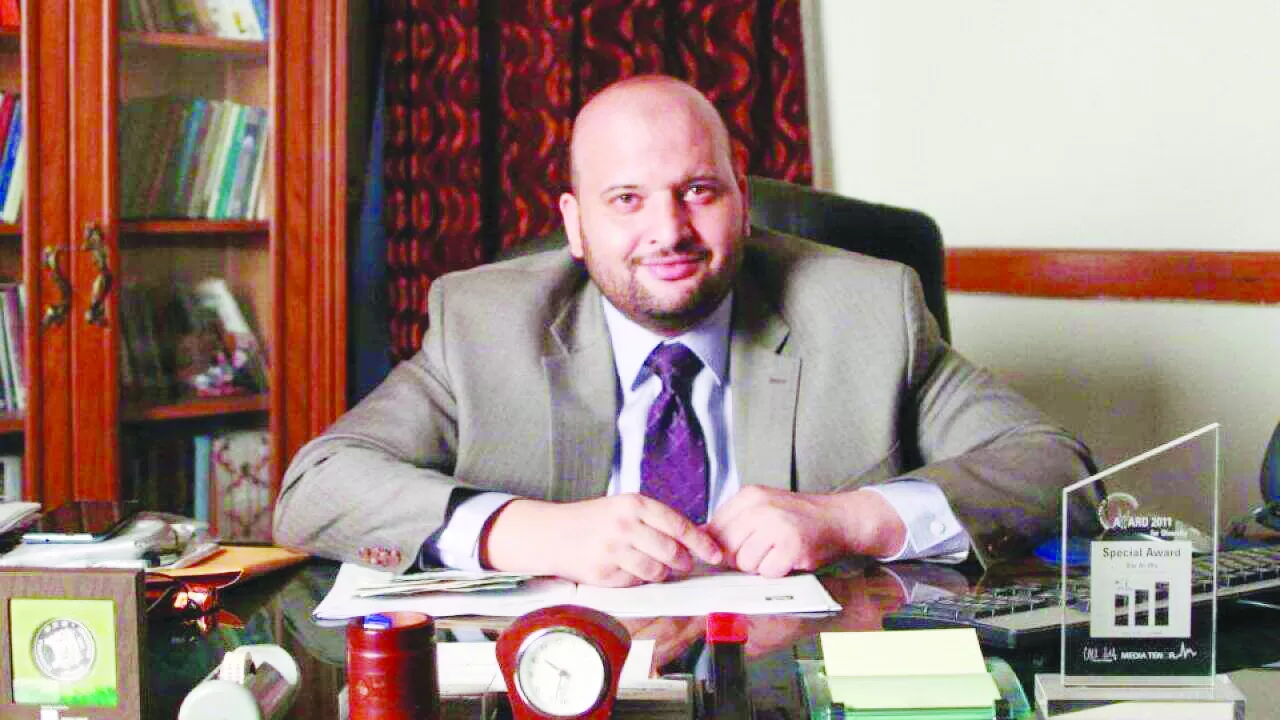
Ibrahim Negm (Senior Advisor to the Grand Mufti of Egypt)
In an age where conflicts often carry a religious undercurrent, a new approach to diplomacy is gaining ground – religious diplomacy. This form of engagement leverages faith leaders and institutions as bridges between nations and communities. Rather than sidelining religion as a source of conflict, religious diplomacy taps into the moral authority of faith to promote reconciliation and peace. For example, pan-Islamic organisations have used their religious legitimacy and moderate teachings to counter radical ideas, facilitate dialogue, mediate conflicts, and initiate peace-building efforts. Such initiatives recognize that trusted religious voices can defuse tensions and build trust where traditional political channels struggle. As religious actors become more involved in issues from climate change to peace-building worldwide , countries like Egypt are exploring how Islamic tools – notably the fatwa (religious edict) – can be employed as instruments of soft power. This emerging “fatwa diplomacy” envisions authoritative fatwas not just as legal opinions for Muslims, but as vehicles for global dialogue and conflict resolution.
A fatwa issued by a respected Mufti can carry significant weight across the Islamic world. When used judiciously, these religious rulings become a form of soft power that transcends borders. Authoritative, moderate fatwas have the power to correct misconceptions about Islam, combat extremist ideologies, and safeguard societies from hate speech. Such fatwas are “key tools” against Islamophobia and extremism. By clearly denouncing violence and terror in the name of religion, moderate fatwas strip extremists of theological cover and reassure non-Muslims that Islam rejects fanaticism.
Importantly, fatwas can also foster interfaith solidarity and diplomatic goodwill. In a recent United Nations conference on protecting religious sites, I underscored how “moderate fatwas” play a critical role in denouncing attacks on worship places and in encouraging believers of different faiths to stand together. In other words, a well-timed fatwa can signal to the world that Muslims are committed to peace and mutual respect. This kind of religious messaging complements traditional diplomacy: it speaks to peoples’ hearts and values, not just to state interests. As a result, governments are increasingly realising that engaging religious edicts and scholars in foreign policy can amplify messages of peace. In many occasions, we have urged the global community to support moderate fatwas as a means to foster peace and true understanding of Islam worldwide. Such fatwas act as moral pronouncements that can align international public opinion with the cause of harmony and conflict resolution.
Egypt has been at the forefront of institutionalising fatwa diplomacy through the General Secretariat for Fatwa Authorities Worldwide. Established in 2015 by Egypt’s Dar al-Ifta, this Secretariat was conceived as a global coalition of fatwa councils and muftis. Its mission was clear: unite reputable Islamic scholars across more than 100 countries to present a moderate, unified voice of Islamic guidance on contemporary issues . “Watching the lamentable impact of extremist fatwas wreak havoc on societies,”, “Egypt’s Dar al-Ifta… announced the establishment of the General Secretariat… to curb the unfettered abuse of the lofty institution of fatwa.” This demonstrates a bold recognition that fatwas had been hijacked by extremists, and a concerted global effort was needed to reclaim them as a force for good.
Under my capacity as Secretary-General, the Secretariat functions as an umbrella for religious advisory bodies worldwide. It helps coordinate fatwa issuance, share best practices, and set scholarly standards so that Muslims from Cairo to Kabul receive consistent, peace-promoting religious guidance. By linking over a hundred fatwa authorities, Egypt has effectively created a faith-based diplomatic corps. These scholars meet at annual conferences and form committees to address issues ranging from terrorism and sectarian strife to public health and technology. The aim, as stated in one interview, is to make the fatwa institutions “a guide and source of information [that is] one of the factors of development and civilisation for humanity.” In essence, religious edicts are being crafted not in isolation, but with a global outlook – appreciating how a fatwa in one country can impact interreligious relations and security in another.
Crucially, the General Secretariat has a strategy to “recover the positive role fatwa can play” in modern life. This involves actively monitoring and countering extremist propaganda. It was the first Islamic institution to systematically bring together worldwide fatwa bodies to push back against violent misinterpretations of Islam. By sharing information on incendiary fatwas and issuing timely rebuttals grounded in authentic Islamic teachings, the network inoculates communities against hate-preachers. Such coordination is unprecedented; it transforms the fatwa from a local juristic tool into a form of transnational religious diplomacy – one that can respond to global challenges with a chorus of credible, peace-oriented voices rather than scattered whispers.
In just a few years, this model of fatwa diplomacy has made tangible strides on the world stage. The General Secretariat’s conferences have become high-profile platforms for what one could call “diplomatic fatwas.” In 2023, for example, Cairo hosted an international fatwa conference with representatives from 100 countries to tackle “the challenges of the third millennium” – from extremism to the fallout of geopolitical conflicts. Notably, that conference placed the Palestinian issue at the top of its agenda, with Egypt’s Grand Mufti and attending scholars taking a united stand against the displacement of Palestinians. This religious stance, made under the auspices of President Abdel Fattah El Sisi, was acknowledged worldwide, reflecting how an Islamic legal perspective can bolster a diplomatic position. In effect, the fatwa summit reinforced Egypt’s political advocacy for Palestinian rights with a moral and religious consensus – amplifying its resonance in Muslim public opinion.
Beyond conferences, the Secretariat has launched innovative initiatives to modernise and globalise fatwa discourse. On the sidelines of its annual gathering, it introduced “IftaPortal” (ifatwa.org) – the first digital platform aggregating fatwas, research, and data from across the Muslim world. By harnessing technology, this portal serves as a real-time diplomatic channel, allowing scholars to collaboratively address emerging issues (such as bioethics or cybercrime) and rapidly disseminate balanced fatwas to quell misinformation. During the Covid-19 pandemic, for instance, Egyptian fatwa authorities, in coordination with others, issued emergency rulings: permitting early payment of alms to support the poor and endorsing public health measures like mosque closures. These decisions – essentially fatwas for the global common good – showcased Islam’s capacity to respond compassionately to crises. They also sent a message to the world that Muslim leaders value science and human life, thereby improving Islam’s image as a cooperative partner in global challenges.
Another achievement of fatwa diplomacy has been its contribution to de-radicalisation and counter-extremism efforts. Egypt’s Dar al-Ifta, through its “Takfiri Fatwa Observatory”, systematically monitors extremist edicts and propaganda online. When a militant group issues a twisted fatwa to justify violence, the Observatory and the Secretariat’s scholars respond with counter-fatwas and public refutations. The Grand Mufti Dr Nazir Ayyad notes that extremists exploiting social media have created a “carnival of religious misinformation”, luring the vulnerable . To combat this, moderate scholars flood the same space with authentic interpretations. “A sound fatwa issued by a competent mufti plays a crucial role in addressing doubts and misconceptions” in this age of rampant online misinformation, Ayyad explains . In other words, fatwa diplomacy works as a hearts-and-minds campaign, undermining extremist narratives not with drones or sanctions, but with persuasive religious arguments. This non-violent tool, rooted in scholarship, has proven effective in promoting peace and human rights while advocating humanitarian principles.
Perhaps the most striking impact of Egypt’s fatwa diplomacy is how it has re-framed the global conversation about Islam. By proactively denouncing terrorism, defending the rights of religious minorities, and engaging in interfaith initiatives, authoritative fatwas have helped reclaim Islam’s image from the hostage of extremists. They demonstrate that Islam’s true teachings align with universal values of peace, mercy, and coexistence. The Grand Mufti has gone so far as to warn that “lies against religion can become weapons of mass destruction” – destroying communities and inciting hatred . Through the General Secretariat, Egyptian-led fatwa diplomacy is disarming those weapons. It provides a compelling counternarrative: Islam as a partner in global peace, not a threat. This shift in narrative is invaluable diplomatic capital for Egypt and the broader Muslim world, easing tensions with the West and fostering unity among Islamic nations themselves.
The successes of the General Secretariat’s approach suggest that fatwa diplomacy holds great promise. Yet, to realise its full potential as an effective tool of religious diplomacy, there are ways to enhance this work further. Here are some recommendations to strengthen the Secretariat’s role as a fatwa diplomacy apparatus:
• Deepen International Partnerships: The Secretariat should expand collaboration with global institutions like the United Nations, the African Union, and the Organisation of Islamic Co-operation. Formal partnerships can integrate religious perspectives into international peace initiatives. For instance, involving the Secretariat’s muftis in UN interfaith programs or conflict mediation efforts would lend moral authority and a grassroots connection to those diplomatic endeavors. Such synergy between policymakers and religious scholars is vital – as experts note, fostering peace requires “collaborative effort between policymakers and religious leaders to advocate narratives of coexistence and peace-building.”
• Enhance Training and Scholarship: To keep fatwas effective and credible, ongoing training for emerging muftis worldwide is key. The Secretariat already provides guidance and curricula for fatwa trainees; this could be scaled up into an international Fatwa Diplomacy Academy. By equipping the next generation of scholars with deep religious knowledge and diplomatic awareness, we ensure that future fatwas are both theologically sound and tuned to contemporary global contexts. Emphasising areas like conflict resolution, human rights, and intercultural communication in mufti training will make their fatwas more impactful on the world stage.
• Leverage Digital Platforms: In the digital era, a fatwa’s reach is determined by how easily people can access it. The Secretariat’s creation of an online fatwa portal is a great start. Going forward, investing in multilingual websites, social media campaigns, and even mobile apps can amplify moderate fatwas globally. A “Digital Fatwa Diplomacy” strategy might include quick-response teams of scholars to address breaking issues (be it a sudden outbreak of violence or a viral misinformation trend) with timely fatwas or statements. By dominating online discourse with factual and humane Islamic viewpoints, the Secretariat can marginalize extremist rhetoric even further.
• Engage in Interfaith Dialogue: Fatwa diplomacy should not operate in an echo chamber of only Muslim voices. The General Secretariat could spearhead more interfaith summits where Islamic jurists and leaders of other religions issue joint statements on peace, mercy, and mutual respect. This would build on precedents like the historic Document on Human Fraternity signed by the Grand Imam of Al-Azhar and the Pope. When authoritative Muslim and Christian (or Jewish, etc.) voices unite to condemn violence or support a just cause, it creates a powerful moral front that transcends politics. Such interfaith fatwa initiatives would enhance global trust and demonstrate Islam’s alignment with other faiths in seeking peace.
• Broaden the Scope to Global Challenges: While security and extremism are urgent priorities, fatwas can also contribute to solving global humanitarian and development challenges. The General Secretariat has wisely begun addressing issues like sustainable development and climate change from an Islamic perspective. Continuing this trend, fatwa councils should issue guidance on caring for the environment, fighting poverty, and promoting education, framed as religious imperatives. This positions fatwas as drivers of positive change in line with the UN’s Sustainable Development Goals. It also shows the world that Muslim authorities are not narrowly focused on jurisprudence, but are partners in tackling humanity’s shared problems. A fatwa declaring environmental protection a religious duty, for example, can mobilise millions of believers for a greener planet – a diplomatic win for global co-operation.
Egypt’s experiment in fatwa diplomacy – exemplified by the General Secretariat for Fatwa Authorities Worldwide – illustrates the untapped potential of religious soft power. Authoritative fatwas, when coordinated and broadcast internationally, can do more than guide personal piety; they can shape narratives, heal rifts, and influence the course of events in a constructive way. As a tool of religious diplomacy, the fatwa has shown it can denounce terrorism, support justice, and encourage solidarity far beyond Egypt’s borders. It leverages one of the Muslim world’s greatest assets – its scholarly moral authority – to build bridges in a time of dangerous divides.
Looking ahead, sustaining this momentum will require commitment and creativity. Fatwa diplomacy should remain adaptive, embracing modern communication and engaging with all who seek peace. In a world rife with conflict and misunderstanding, Egypt’s model of fatwa-based engagement offers a beacon of hope. It reminds us that in the dialogue of civilisations, wisdom and compassion rooted in faith can be just as powerful as political treaties. By enhancing and internationalising the work of institutions like the General Secretariat, authoritative fatwas can continue to rise as effective ambassadors of peace – guiding not only Muslim hearts, but also helping to steer the global community toward greater understanding and harmony.

