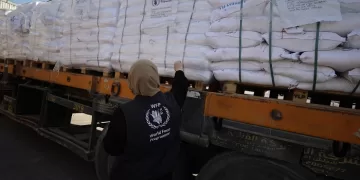









El-ARISH, Egypt – North Sinai Governor Khaled Megahed confirmed on Friday that humanitarian aid was delivered to Palestinians in the Gaza Strip via the Karm Abu Salem crossing on Wednesday as a result of Egypt’s sustained efforts.
In a press statement, Megahed explained that the aid consisted of food supplies, flour, and essential medical items intended to help save lives in Gaza, where residents are enduring dire humanitarian conditions and acute shortages of basic necessities.
He clarified that the Rafah border crossing remains open on the Egyptian side and has not been closed, while the Israeli occupation forces continue to keep the crossing shut on the Palestinian side, preventing the entry of humanitarian and relief aid into the Gaza Strip.
The Governor also noted that Egypt maintains a substantial network of strategically located warehouses near Rafah, stocked with humanitarian aid, in addition to hundreds of trucks ready to deliver assistance into the Gaza Strip.
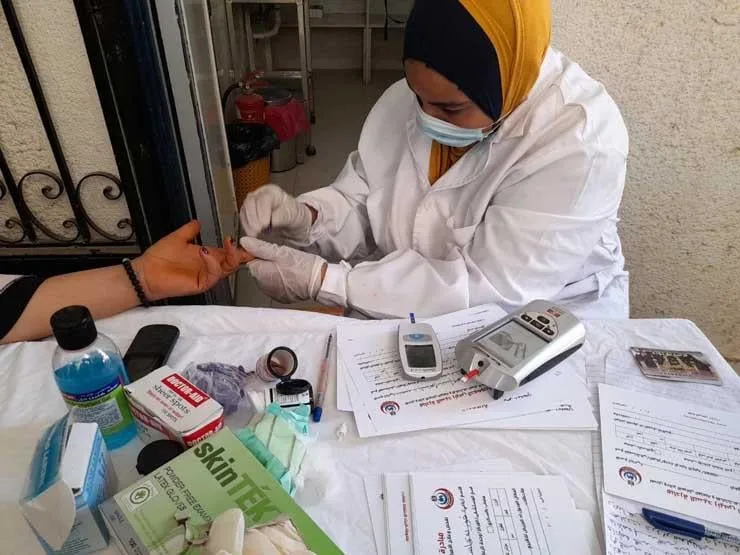
He added that North Sinai is fully prepared to receive additional aid shipments by air, land, or sea, and that all hospitals in the governorate have been placed on high alert to receive and treat injured Palestinians, should they arrive.
He further noted that 166 aid trucks entered the Gaza Strip through the Karm Abu Salem crossing on Wednesday and Thursday.
He stressed that Egypt continues to intensify its coordination with international partners to facilitate the delivery of additional humanitarian assistance.
Since March 2, Israeli occupation forces have maintained a complete closure of all crossings into Gaza, following the collapse of the initial ceasefire agreement and the failure to reach a permanent truce.
The truce was undermined by an Israeli airstrike on March 18, which was followed by renewed ground incursions in various parts of the Gaza Strip.
In addition to closing the crossings, Israel has also blocked the entry of aid trucks and heavy machinery necessary for rubble removal and reconstruction efforts.
Although limited aid deliveries resumed in May under a new mechanism overseen by Israeli authorities and a US-based security company, the United Nations Relief and Works Agency (UNRWA) has rejected the arrangement, citing its failure to comply with internationally recognized protocols.

