





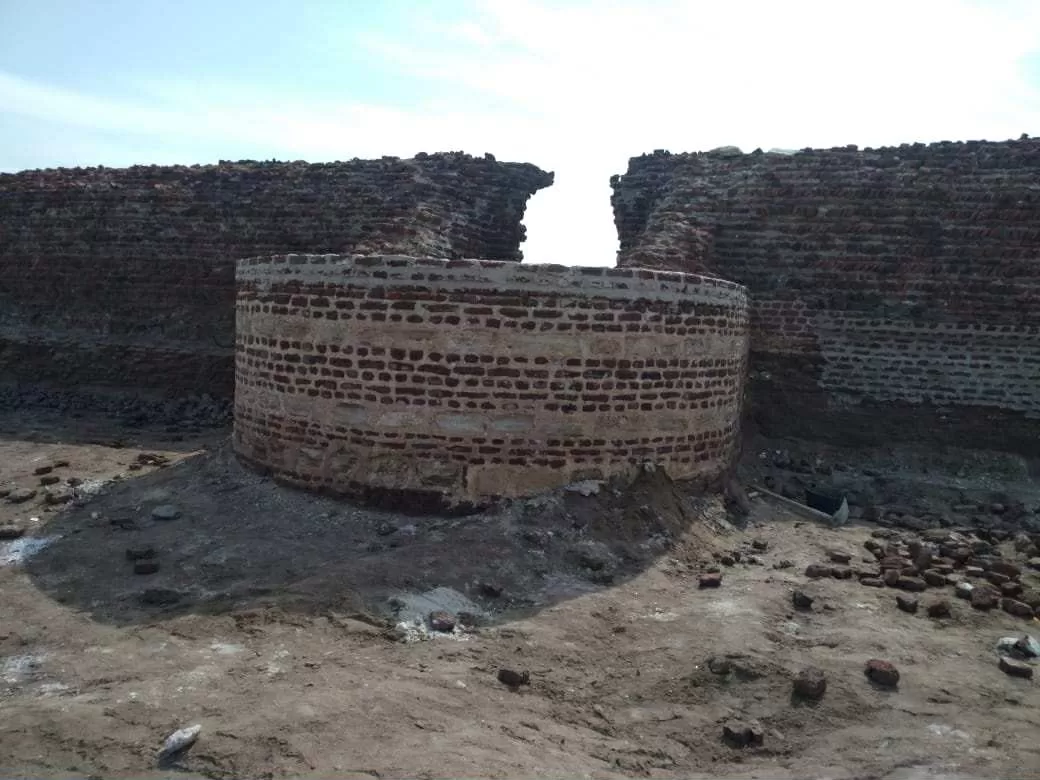
The Ministry of Tourism and Antiquities has announced the successful completion of restoration and conservation works on several important archaeological sites in the historic city of Pelusium (al-Farama), located in North Sinai.
This initiative was carried out as part of Egypt’s Sinai Development Project, reflecting national efforts to preserve cultural heritage while supporting the sustainable growth of the region.
Minister of Tourism and Antiquities, Sherif Fathy, stressed that the project aligns with Egypt’s vision for developing archaeological sites across Sinai. He explained that these efforts not only elevate Sinai’s historical and touristic significance but also work to safeguard the country’s rich civilization for generations to come.
Dr. Mohamed Ismail Khaled, Secretary-General of the Supreme Council of Antiquities, highlighted the historical importance of Pelusium, describing it as a distinguished archaeological and historical location that played a crucial role throughout different periods of Egyptian history.
He emphasised that the restoration project helps protect the site’s unique architectural elements, showcases its archaeological and historical value, and integrates it into broader sustainable development plans for Sinai.
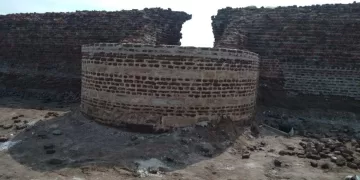
Major interventions included strengthening important structures within the city—such as the walls, towers, and gates of Pelusium’s ancient fortress, which covers an area of approximately 80,000 square meters. The works also encompassed remains like the Roman-era Sheikh’s Building, the Southern Roman Bath, and the rare rotunda-style Western Church, a unique example of fifth-century Christian architecture. The prominent Southern Church, one of the city’s most significant ancient churches, was also carefully conserved.
The restoration included the meticulous preservation of inscribed lintels discovered at the Temple of Zeus Kasios, as part of an integrated plan to retain the artistic and architectural features of the site.
The project adhered to the most advanced scientific standards. Extensive tests and detailed analyses of original building materials were conducted to ensure the use of compatible materials, carefully maintaining the archaeological character and architectural authenticity of each feature.