



The 12-day war: Who gained, who lost, and what comes next?
How Israel’s Iran strikes reshape Middle East alliances
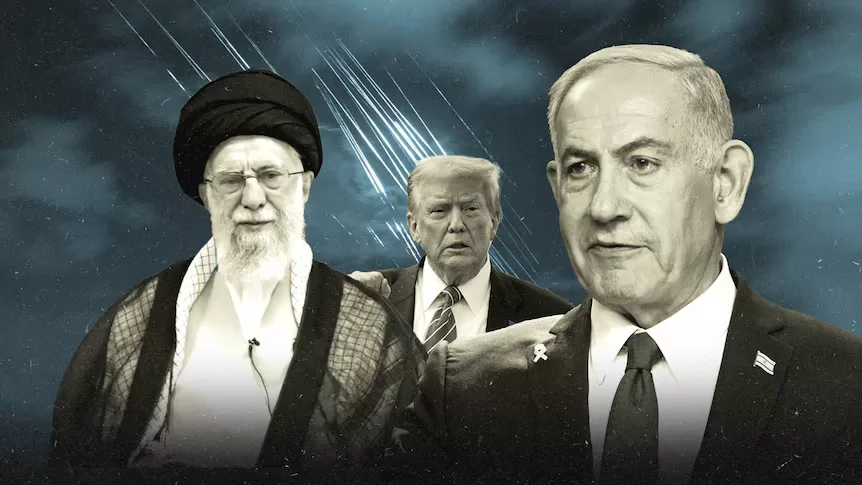
The Middle East has narrowly avoided what could have become a devastating regional war, at least for now. The recent 12-day confrontation between Israel and Iran, punctuated by a fragile ceasefire, has left the Middle East grappling with a complex set of questions: Is the conflict truly over? Who emerged with gains? And what are the long-term implications for regional stability, particularly regarding Israel’s future actions and its relationships with Gulf allies?
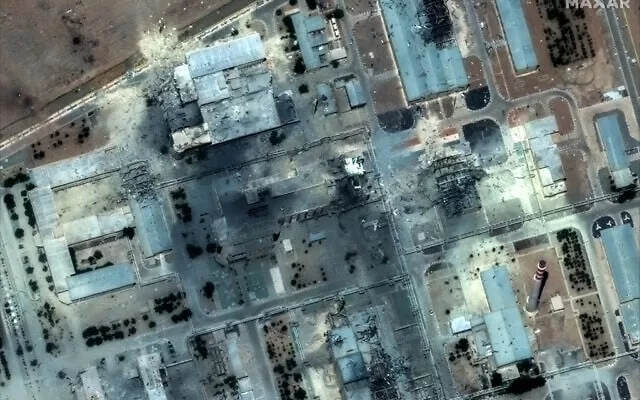
For nearly two weeks, Israel and Iran exchanged blows from Israeli strikes on Iran’s nuclear facilities at Natanz, Fordow, and Isfahan to Iranian missile retaliation against US bases in the Gulf, notably Al Udeid airbase in Qatar.
Yet, the ceasefire announced by Trump on June 24 after direct US military involvement on Israel’s side is far from a durable peace.
Within hours of the agreement, Israel struck again, targeting Iranian radar installations near Tehran in response to what it claimed were ballistic missiles launched into Israeli airspace. Iran denied responsibility, and questions remain about who was behind the incident.
While the ceasefire resumed under US pressure, the underlying tensions over Iran’s nuclear ambitions, Israel’s security concerns, and regional power dynamics remain unresolved.
Who gained what?
Israel achieved several milestones in this brief but dangerous confrontation. It crossed a historic threshold by targeting Iranian nuclear infrastructure directly, something Israeli leaders had threatened for years, but never executed. It also demonstrated its operational reach, successfully conducting strikes deep inside Iran’s territory.
In doing so, Israel reasserted its deterrence capability and, perhaps most significantly, drew the US into active military engagement, the first such direct involvement on Israel’s side in decades of Middle Eastern conflicts.
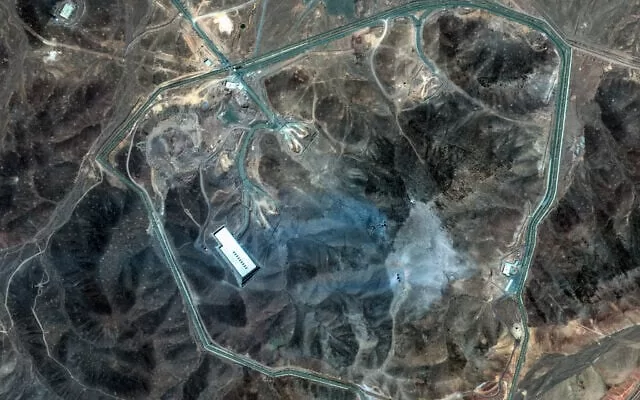
For Iranian leaders, the narrative is more complex. Despite damage to nuclear sites, Tehran insists that its programme remains intact, vowing recovery and continuity. Yet, independent verification is pending, with international agencies unable to fully assess the extent of the destruction.
Meanwhile, the whereabouts of Iran’s highly enriched uranium stockpile, estimated at 400 kilograms, remains unclear, fuelling speculation and international unease.
Fractured alliances
Beyond the immediate military confrontation, Israel’s assault on Iran has triggered significant diplomatic consequences, particularly among Gulf Arab nations.
Long portrayed as the region’s frontline against Iranian aggression, Israel is now increasingly viewed by some Arab states as a destabilising force. Gulf officials, speaking anonymously, have described Israeli Prime Minister Benjamin Netanyahu’s military adventurism as “reckless” and “beyond restraint”.
This marks a notable shift. The normalisation agreements between Israel and several Arab nations were predicated on containing Iran, enhancing regional security, and integrating Israel as a strategic partner.
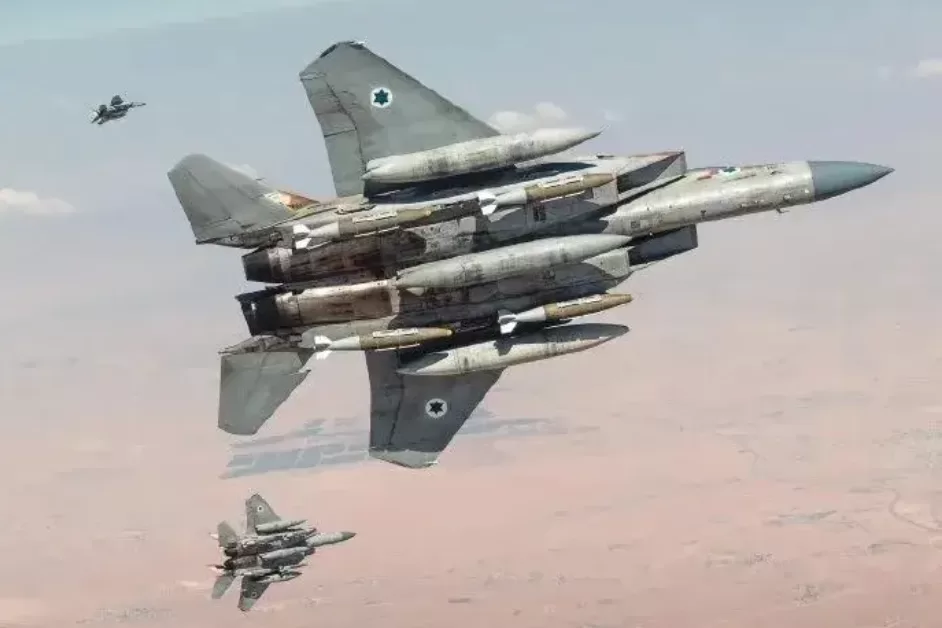
Today, those same accords face unprecedented strain. Gulf states that once hoped Israel would act with calculated precision now fear its expanding military dominance could fuel further instability.
Mohammed Baharoon, a leading Emirati policy expert, warned that Israel’s capacity and apparent willingness to strike across borders raises uncomfortable questions.
“What stops Israel from targeting Qatar’s energy infrastructure or other Gulf interests if tensions escalate?” he asked.
Such concerns are compounded by Israel’s growing military footprint, its strikes in Gaza, Syria, Lebanon, and now Iran, reinforcing perceptions that Netanyahu is reshaping the region through force rather than diplomacy.
At a crossroads
The irony is hard to miss. For years, Gulf nations privately urged pre-emptive strikes to curb Iran’s nuclear threat. But with Israel acting unilaterally, and the US reluctantly drawn into the fray, many regional leaders are re-evaluating whether unchecked Israeli power serves their long-term interests.
Saudi Arabia’s condemnation of Israel’s “blatant aggression” against Iran reflects this duality: public disapproval masking private relief that Iran’s capabilities may have been degraded.
Yet, the risks remain profound. The fragile ceasefire could collapse, reigniting conflict with unpredictable consequences. Israel’s actions, while tactically effective, may provoke broader instability, jeopardising economic ambitions like Saudi Arabia’s Vision 2030 and Gulf efforts to attract global investment.
Moreover, the possibility of future Israeli strikes cannot be dismissed. Netanyahu has made clear that Israel reserves the right to act against perceived existential threats, and Iran’s nuclear programme remains a prime target.
Iran, for its part, appears defiant. The Iranian parliament has advanced legislation to suspend co-operation with international nuclear inspectors, signalling Tehran’s intent to pursue its nuclear agenda, regardless of external pressure.
What comes after Iran?
The immediate danger may have receded, but the region is entering a volatile phase where military power, political calculation and strategic alliances are in flux.
Europe may attempt to revive diplomatic channels, yet Israel’s scepticism of renewed nuclear agreements and Iran’s mistrust following the US withdrawal from previous deals leave little room for optimism.
For Egypt and other regional actors, these developments underscore the urgent need for balanced diplomacy, de-escalation, and a commitment to regional stability. The alternative a cycle of conflict driven by military escalation and political miscalculation threatens to plunge the Middle East into deeper chaos.
The 12-day war may be over, but the questions it leaves behind about Israel’s next moves, Iran’s nuclear ambitions, and the future of fragile regional alliances ensure that the battle for influence, security, and stability in the Middle East is far from settled.