



Air Traffic Controllers keep Egypt’s skies safe under pressure
By Mohamed Attia
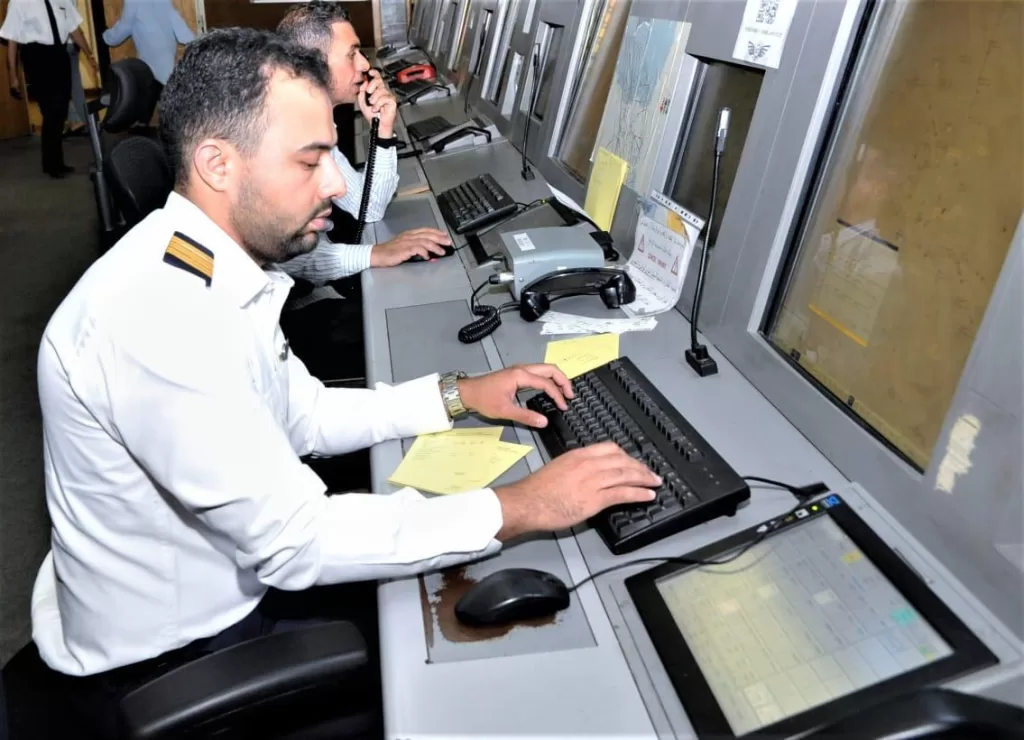
Egyptian Air Traffic Control Officers (ATCOs) continue to demonstrate exceptional expertise in crisis management, overseeing an average of 1,500 aircraft daily. Their steadfast commitment to safety and professionalism has made them a vital pillar of Egypt’s air transport sector.
Recent geopolitical developments have further highlighted the critical role of Egyptian ATCOs. The diversion of numerous aircraft into Egyptian airspace, following closures in neighbouring countries, has showcased their outstanding ability to manage increased air traffic with the highest level of professionalism. Their performance during this challenging period has reinforced their reputation as the unsung heroes behind the radar, ensuring aviation safety at the heart of operations.
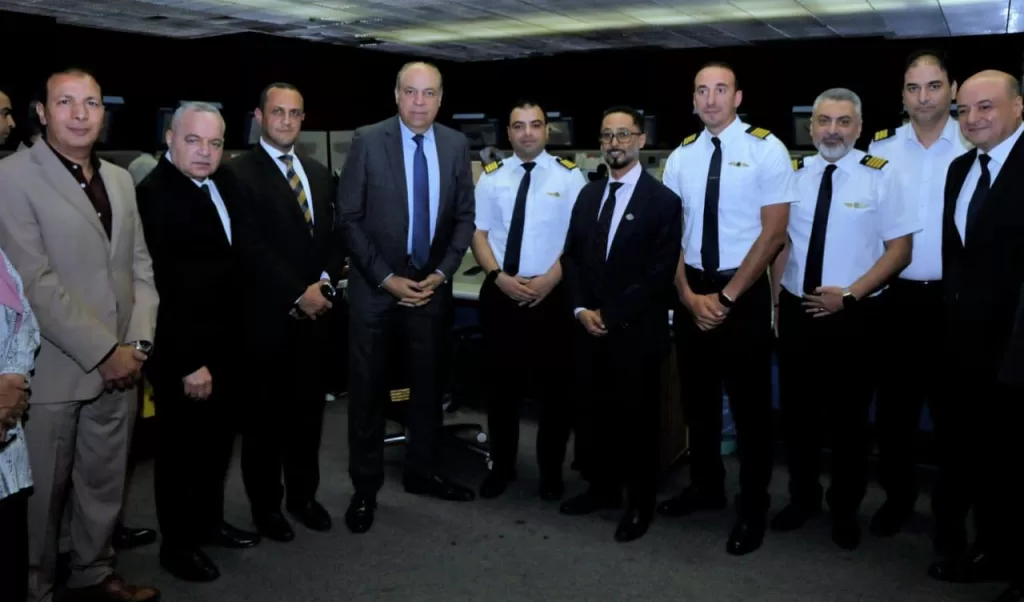
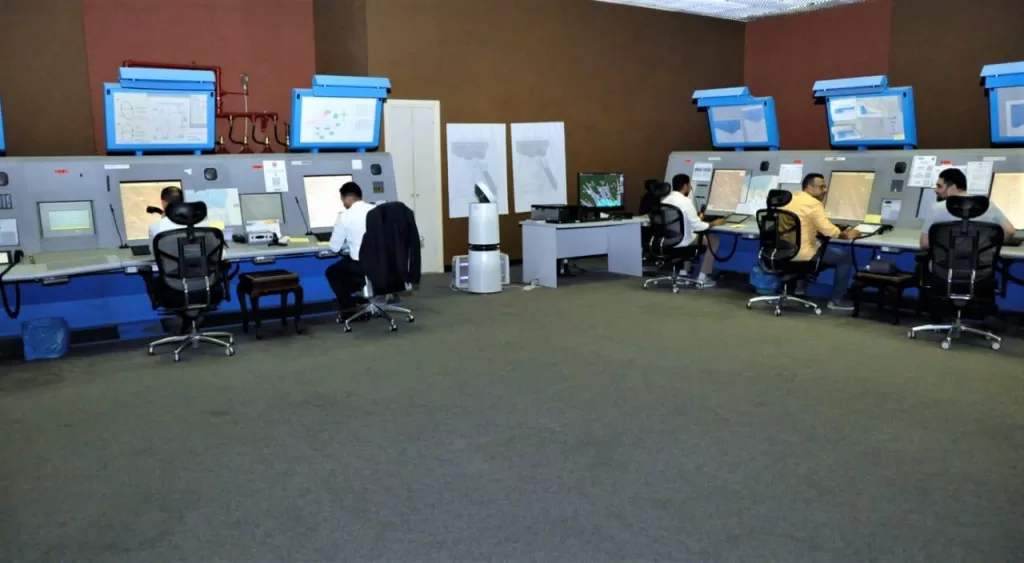
Minister of Civil Aviation, Sameh El-Hefny, recently praised the remarkable competence of Egypt’s air traffic controllers during a field visit to the Cairo Air Navigation Centre, part of the National Navigation Services Company. He was accompanied by Mohamed Abu Bakr Farea, Regional Director of the International Civil Aviation Organisation (ICAO) for the Middle East.
El-Hefny commended the dedication of all personnel responsible for airspace safety, especially during the current surge in air traffic. “Egypt’s air traffic controllers have displayed outstanding competence and character, making us all proud,” said El-Hefny. “They are a cornerstone of aviation safety in Egypt.”

The Minister emphasised that this exceptional performance reflects the collective efforts of the entire air navigation system, including air traffic controllers, flight information teams, systems engineering, operations, maintenance, and communications personnel. He reaffirmed their critical responsibility in managing Egypt’s skies, stressing that air traffic controllers remain at the heart of operations, safeguarding the skies from behind their radars.
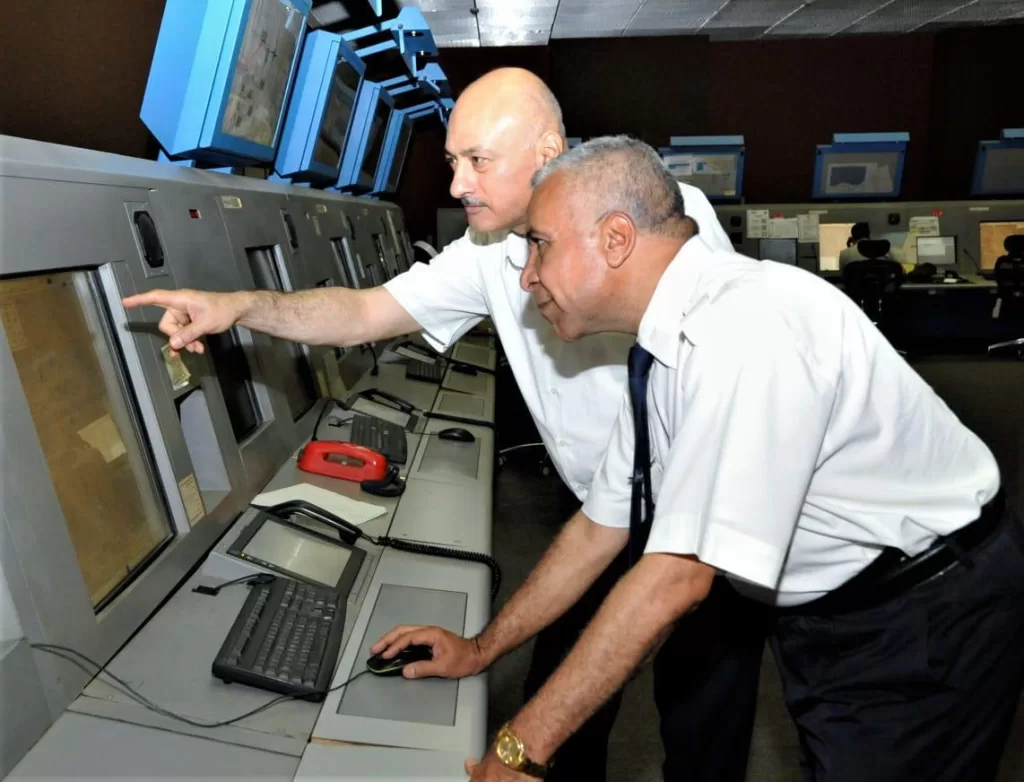
ICAO Regional Director Mohamed Abu Bakr Farea expressed deep appreciation for the essential role Egyptian air traffic controllers play in both regional and international air navigation. He praised their professionalism and highlighted Egypt’s response to the current crisis as a model for effective operational planning and rapid crisis management.
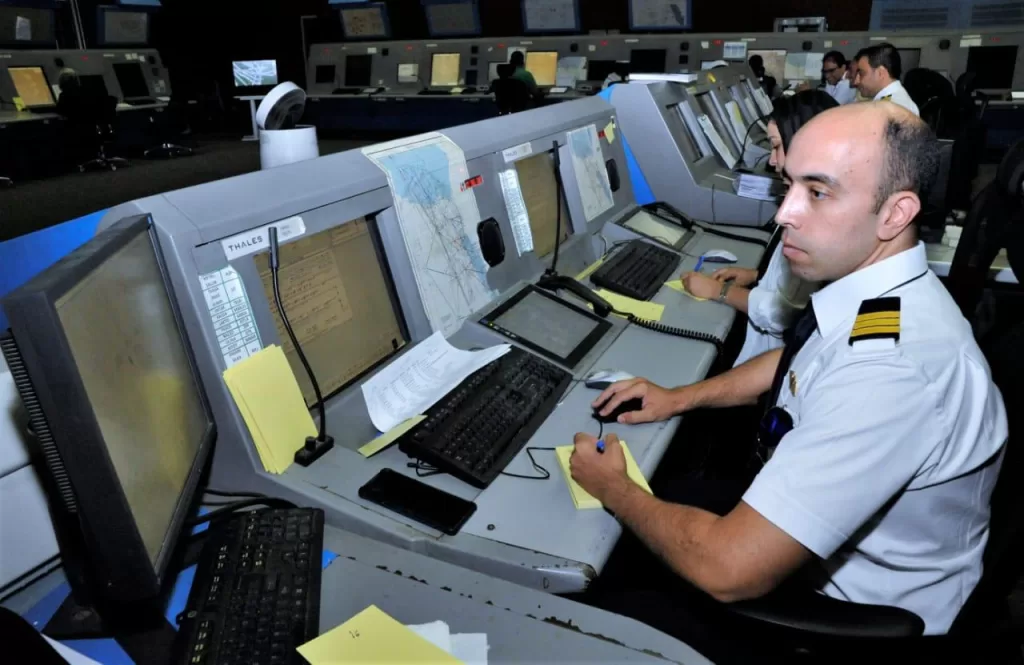
“What we witnessed at the Cairo Air Navigation Centre reflects significant advancements in infrastructure and the adoption of cutting-edge technologies, showcasing Egypt’s technical and organizational achievements in this field,” Farea stated.
He noted that Egyptian personnel have successfully handled unprecedented air traffic volumes with exceptional efficiency and coordination, reflecting their professionalism, team spirit, and strict adherence to international safety standards.