



The United States has ordered the departure of non-essential diplomatic staff and their families from several embassies in the Middle East, citing growing tensions with Iran and the broader risk of regional conflict.
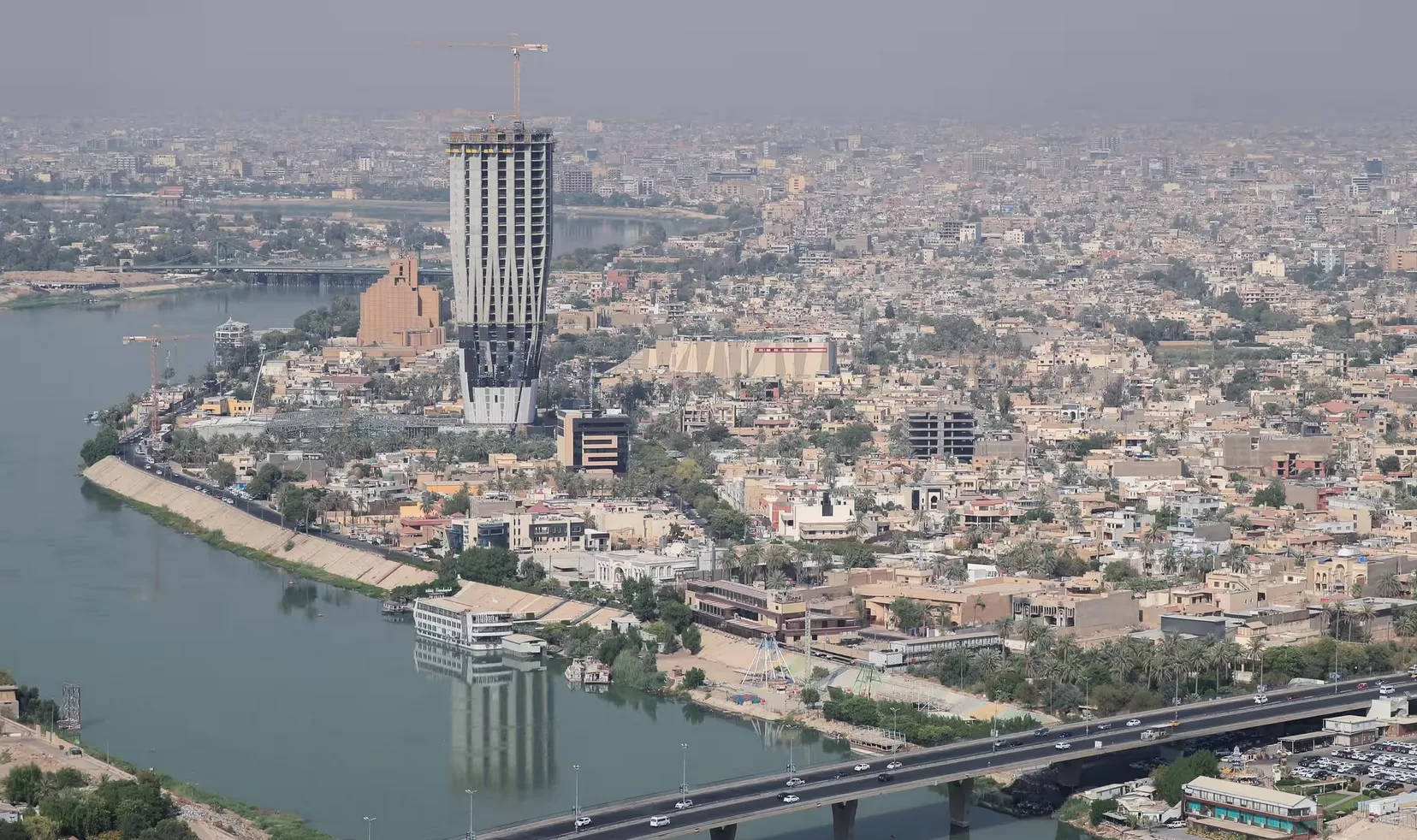
In a statement issued Wednesday, the U.S. State Department directed all non-essential personnel to leave the U.S. Embassy in Baghdad, Iraq. The move, it said, was part of Washington’s “commitment to keeping Americans safe, both at home and abroad.” The Baghdad mission has been operating under limited staffing for months, and officials noted that the new order would affect a relatively small number of personnel.
The U.S. has also authorized the voluntary departure of non-essential staff and dependents from its embassies in Bahrain and Kuwait. Additionally, U.S. Defense Secretary Pete Hegseth approved the voluntary departure of military families stationed across the region, according to a statement from U.S. Central Command. The command said it is “closely monitoring” the developing situation.
The partial evacuations come amid escalating threats between Washington and Tehran, and a deteriorating diplomatic climate that has been exacerbated by the ongoing conflict in Gaza. After 18 months of war between Israel and Hamas, fears have grown that a broader regional conflict could erupt, potentially pitting the U.S. and Israel against Iran and its allied militias.
Earlier on Wednesday, Britain’s maritime security agency warned of a potential increase in military activity in the region’s critical shipping lanes. Vessels navigating the Gulf, Gulf of Oman, and Strait of Hormuz — all adjacent to Iranian territory — were urged to exercise extreme caution.
The U.K. Foreign Office said it is “monitoring the situation closely” and would keep its own diplomatic presence in Iraq under constant review in response to Washington’s actions.
Meanwhile, diplomatic efforts to revive a nuclear agreement between the U.S. and Iran appear to have stalled. The latest round of talks, set to begin in the coming days, follows Iran’s rejection of a recent U.S. proposal. Tehran is expected to submit a counter-offer amid rising military threats and rhetoric.
Iranian Defense Minister Aziz Nasirzadeh issued a stark warning on Wednesday, saying Iran has identified all U.S. bases in the region and would not hesitate to strike them if talks collapse. “All its bases are within our reach. We have access to them, and without hesitation we will target all of them in the host countries,” he said.
“God willing, things won’t reach that point, and the talks will succeed,” Nasirzadeh added. “But the Americans will suffer more losses if it comes to conflict.”
At the heart of the dispute is Iran’s uranium enrichment program. Tehran insists that its enrichment activities are a sovereign right and “non-negotiable,” while Washington has repeatedly described Iran’s pursuit of weapons-grade uranium as a “red line.”
Former President Donald Trump, who has taken a leading role in U.S. diplomatic efforts, recently signaled diminished optimism about reaching a nuclear agreement. Speaking on the Pod Force One podcast, recorded Monday and published Wednesday, Trump said: “I did think so, and I’m getting more and more – less confident about it. They seem to be delaying and I think that’s a shame.”
“I am less confident now than I would have been a couple of months ago,” he added. “Maybe they don’t wanna make a deal… and maybe they do. There is nothing final.”
Despite his pessimism, Trump reaffirmed that the U.S. would not permit Iran to develop nuclear weapons. “It would be nicer to do it without warfare, without people dying,” he said.
Later Wednesday, Trump told reporters that U.S. personnel were being relocated due to the growing threat in the region. He reiterated, “Iran can’t have a nuclear weapon.”
Meanwhile, the Pentagon has postponed a scheduled Thursday testimony by Gen. Erik Kurilla, the top U.S. military commander in the Middle East, before the Senate Armed Services Committee. No official reason was given for the delay.
As the situation develops, U.S. officials stress that diplomatic channels remain open, but military preparations and precautionary evacuations indicate Washington is bracing for the possibility of wider conflict in an already volatile region.

