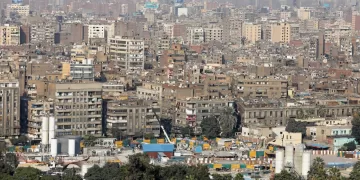





Egypt’s residential market is expected to remain resilient, driven by robust local and foreign demand and improving economic conditions, as reported by real estate research agency JLL.
The agency said rising living costs have shifted preferences towards smaller, budget-friendly, finished units within mixed-use developments offering “live-work-play” environments.
“Developers who adapt to these changing demands by phasing out larger master plans and replacing shell-and-core villas with fitted townhouses and apartments are likely to outperform. This flexibility in product offerings, coupled with amenity-rich developments and ample open spaces, will be key to success in Cairo’s evolving residential landscape,” read a JLL report, a copy of which was made available to The Egyptian Gazette.
Cairo’s residential market kicked off 2025 with strong momentum, witnessing the delivery of approximately 7,500 units in the first quarter. This additional stock brought the city’s total residential stock to about 301,100 units, reflecting the sector’s continued growth and development.
“The coming nine months are expected to see the completion of an additional 28,500 new units, primarily concentrated in East Greater Cairo,” it said, noting that Cairo’s residential market performance experienced continued growth in Q1 2025, albeit at a more moderate pace compared to the previous year’s triple-digit increases.
“This deceleration reflected stabilising currency exchange rates and a significant drop in inflation to 13.6 per cent in the year to March 2025. Sales prices in 6th October and New Cairo rose by an average of 89.4per cent year-on-year. Similarly, during the same period, rental rates in these areas increased annually by 90.2per cent and 88.2per cent, respectively,” it said.
An emerging trend reveals prospective home buyers opting to rent in upscale neighbourhoods, in order elevate their living standards, where such areas are often beyond their purchasing power.
This shift is incentivising property owners to lease rather than dispose of their residential units. Consequently, the rental market has gained appeal for both tenants pursuing better living standards and landlords aiming to maximise returns on their real estate investments.
Meanwhile, the country’s office sector’s outlook remains optimistic, particularly for flexible workspaces. Unlike traditional offices, which are primarily located in New Cairo, these versatile spaces are gaining traction across the city, including central areas, as they attract a diverse clientele, ranging from artists and musicians to startups, drawn by their affordability and adaptability.
As businesses increasingly seek dynamic work environments, the coworking industry is set for continued growth, playing a vital role in meeting Cairo’s evolving business needs.

