




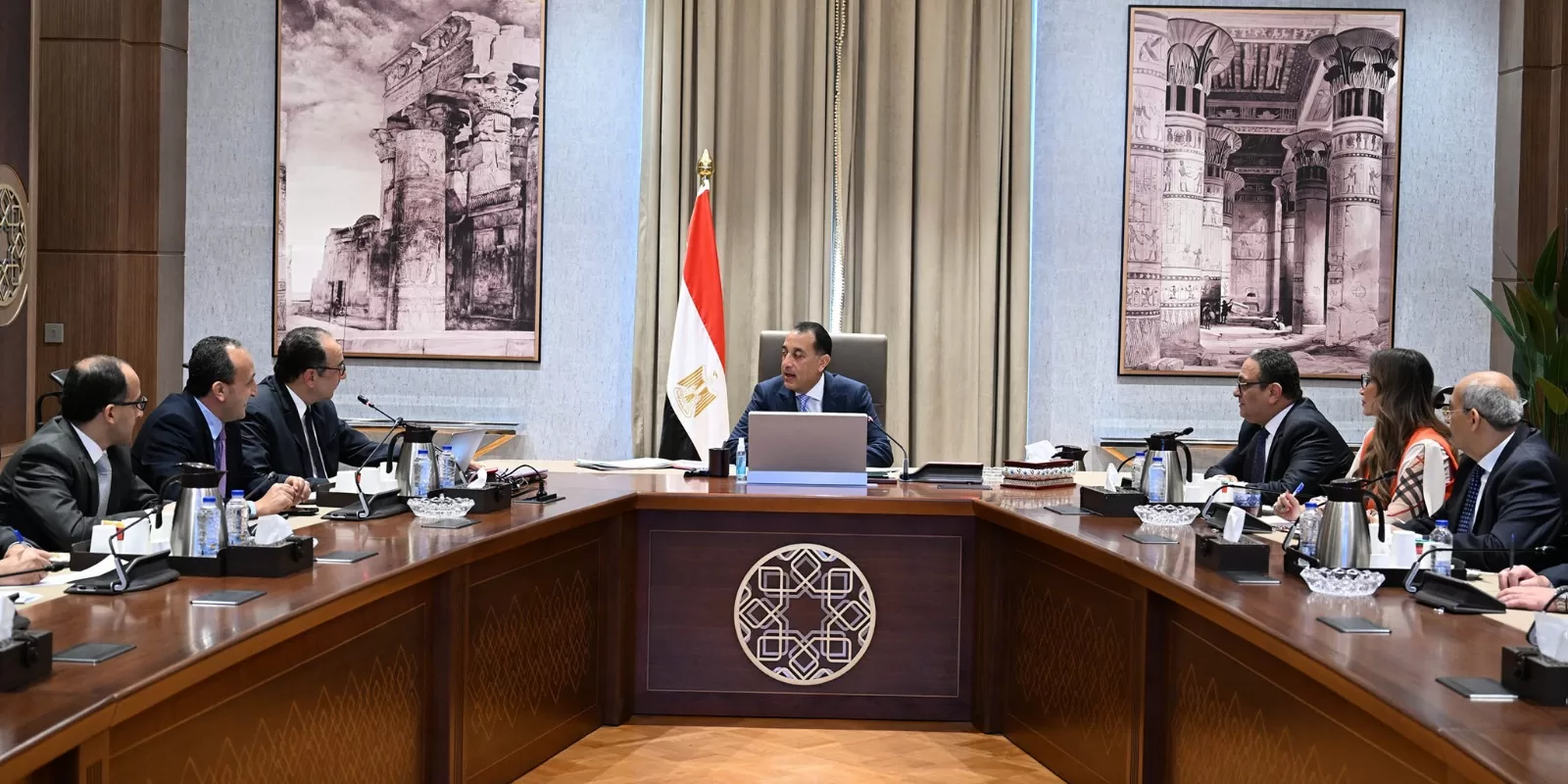
Egypt’s Prime Minister Dr Moustafa Madbouli reaffirmed the government’s commitment to enhancing the performance of state-owned companies, emphasising the importance of governance, competitiveness, and strategic partnerships with the private sector.
The prime minister’s remarks came during his meeting with Minister of Public Business Sector Mohamed Shimi, to review the ministry’s ongoing initiatives and reform agenda.
Madbouli underscored the need to strengthen frameworks of governance for public assets, maximise returns on state investments, and elevate the competitiveness of public enterprises. He also highlighted the importance of upskilling the workforce as a cornerstone of sustainable development, all within the framework of Egypt’s Vision 2030.
He further stressed the necessity of expanding collaboration with the private sector by offering selected projects for joint operation and investment. This approach, he noted, would enhance operational efficiency, boost returns, and safeguard public investments.
Minister Shimi presented, during the meeting, the ministry’s strategic roadmap for 2024–2027, built on three key pillars: Egypt’s Vision 2030, the State Ownership Policy Document, and the Government Action Programme. He said that the ministry’s overarching goal is to implement comprehensive and structured reforms across public sector companies to improve performance, ensure long-term sustainability, and enhance their contribution to the national economy.
Shimi reaffirmed the ministry’s vision of optimising returns on state investments by reinforcing the global and domestic competitiveness of public enterprises. He revealed that 97 strategic projects are currently in progress across several key sectors.
Focusing on the textile sector, the minister provided an update on the national project to restructure and modernise Egypt’s cotton, textile, and garment industries. He outlined efforts to secure essential raw materials, including long- and short-staple cotton and polyester, as part of a broader initiative to revitalise this strategic sector.
Turning to the metallurgical industries, Shimi highlighted the successful revival of Al-Nasr Automotive Company, which has resumed production and supply of buses that meet international standards. The company has also upgraded its infrastructure and production lines for both commercial and passenger vehicles. Future plans include the rollout of electric buses and minibuses, battery assembly operations, and further modernisation of passenger car production facilities.
On the investment front, Minister Shimi noted that significant opportunities are available across multiple sectors: 16 in metallurgy and mining, 11 in tourism, 7 in textiles, 5 each in pharmaceuticals, real estate development, and chemicals, and 3 in land reclamation. He also mentioned several agreements and memoranda of understanding signed with local and international private sector partners in several areas including aluminum, fertilisers, dietary supplements, biological products, electric vehicles, and tires.
Regarding the government’s IPO programme aligned with the State Ownership Policy Document, the minister confirmed that preparations are underway to offer stakes in various companies, with additional listings under evaluation and review.

